Jörn Dreier
3 years ago
Excellent antique dealer!
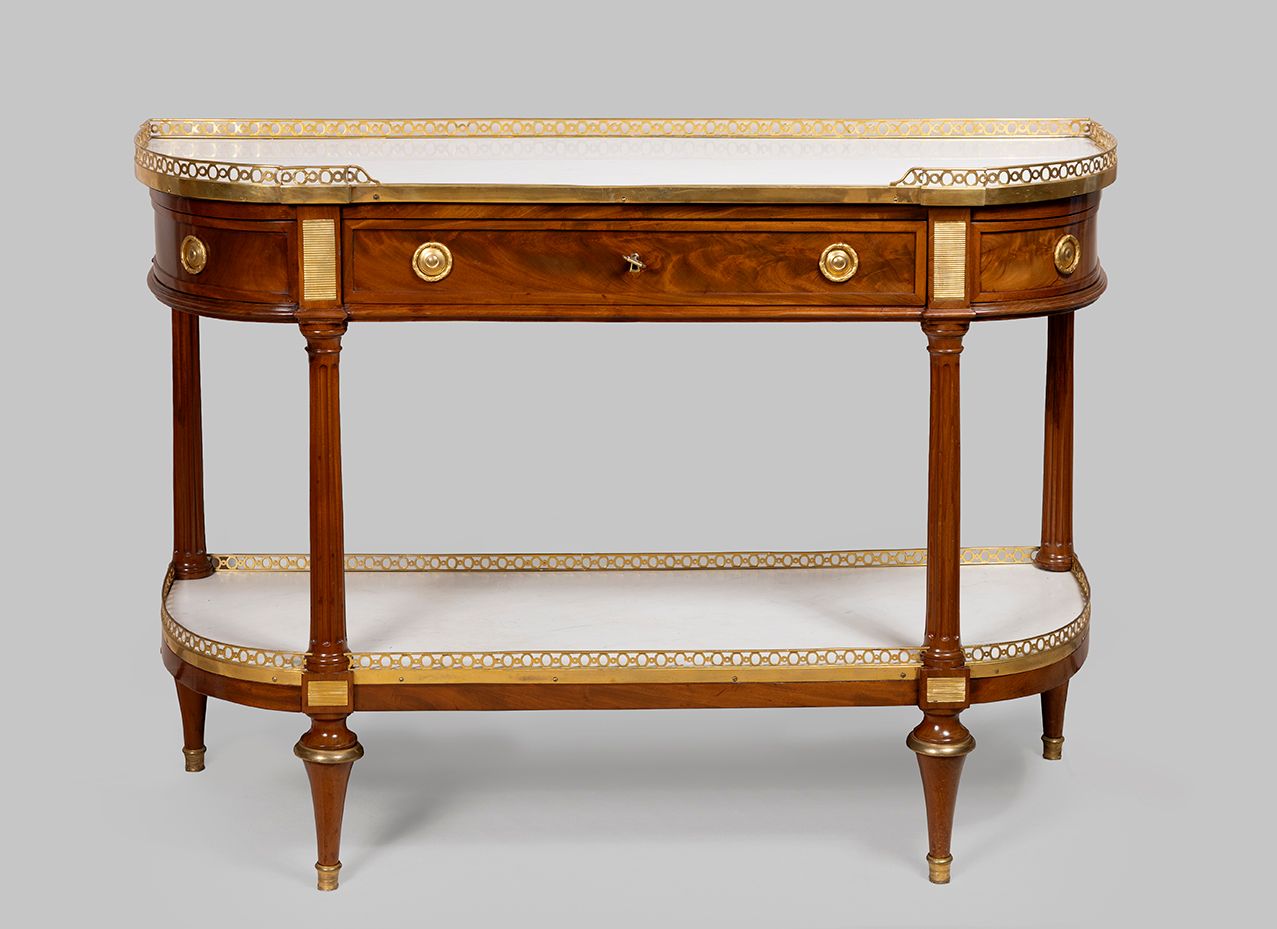

Ships from The Netherlands
€ 18000 $ 19786 £ 15045 ¥ 3165120 DKK 134536 CHF 16672 NOK 191655 CA$ 28294 HK$ 155230
Buy directly from Daatselaar Fine Art & Antiques
After you order, you arrange payment with the seller.
Message the seller
Daatselaar Fine Art & Antiques
Own a similar piece? Explore selling options
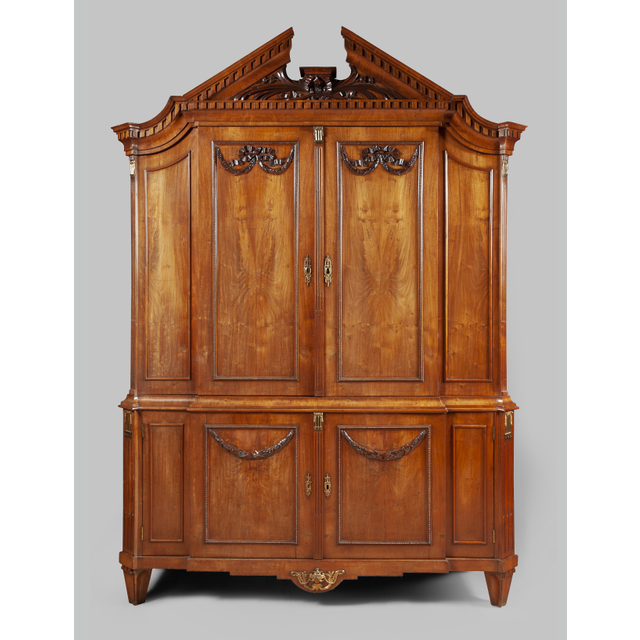
Price on request Price on request Price on request Price on request Price on request Price on request Price on request Price on request Price on request
€ 9800 $ 10772 £ 8191 ¥ 1723232 DKK 73247 CHF 9077 NOK 104346 CA$ 15405 HK$ 84514
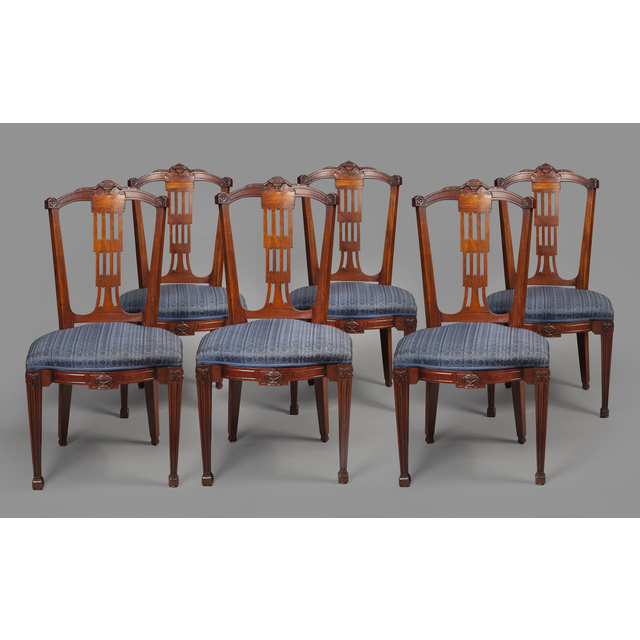
Price on request Price on request Price on request Price on request Price on request Price on request Price on request Price on request Price on request
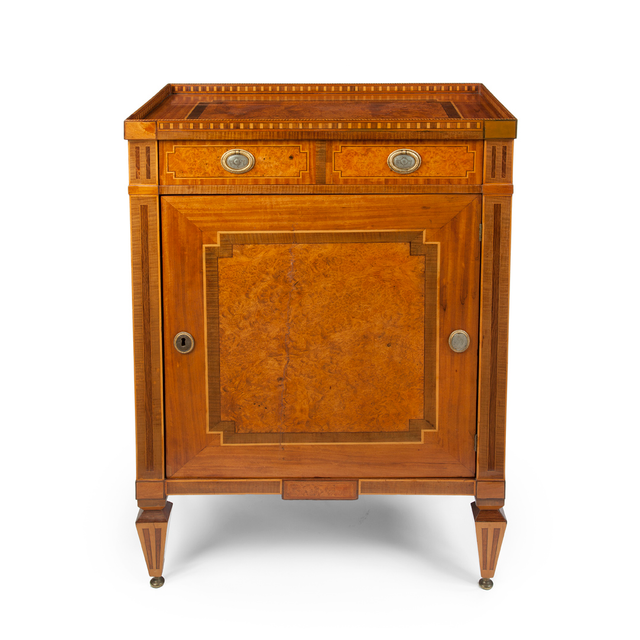
€ 10.000 - € 25.000 € 9.098 - € 22.744 € 11.964 - € 29.911 € 57 - € 142 € 1.338 - € 3.345 € 10.797 - € 26.992 € 939 - € 2.348 € 6.362 - € 15.904 € 1.160 - € 2.899
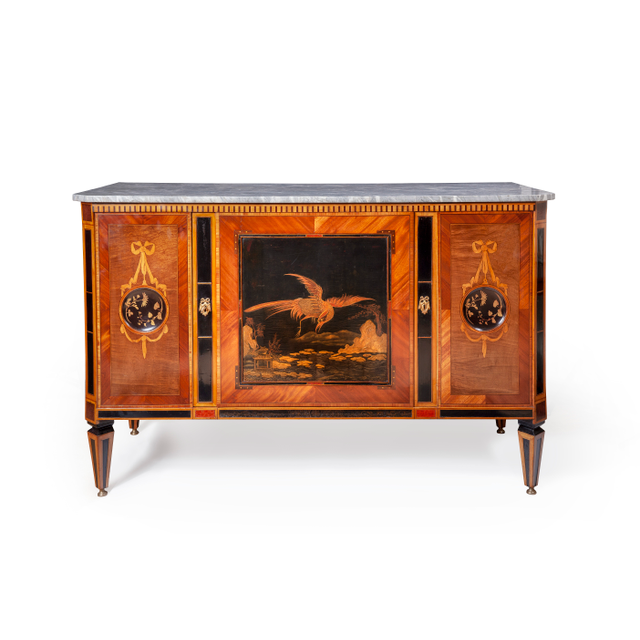
Price on request Price on request Price on request Price on request Price on request Price on request Price on request Price on request Price on request
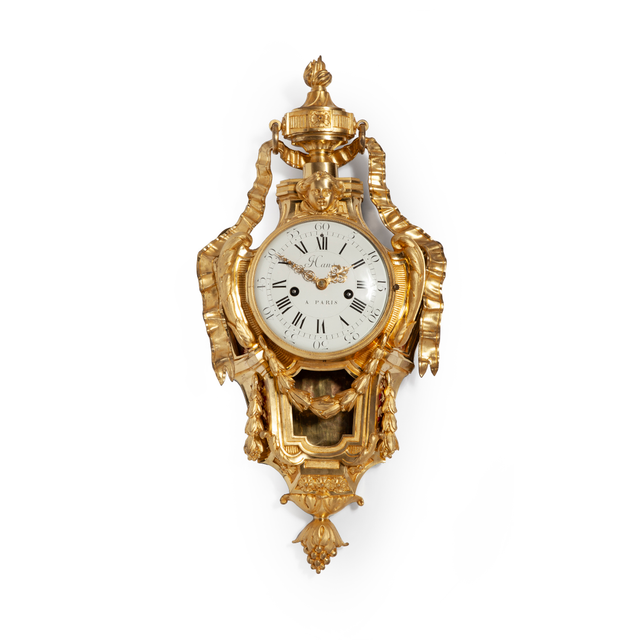
€ 14000 $ 15389 £ 11701 ¥ 2461760 DKK 104639 CHF 12967 NOK 149065 CA$ 22007 HK$ 120735
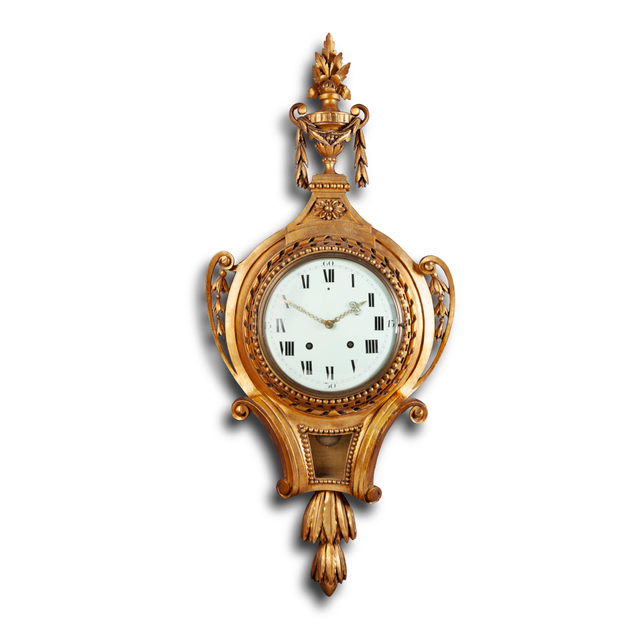
€ 15000 $ 16488 £ 12537 ¥ 2637600 DKK 112113 CHF 13893 NOK 159712 CA$ 23578 HK$ 129359
Price on request Price on request Price on request Price on request Price on request Price on request Price on request Price on request Price on request
Price on request Price on request Price on request Price on request Price on request Price on request Price on request Price on request Price on request
€ 12000 $ 13190 £ 10030 ¥ 2110080 DKK 89690 CHF 11114 NOK 127770 CA$ 18863 HK$ 103487
Price on request Price on request Price on request Price on request Price on request Price on request Price on request Price on request Price on request
Price on request Price on request Price on request Price on request Price on request Price on request Price on request Price on request Price on request
Price on request Price on request Price on request Price on request Price on request Price on request Price on request Price on request Price on request
€ 9500 $ 10442 £ 7940 ¥ 1670480 DKK 71005 CHF 8799 NOK 101151 CA$ 14933 HK$ 81927
Price on request Price on request Price on request Price on request Price on request Price on request Price on request Price on request Price on request
Price on request Price on request Price on request Price on request Price on request Price on request Price on request Price on request Price on request