Mark Drenth
5 years ago
Beautiful Shop 🤩
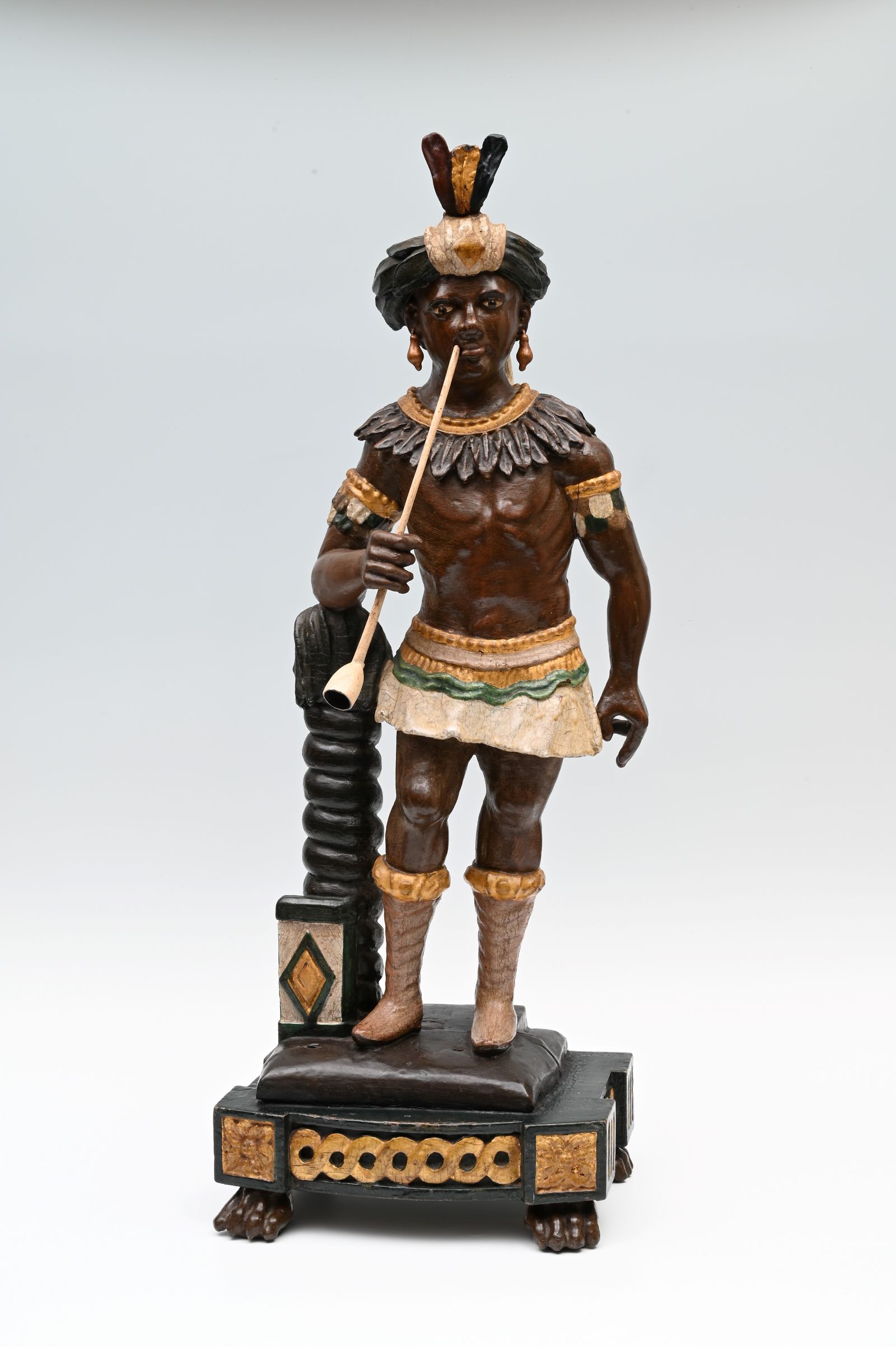
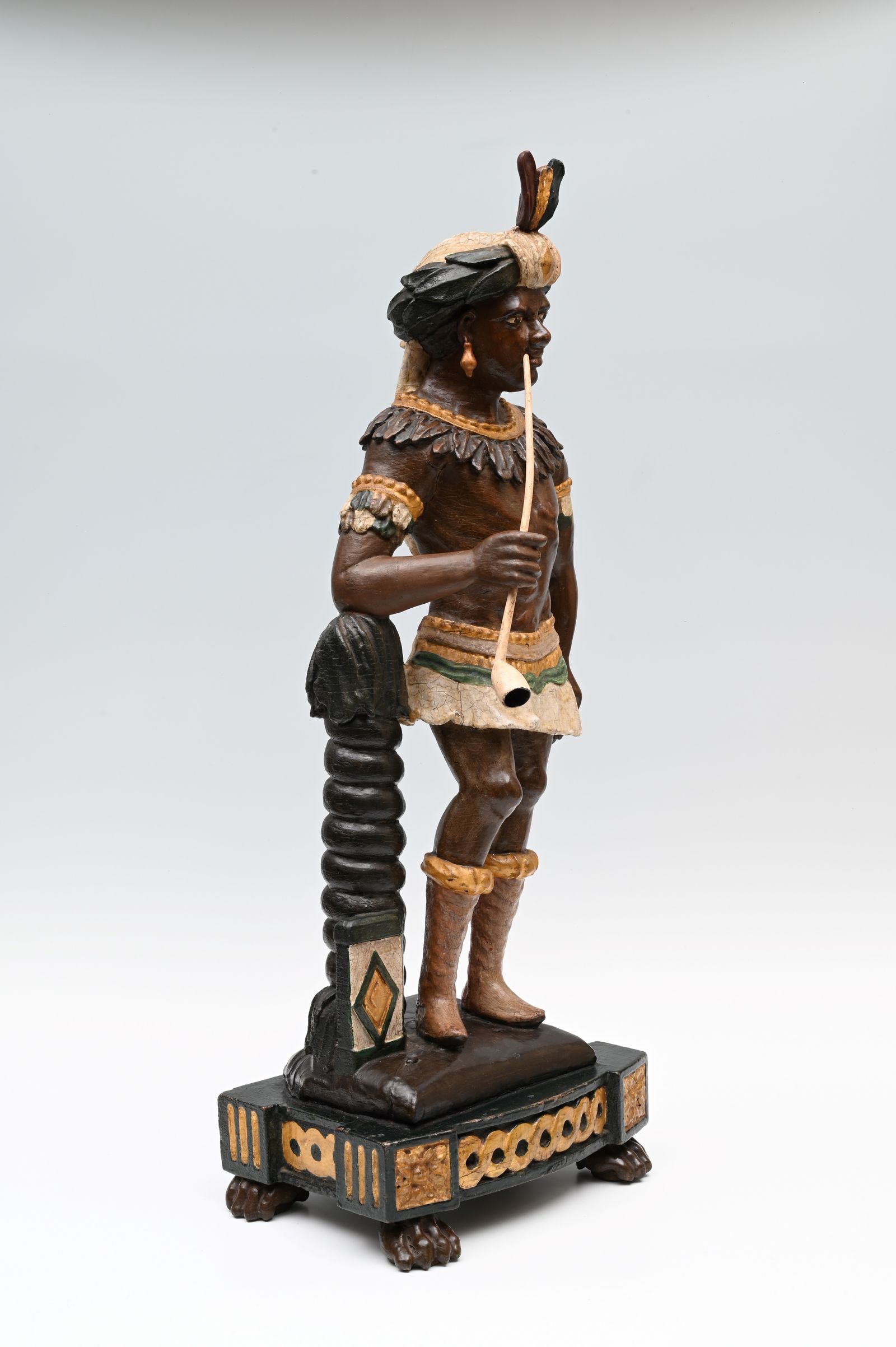
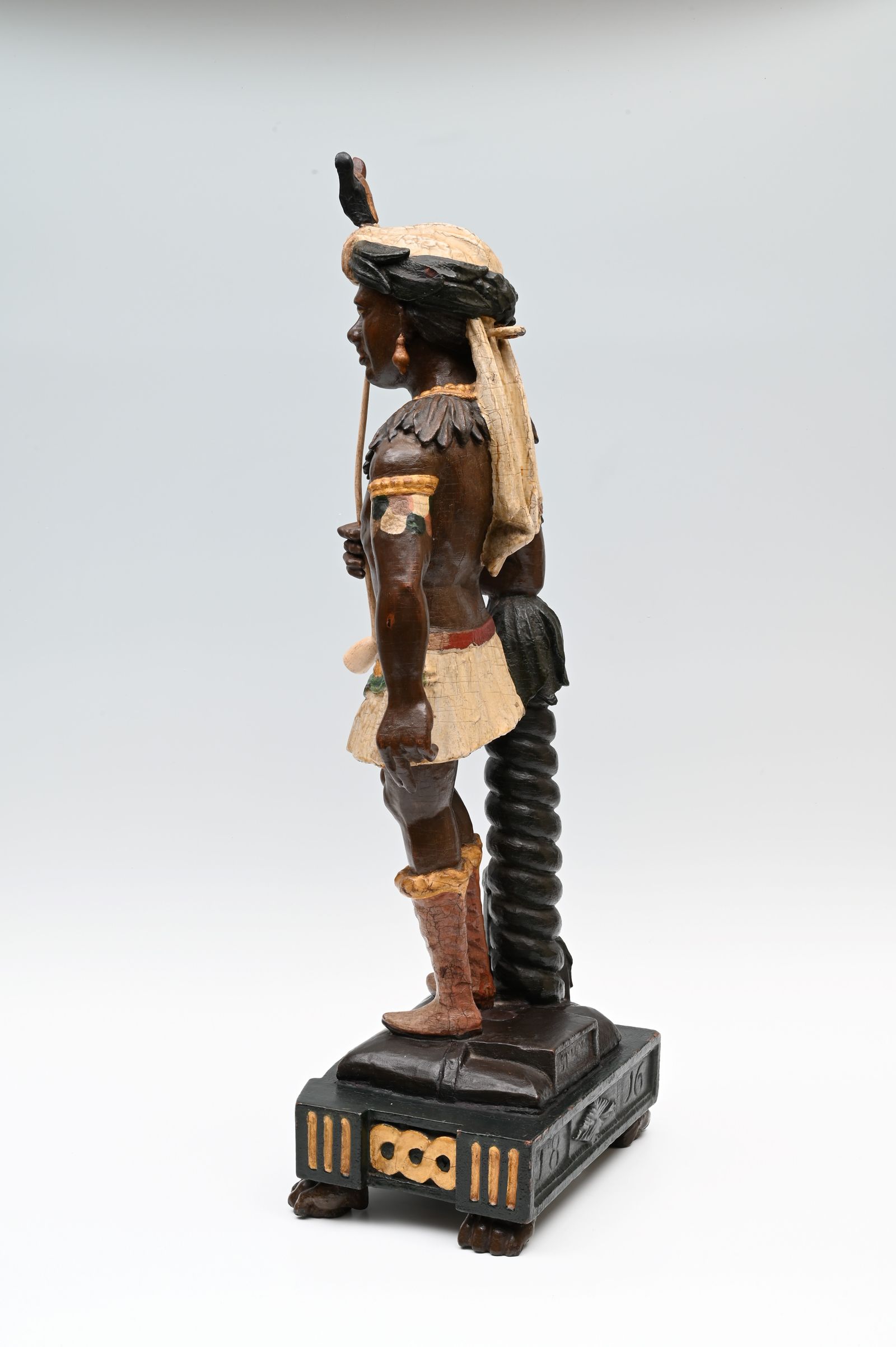
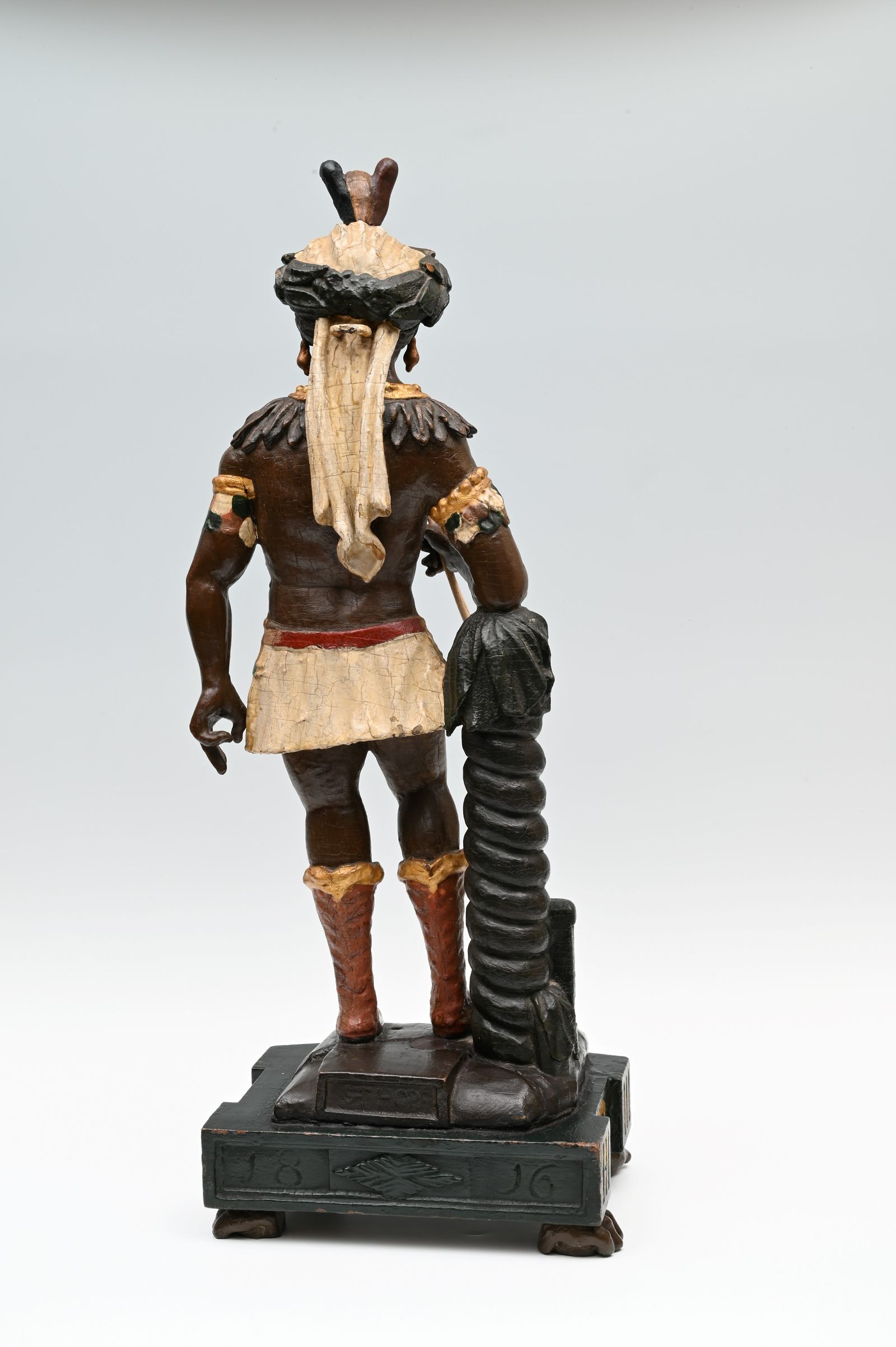
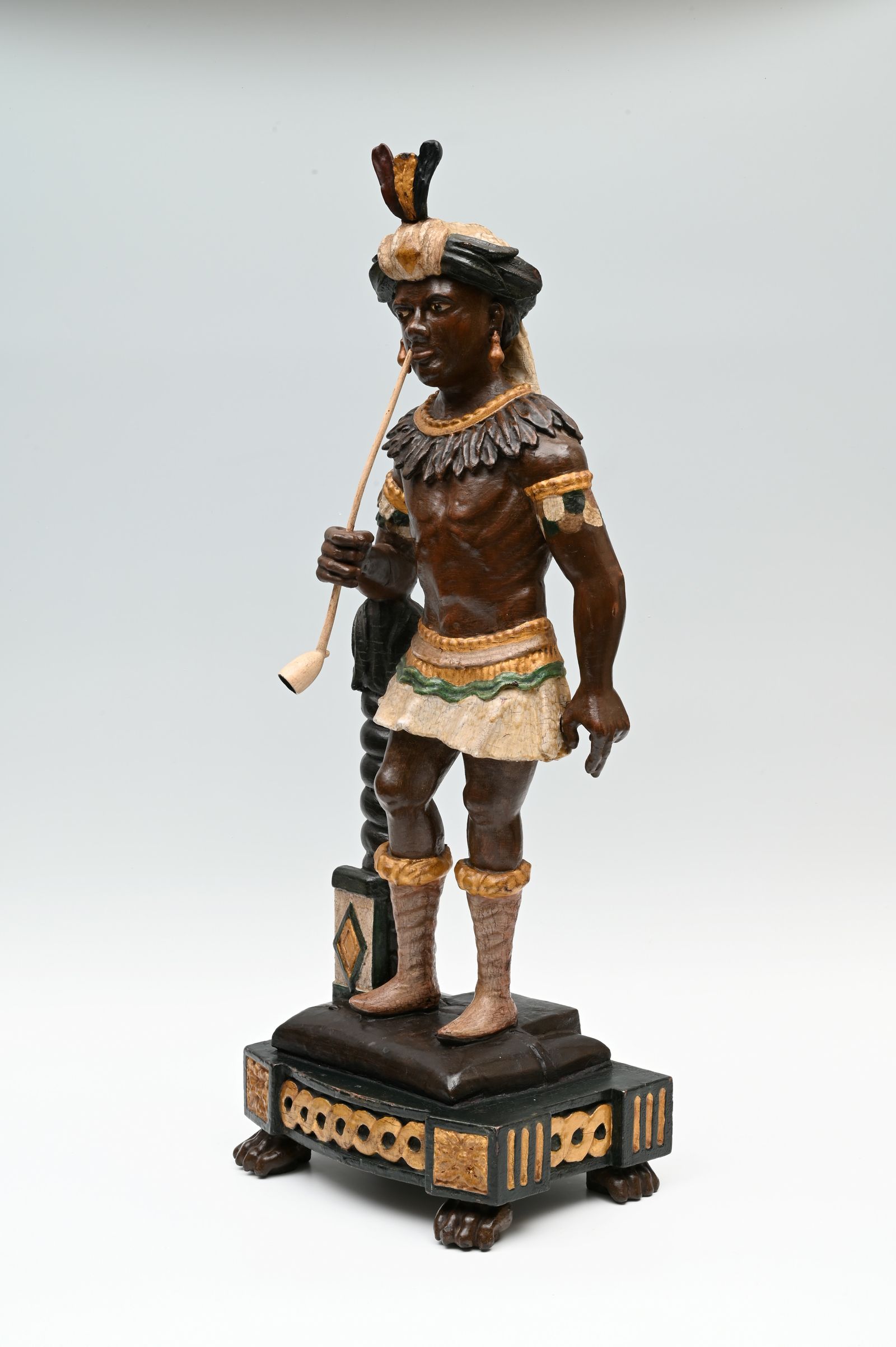
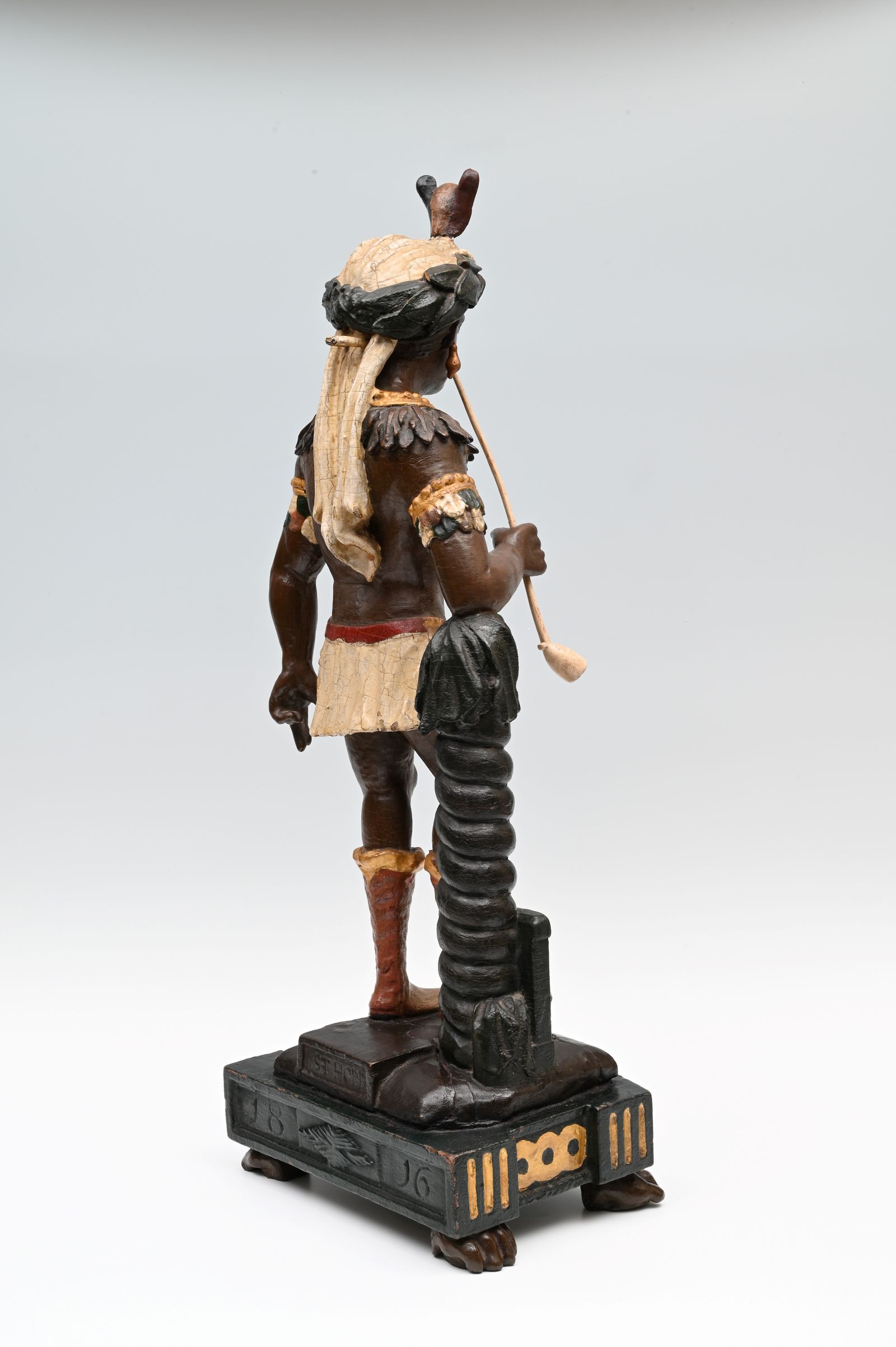
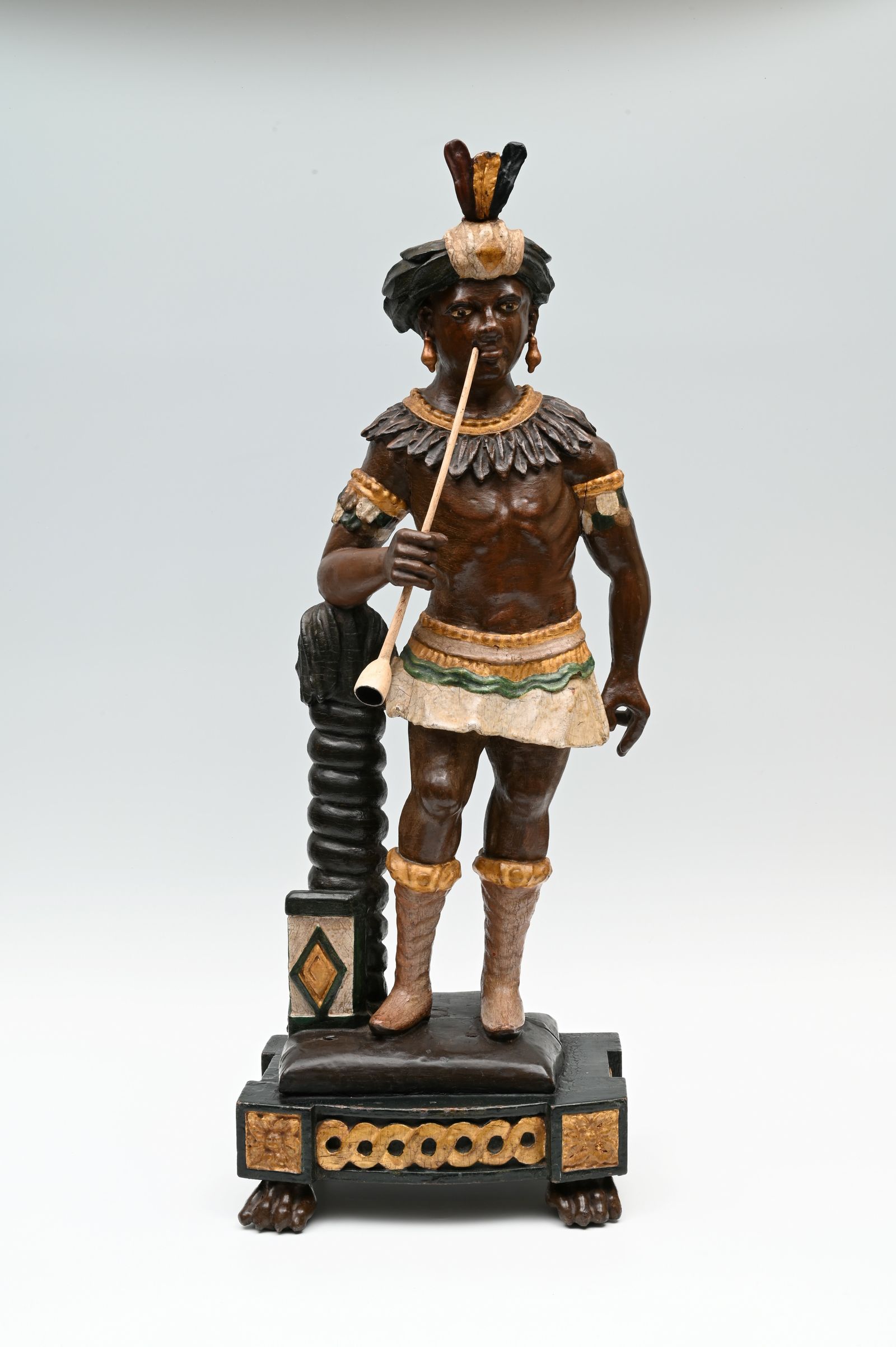
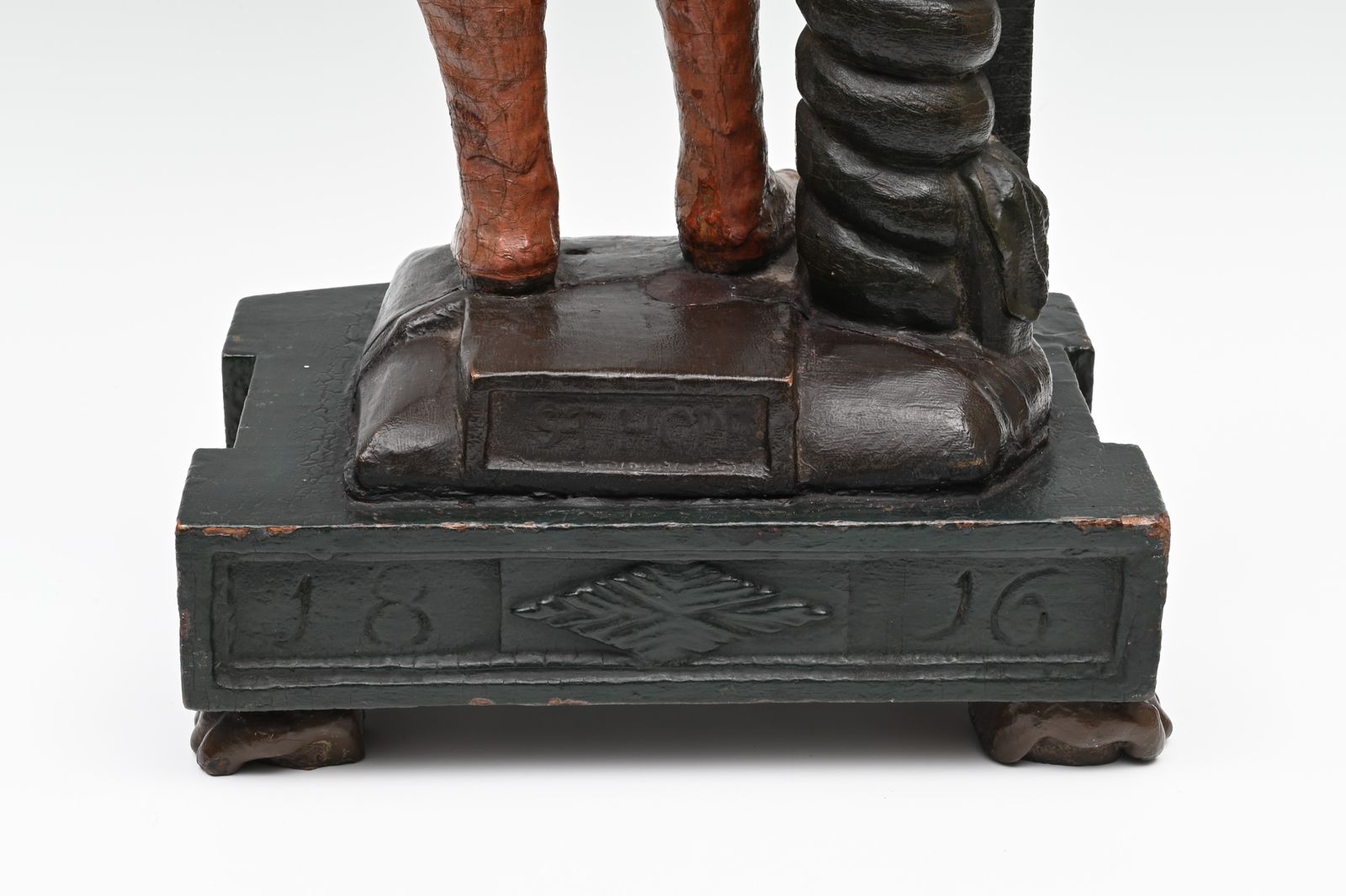
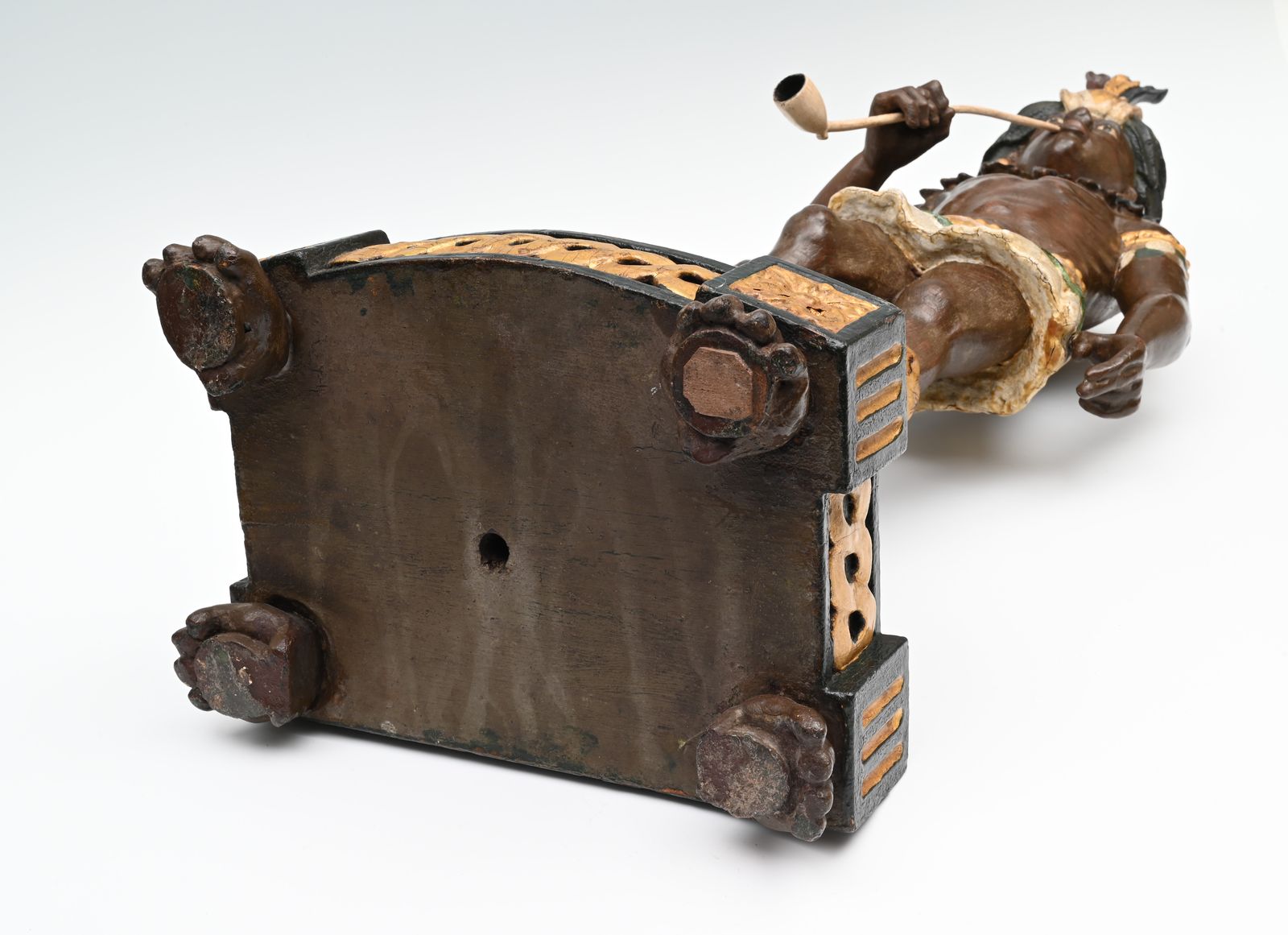
Ships from The Netherlands
Price on request Price on request Price on request Price on request Price on request Price on request Price on request Price on request Price on request
No obligation to buy.
Message the seller
Limburg Antiquairs
Own a similar piece? Explore selling options
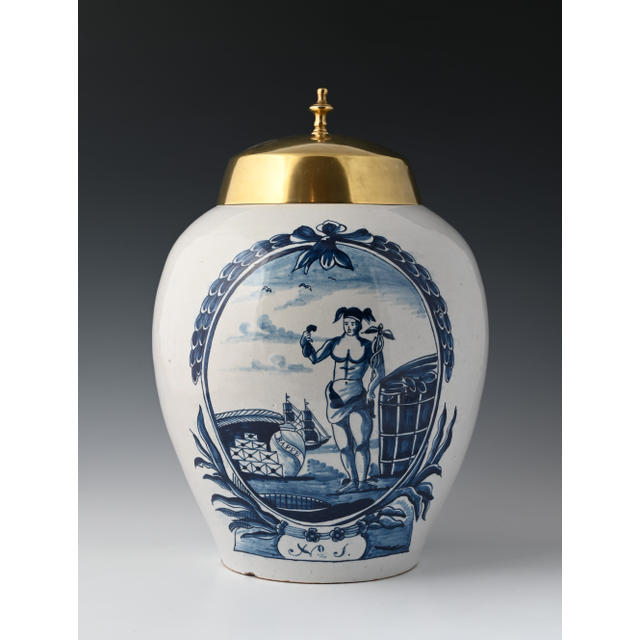
Price on request Price on request Price on request Price on request Price on request Price on request Price on request Price on request Price on request
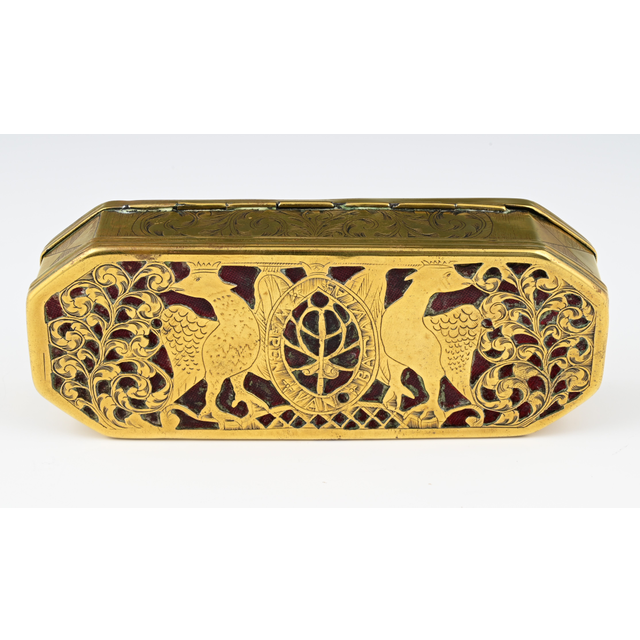
€ 1500 $ 1648 £ 1250 ¥ 262575 DKK 11212 CHF 1385 NOK 15863 CA$ 2356 HK$ 12933
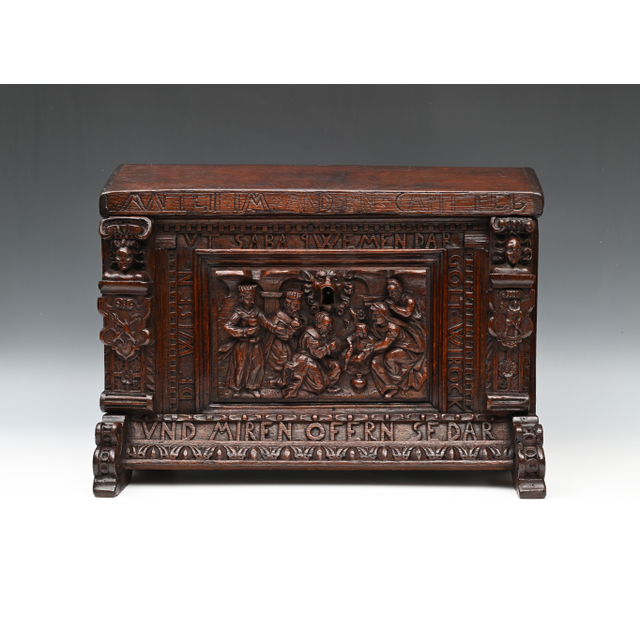
Price on request Price on request Price on request Price on request Price on request Price on request Price on request Price on request Price on request
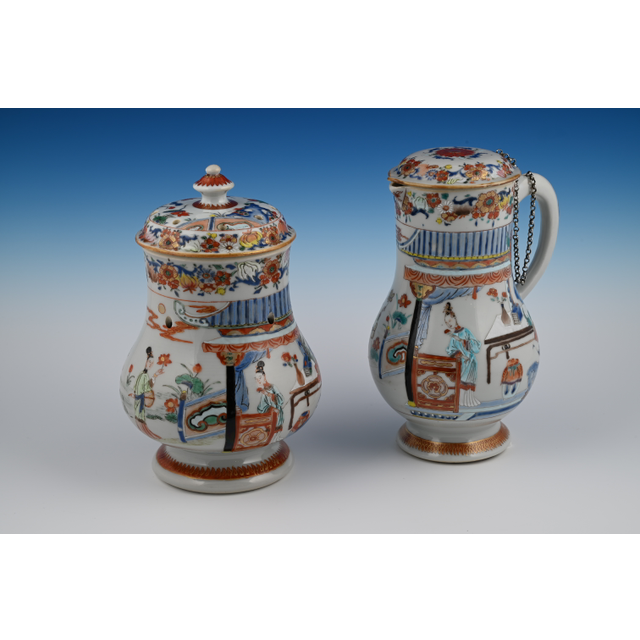
€ 6000 $ 6593 £ 4998 ¥ 1050300 DKK 44849 CHF 5540 NOK 63453 CA$ 9422 HK$ 51733
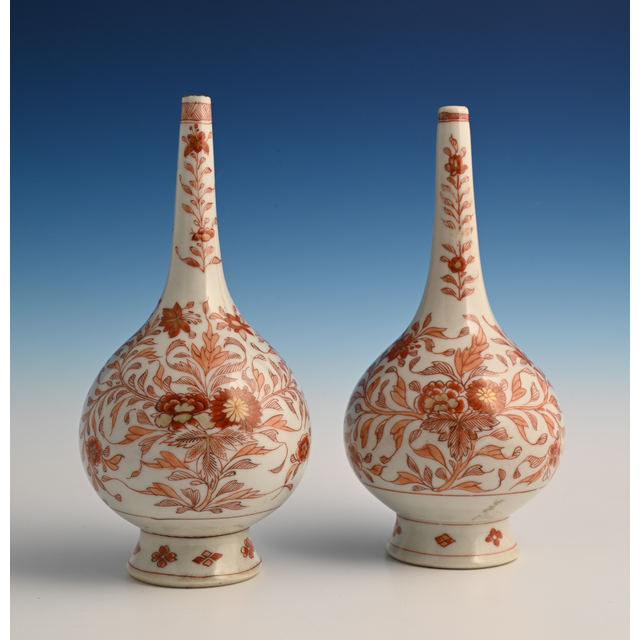
€ 1250 $ 1374 £ 1041 ¥ 218812 DKK 9344 CHF 1154 NOK 13219 CA$ 1963 HK$ 10778
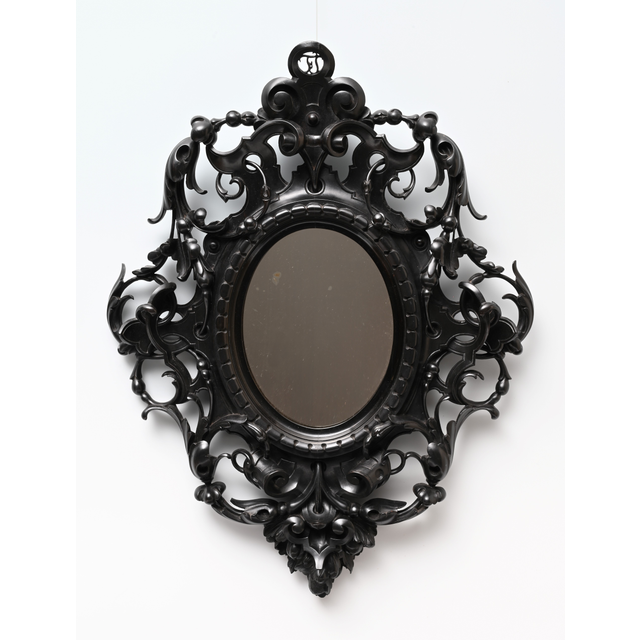
€ 2500 $ 2747 £ 2083 ¥ 437625 DKK 18687 CHF 2308 NOK 26439 CA$ 3926 HK$ 21555
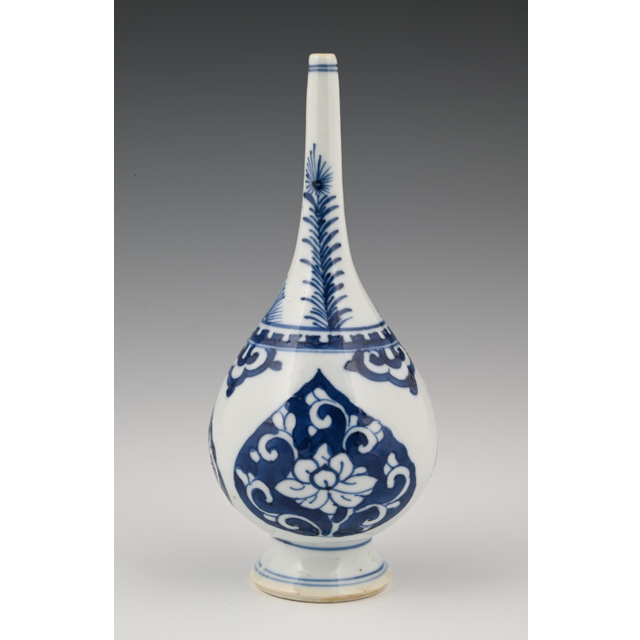
€ 800 $ 879 £ 666 ¥ 140040 DKK 5980 CHF 739 NOK 8460 CA$ 1256 HK$ 6898
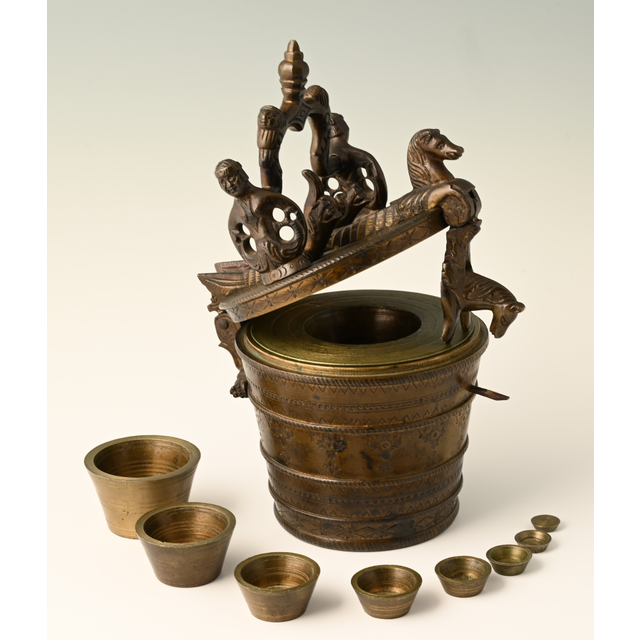
€ 5700 $ 6264 £ 4748 ¥ 997785 DKK 42607 CHF 5263 NOK 60280 CA$ 8951 HK$ 49146
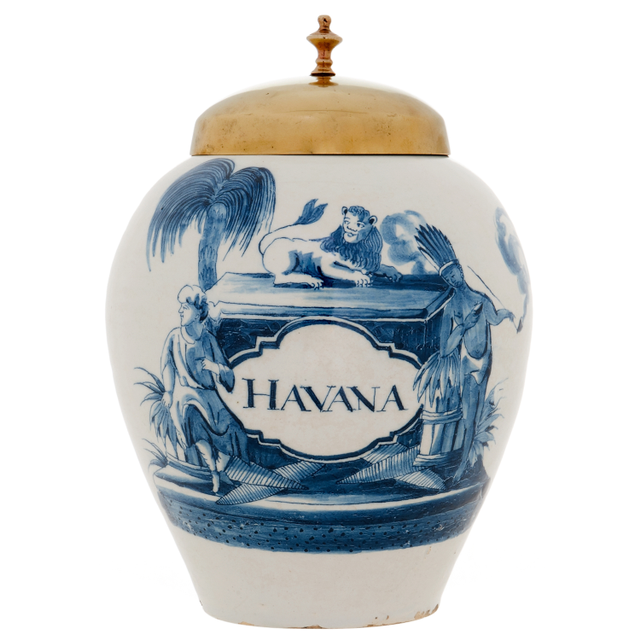
€ 1650 $ 1813 £ 1375 ¥ 288832 DKK 12334 CHF 1523 NOK 17450 CA$ 2591 HK$ 14226
Price on request Price on request Price on request Price on request Price on request Price on request Price on request Price on request Price on request
€ 6500 $ 7143 £ 5415 ¥ 1137825 DKK 48587 CHF 6001 NOK 68741 CA$ 10208 HK$ 56044
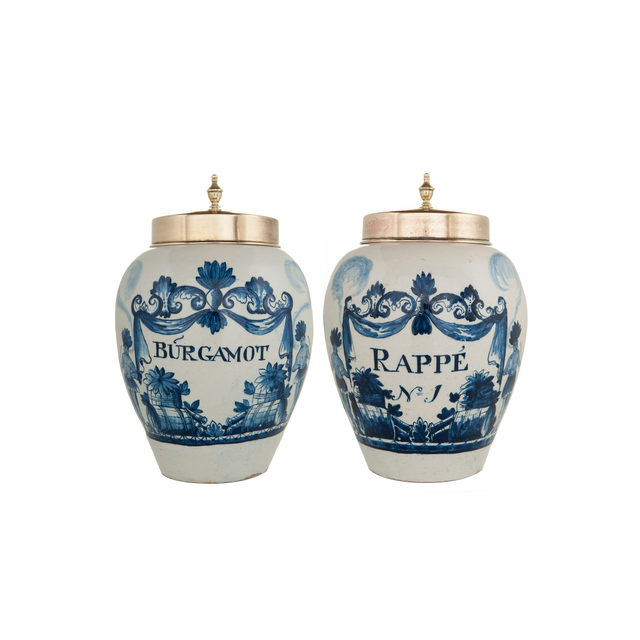
€ 2850 $ 3132 £ 2374 ¥ 498893 DKK 21303 CHF 2631 NOK 30140 CA$ 4476 HK$ 24573
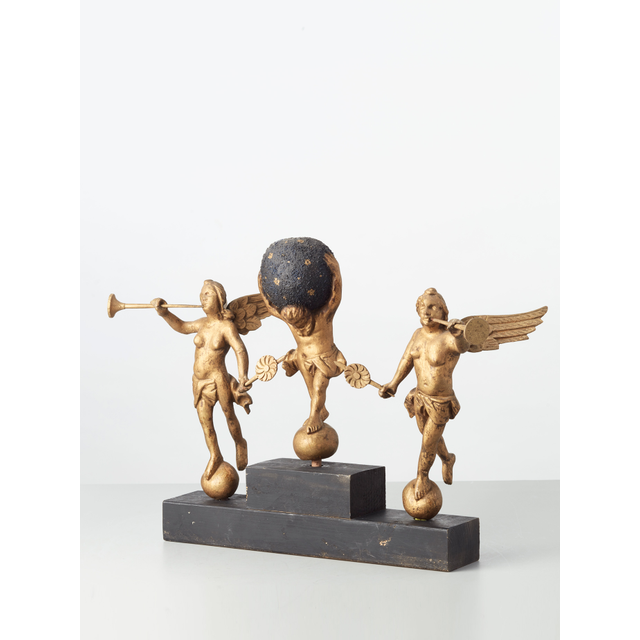
€ 1250 $ 1374 £ 1041 ¥ 218812 DKK 9344 CHF 1154 NOK 13219 CA$ 1963 HK$ 10778
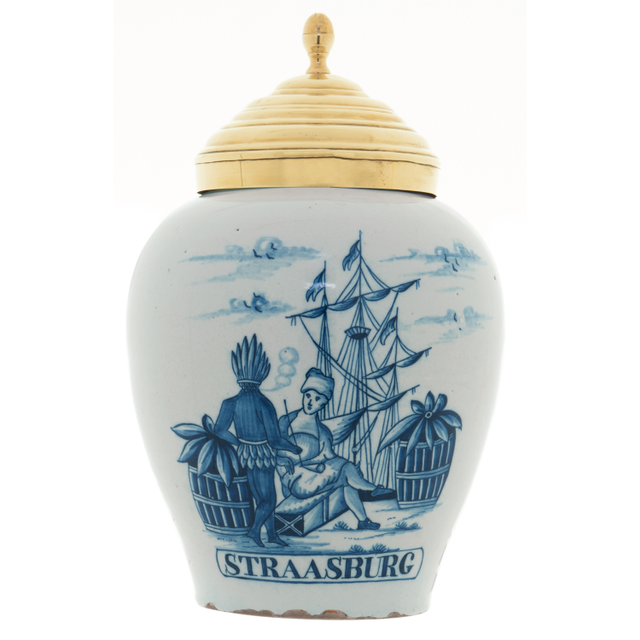
De Drie Klokken (The Three Bells) factory
Price on request Price on request Price on request Price on request Price on request Price on request Price on request Price on request Price on request
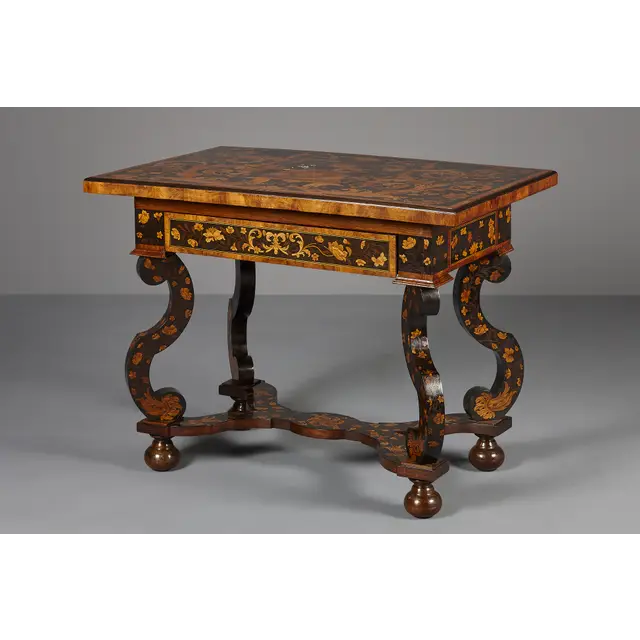
Price on request Price on request Price on request Price on request Price on request Price on request Price on request Price on request Price on request
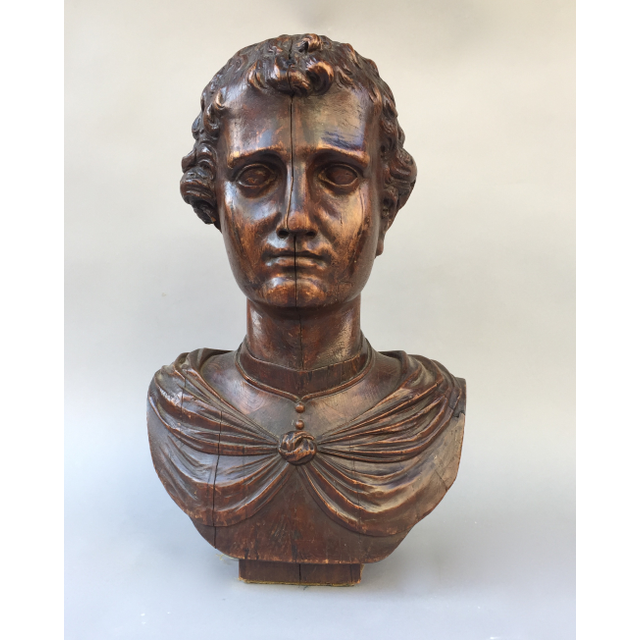
€ 1600 $ 1758 £ 1333 ¥ 280080 DKK 11960 CHF 1477 NOK 16921 CA$ 2513 HK$ 13795