Dani Pascariu
a year ago
Great store, good prices (Netherlands)
Ships from The Netherlands
Price on request Price on request Price on request Price on request Price on request Price on request Price on request Price on request Price on request

Message the seller
Kollenburg Antiquairs BV
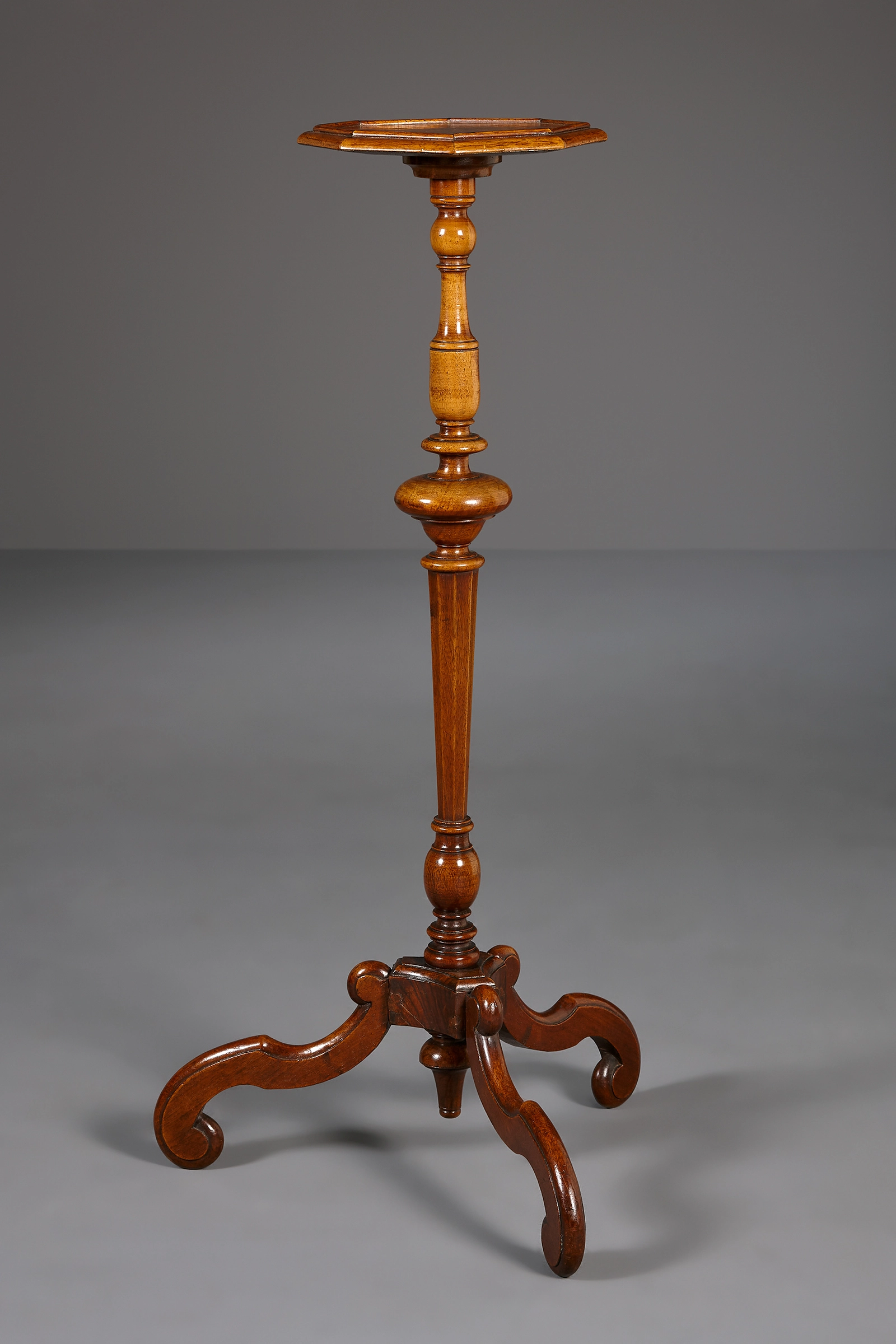
The guéridon stands on a tripod of solid walnut S-shaped volutes. The shaped stem tapers downwards from the central knop and extends above in a baluster shape towards the tabletop. The octagonal top has a raised edge and is veneered with richly figured burr walnut.
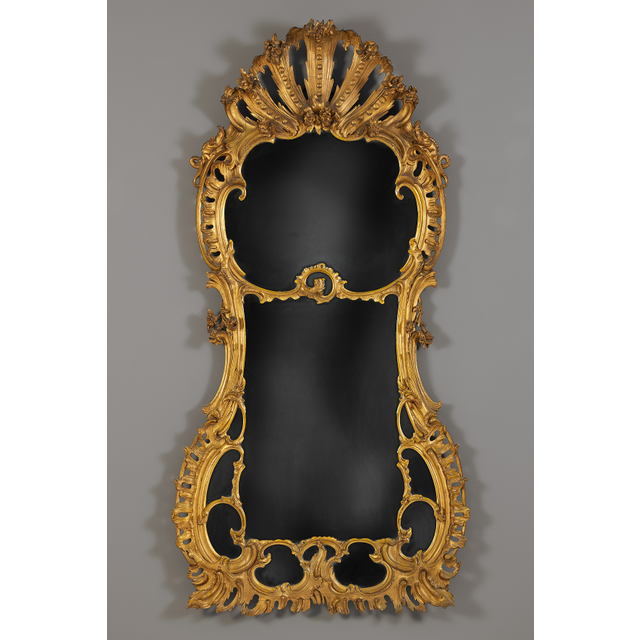
Originally, in the mid-seventeenth century and after, guéridons were intended as stands for candlesticks (girandoles), and as such were usually placed against walls. Jean Lepautre’s Livre de Miroirs, Tables et Guéridons (ca. 1670) consistently shows a pair of guéridons flanking a console table with a mirror above it. This created beautifully illuminated interiors, bathed in the reflected light from the elevated candlesticks. Daniël Marot designed numerous variations on this “triad” arrangement – i.e. a console with mirror flanked by girandoles – for the stadtholder’s court. After 1702, Marot’s clientele primarily consisted of the nobility and the bourgeoisie. The concept of enhancing illumination through reflected candlelight gained widespread popularity among the Dutch bourgeoisie, leading to a corresponding surge in the production of guéridons.