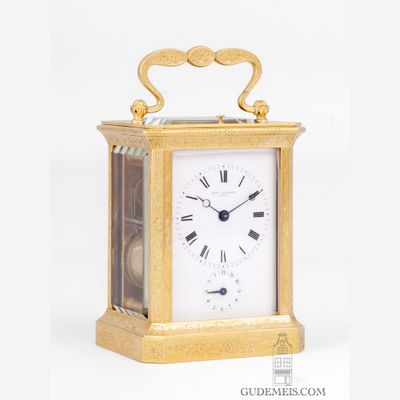
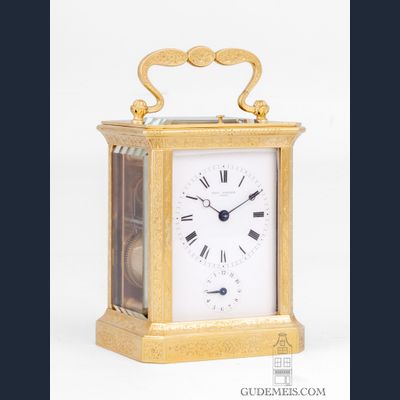
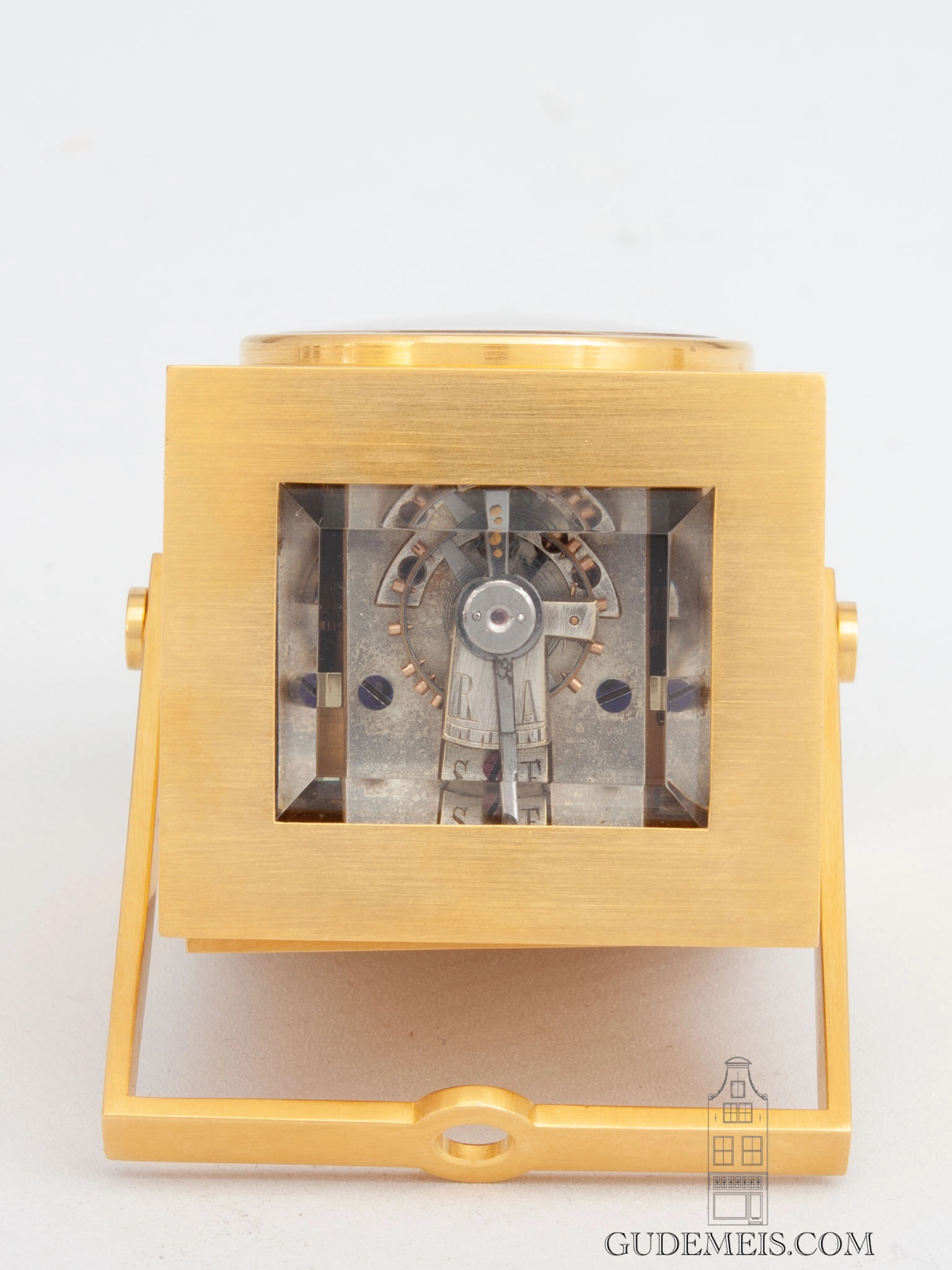
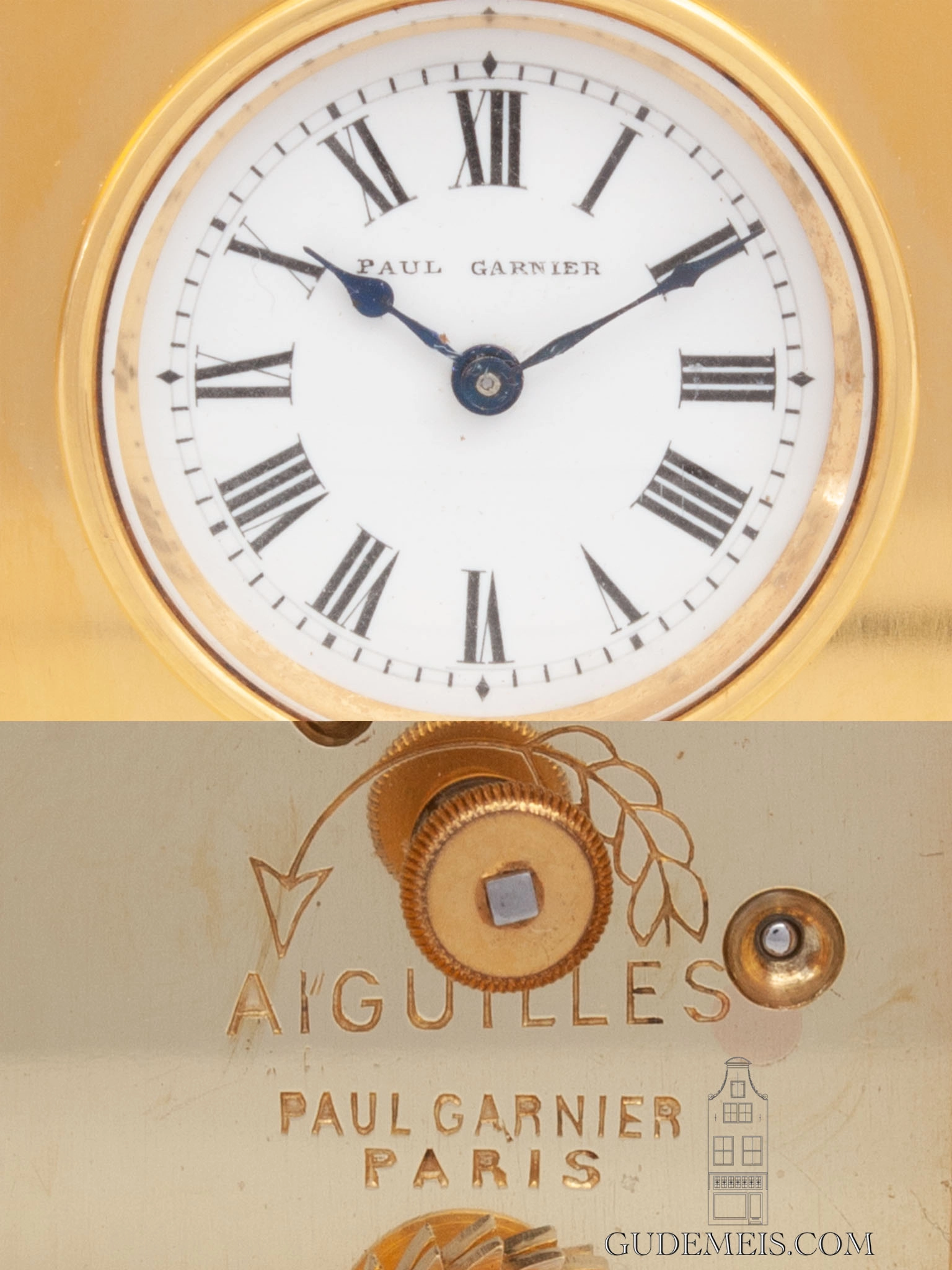
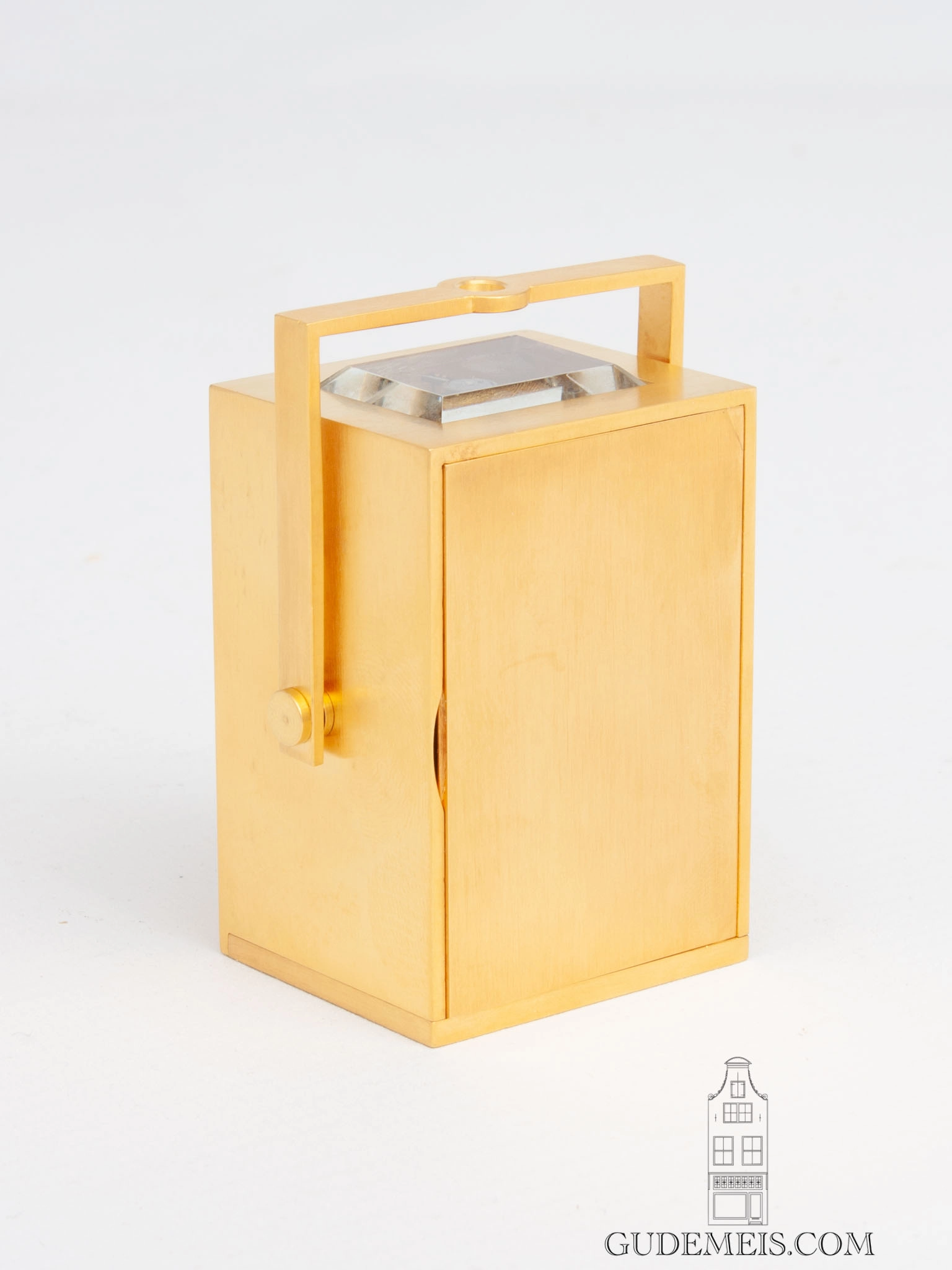
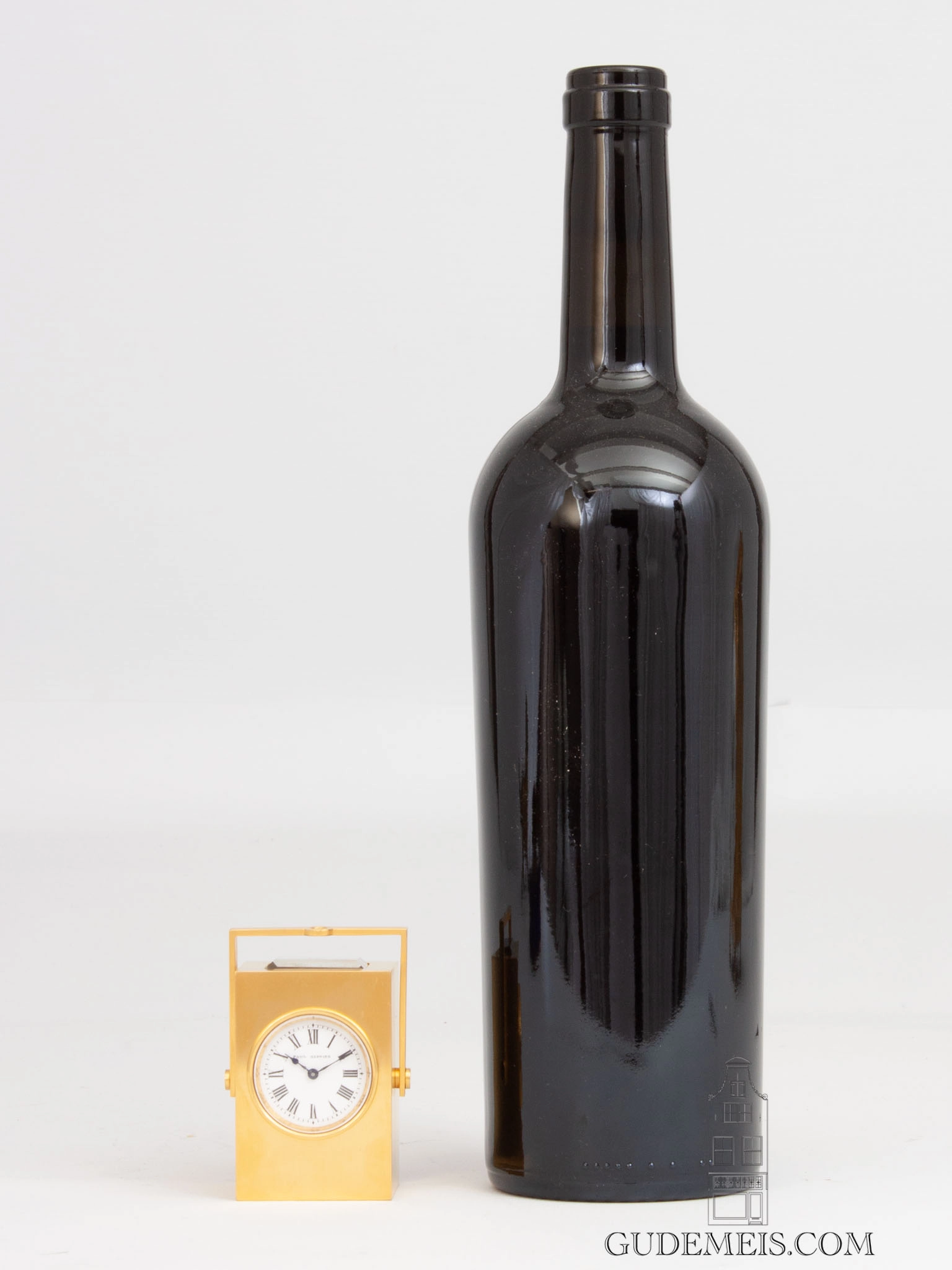
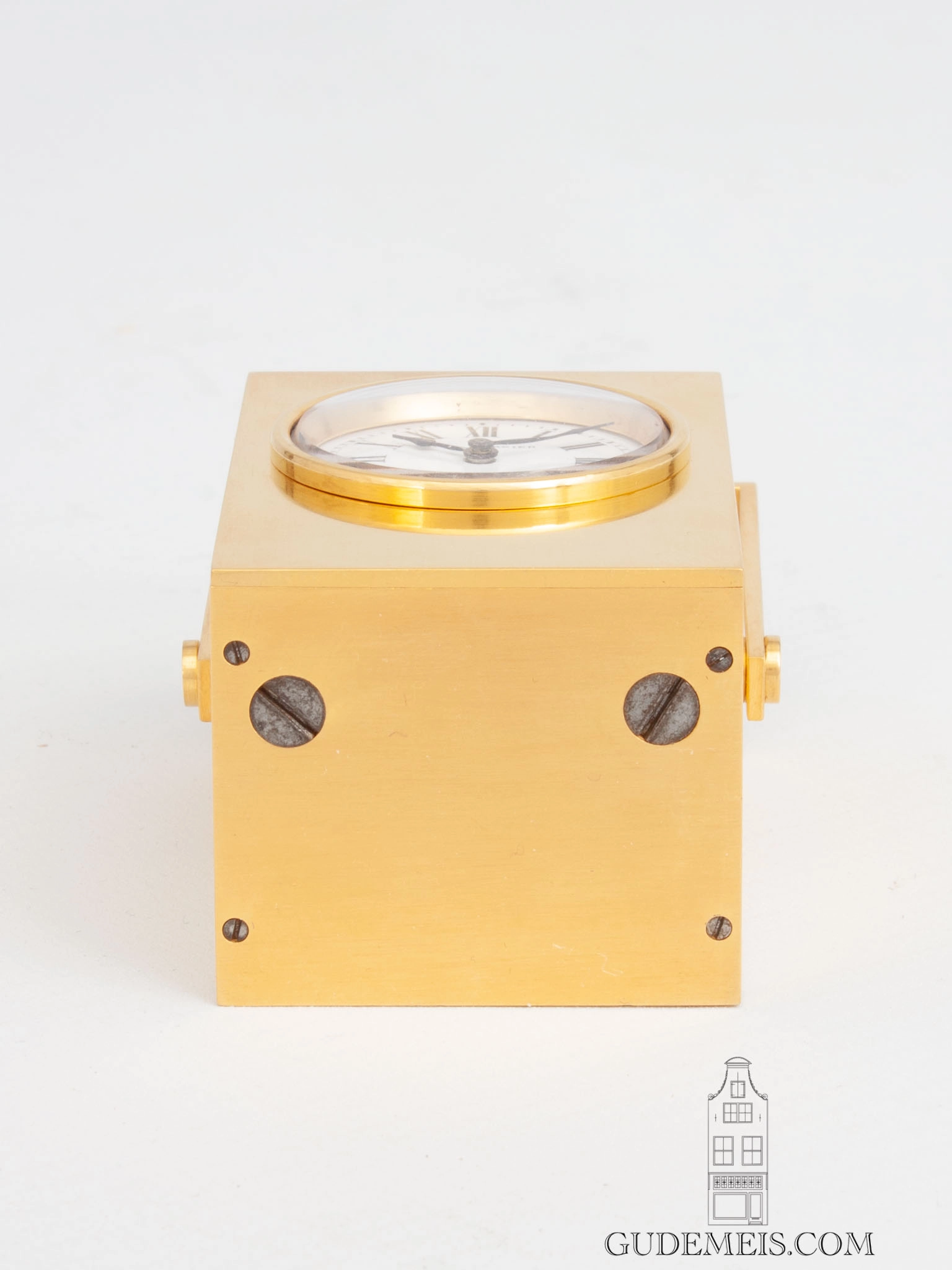
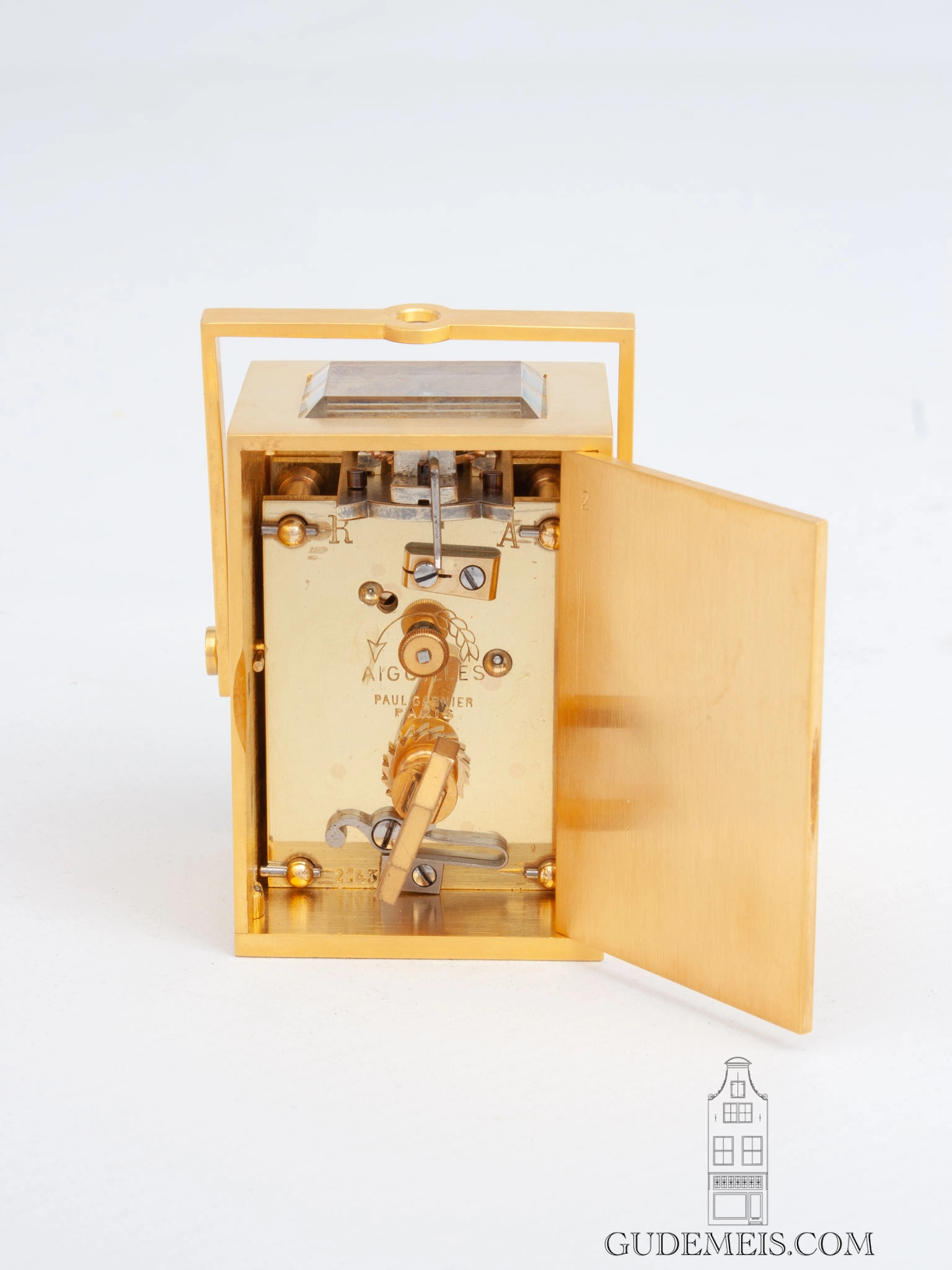
An early French carriage clock with chaff cutter escapement, Paul Garnier.
€ 8500 $ 9742 £ 7364 ¥ 1567740 DKK 63535 CHF 7835 NOK 94392 CA$ 13761 HK$ 76353
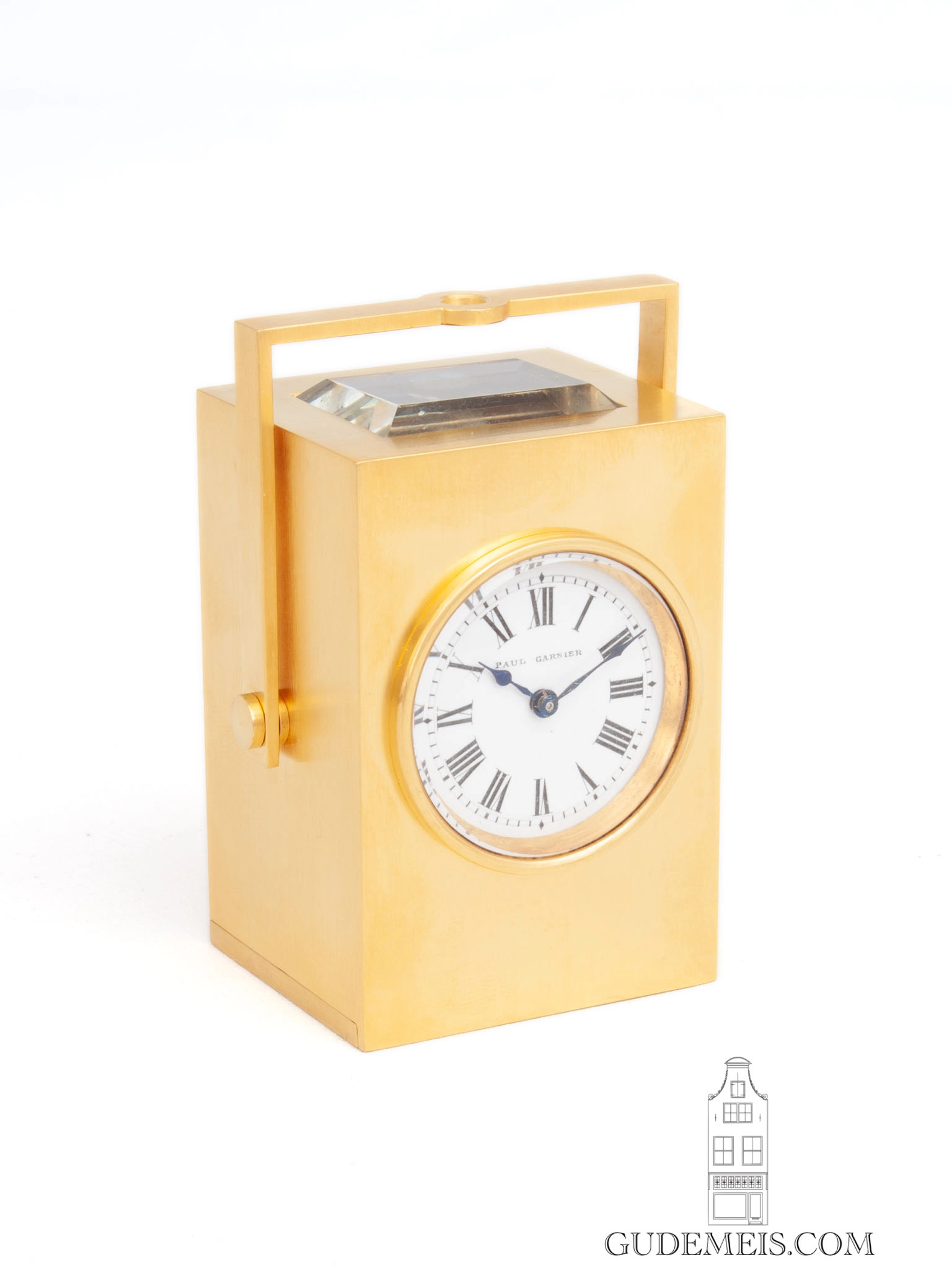
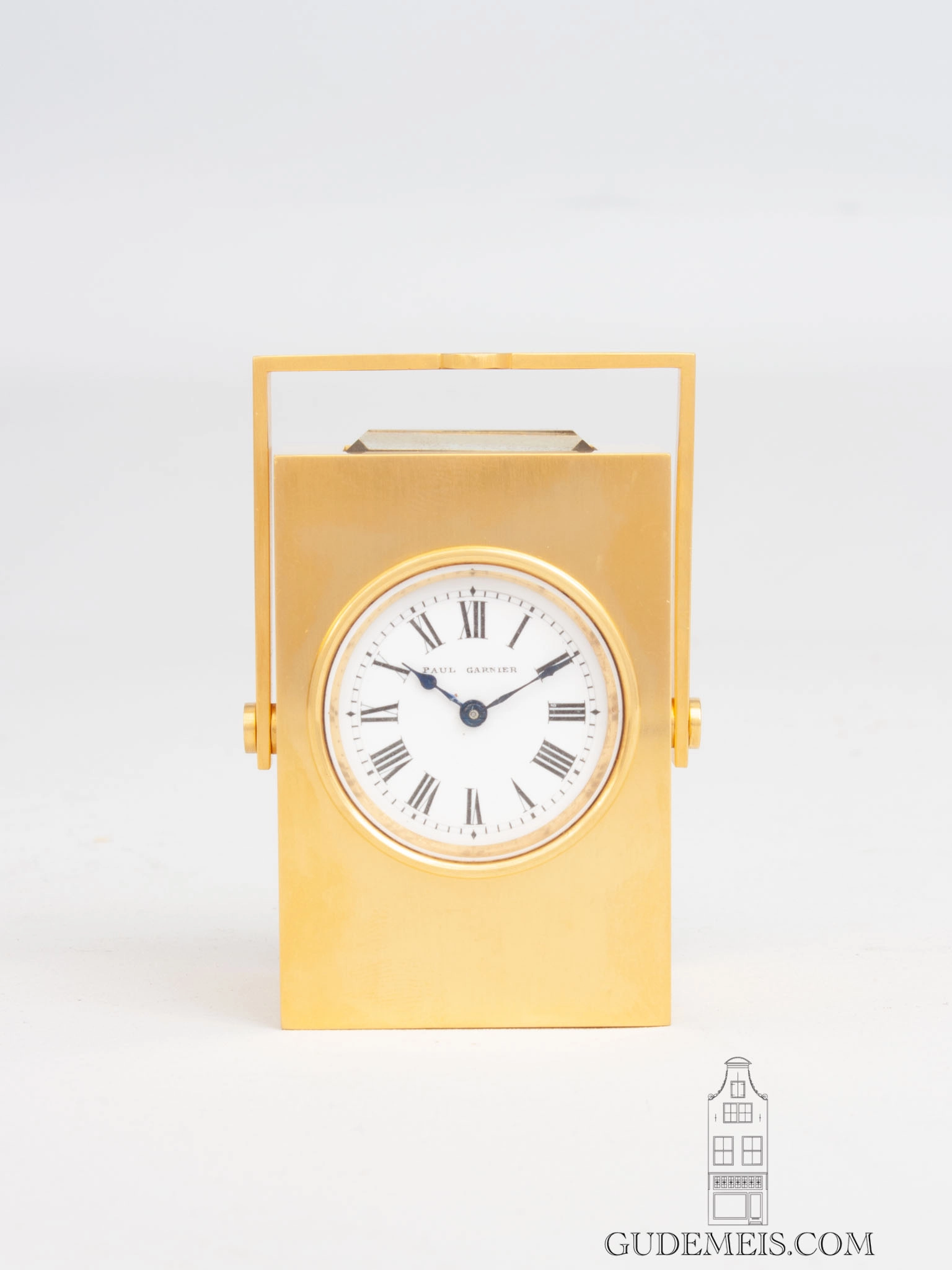
Ships from The Netherlands
€ 4500 $ 5157 £ 3899 ¥ 829980 DKK 33636 CHF 4148 NOK 49972 CA$ 7285 HK$ 40422
An early French carriage clock with chaff cutter escapement, Paul Garnier.
€ 8500 $ 9742 £ 7364 ¥ 1567740 DKK 63535 CHF 7835 NOK 94392 CA$ 13761 HK$ 76353
A sub miniature Swiss gilt brass and enamel carriage clock, circa 1890.
€ 6500 $ 7450 £ 5631 ¥ 1198860 DKK 48586 CHF 5992 NOK 72182 CA$ 10523 HK$ 58388
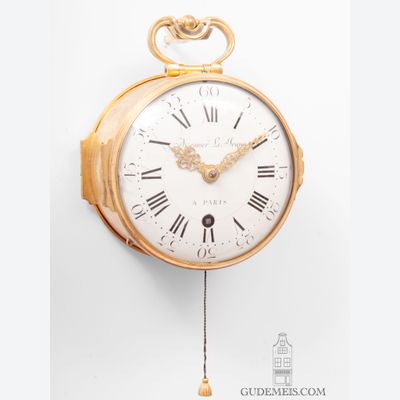
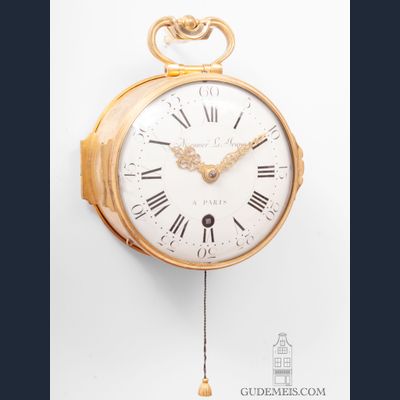
A rare French Louis XVI quarter repeating wall clock, Meunier Le Jeune, circa 1770.
€ 15000 $ 17192 £ 12996 ¥ 2766600 DKK 112120 CHF 13827 NOK 166575 CA$ 24284 HK$ 134740
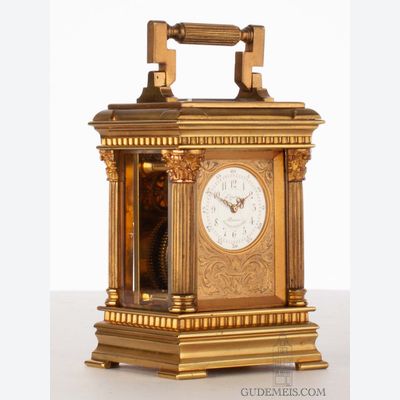
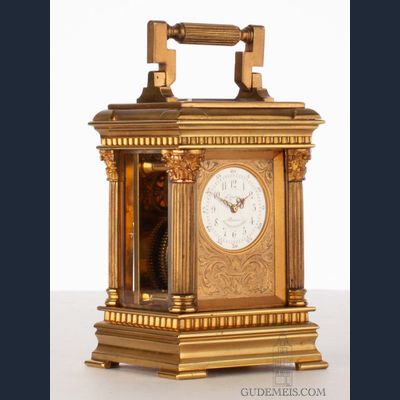
A small French glit brass travel clock by Lepine, circa 1900.
€ 5800 $ 6647 £ 5025 ¥ 1069752 DKK 43353 CHF 5346 NOK 64409 CA$ 9390 HK$ 52100
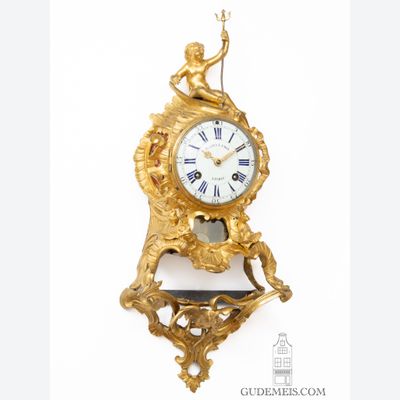
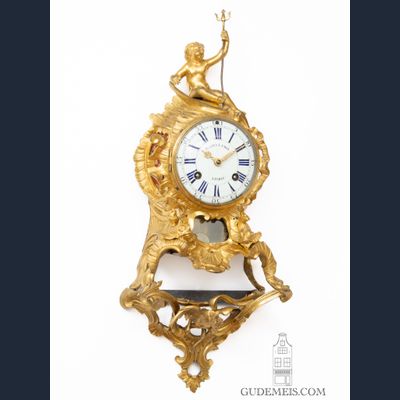
A very rare small French Louis XV ormolu bracket clock, Leroy A Paris, circa 1745
€ 32000 $ 36675 £ 27724 ¥ 5902080 DKK 239190 CHF 29498 NOK 355360 CA$ 51805 HK$ 287446
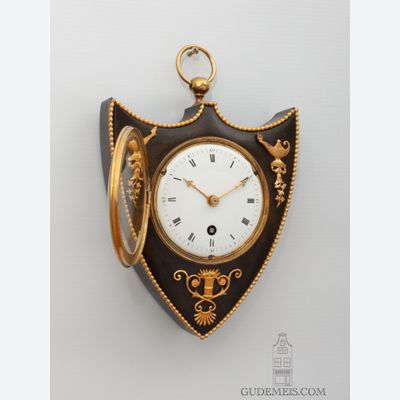
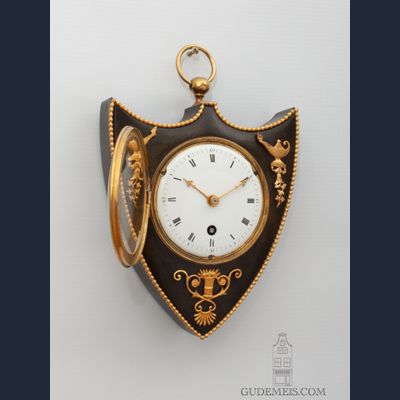
A rare and small French Empire bronze cartel wall clock, circa 1810.
€ 12000 $ 13753 £ 10397 ¥ 2213280 DKK 89696 CHF 11062 NOK 133260 CA$ 19427 HK$ 107792
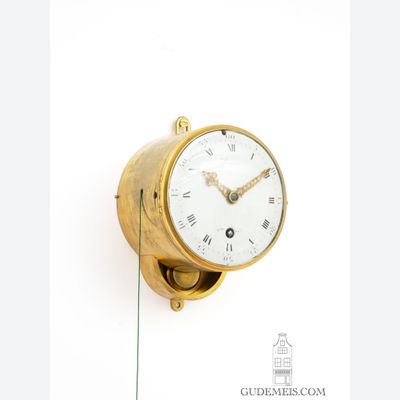
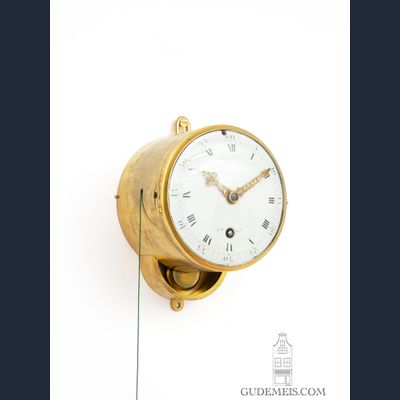
A rare French Louis XVI quarter repeating wall timepiece, Lepaute, circa 1783.
€ 16000 $ 18338 £ 13862 ¥ 2951040 DKK 119595 CHF 14749 NOK 177680 CA$ 25902 HK$ 143723
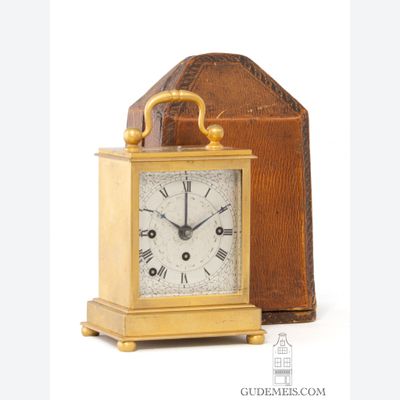
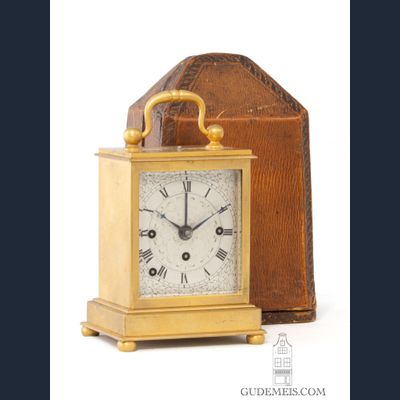
A small Austrian grande sonnerie travel clock, circa 1850.
€ 4500 $ 5157 £ 3899 ¥ 829980 DKK 33636 CHF 4148 NOK 49972 CA$ 7285 HK$ 40422
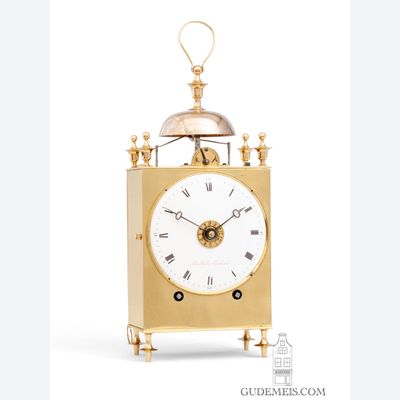
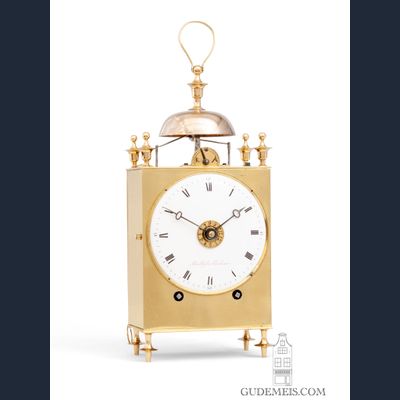
A French brass Capucine travel clock with strike and alarm, Ballif A Toulouse, circa 1800.
€ 7900 $ 9054 £ 6844 ¥ 1457076 DKK 59050 CHF 7282 NOK 87730 CA$ 12789 HK$ 70963
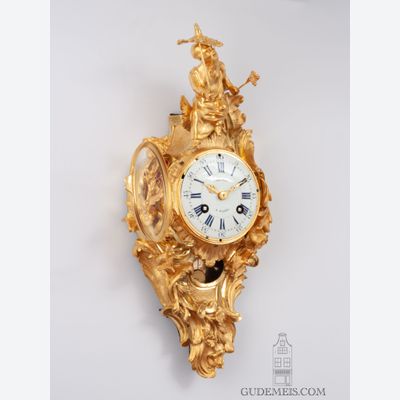
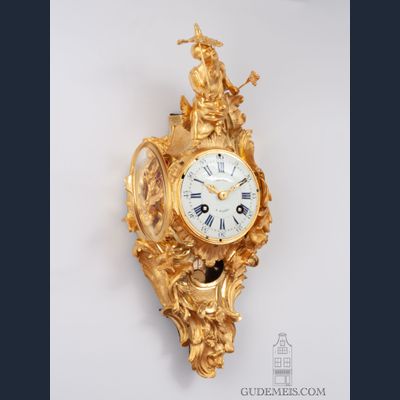
A fine French Louis XV ormolu cartel wall clock, Décle A Paris, 1754
€ 24000 $ 27506 £ 20793 ¥ 4426560 DKK 179393 CHF 22123 NOK 266520 CA$ 38854 HK$ 215585
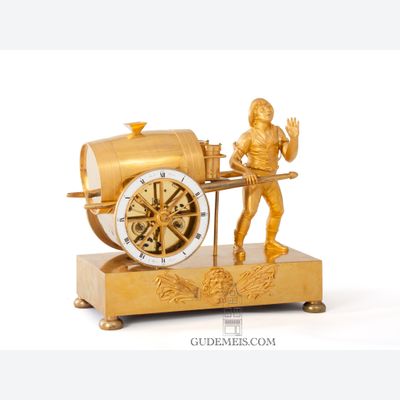
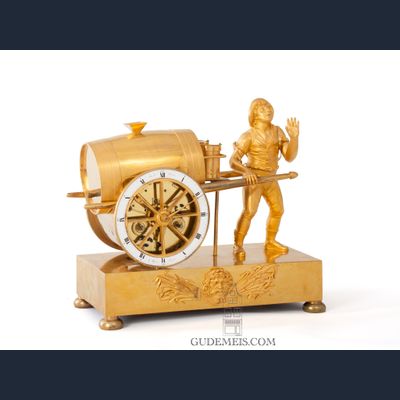
A French Empire gilt bronze mantel clock water seller, circa 1810
€ 17500 $ 20057 £ 15162 ¥ 3227700 DKK 130807 CHF 16132 NOK 194338 CA$ 28331 HK$ 157197
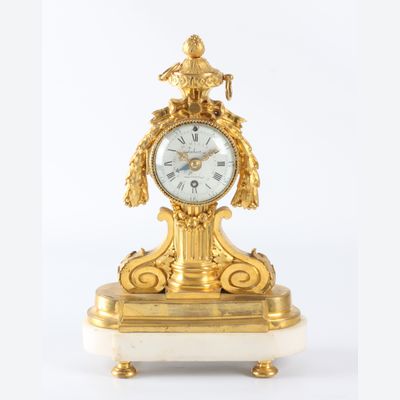
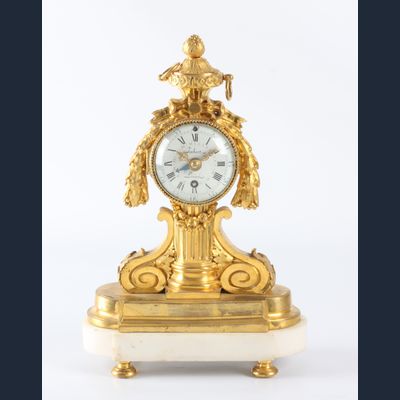
A small French Louis XVI ormolu and marble timepiece, Imbert L'aîné, circa 1765
€ 8000 $ 9169 £ 6931 ¥ 1475520 DKK 59798 CHF 7374 NOK 88840 CA$ 12951 HK$ 71862
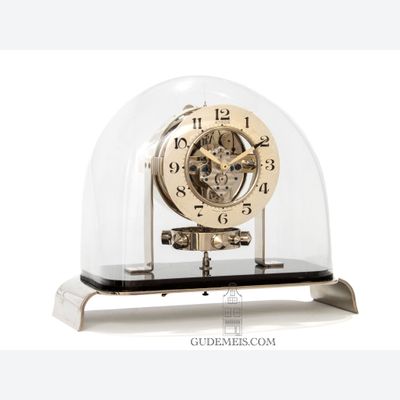
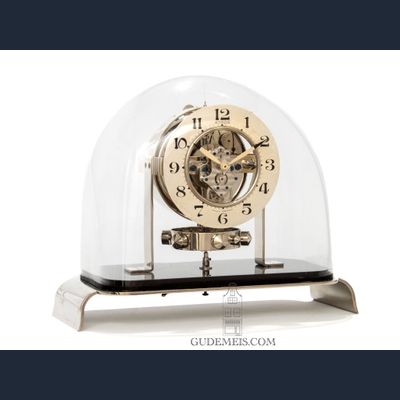
A rare French Art Deco Reutter patent atmos clock, model P01, circa 1935
€ 24000 $ 27506 £ 20793 ¥ 4426560 DKK 179393 CHF 22123 NOK 266520 CA$ 38854 HK$ 215585
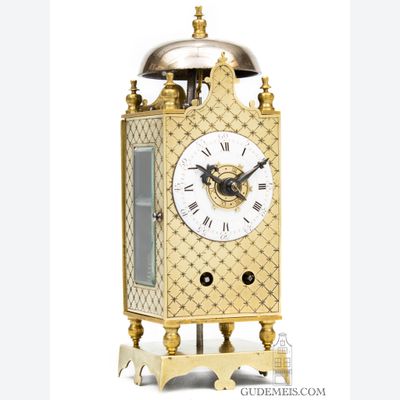
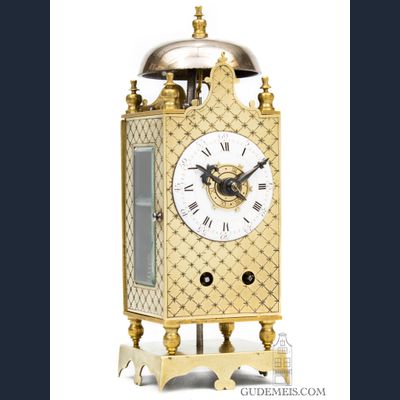
A miniature Northern French brass table lantern clock, circa 1780
€ 7800 $ 8940 £ 6758 ¥ 1438632 DKK 58303 CHF 7190 NOK 86619 CA$ 12627 HK$ 70065
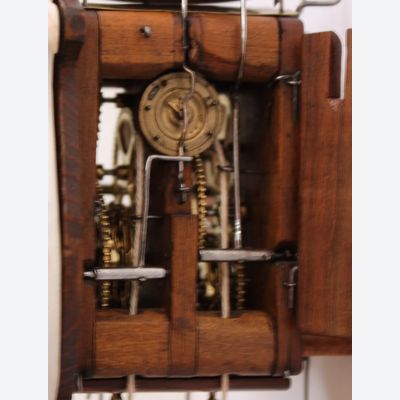
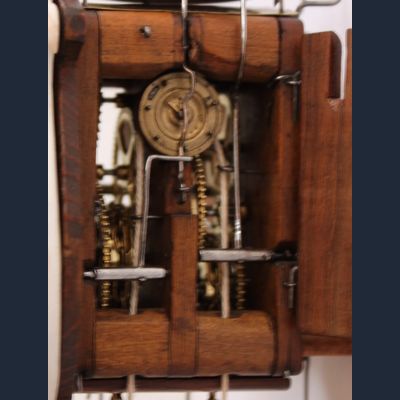
A small German 'Jockele' wall clock with alarm, circa 1860
€ 6500 $ 7450 £ 5631 ¥ 1198860 DKK 48586 CHF 5992 NOK 72182 CA$ 10523 HK$ 58388
A miniature Northern French brass table lantern clock, circa 1780
€ 7800 $ 8940 £ 6758 ¥ 1438632 DKK 58303 CHF 7190 NOK 86619 CA$ 12627 HK$ 70065
A rare French Louis XVI quarter repeating wall timepiece, Lepaute, circa 1783.
€ 16000 $ 18338 £ 13862 ¥ 2951040 DKK 119595 CHF 14749 NOK 177680 CA$ 25902 HK$ 143723
A rare French Louis XVI quarter repeating wall clock, Meunier Le Jeune, circa 1770.
€ 15000 $ 17192 £ 12996 ¥ 2766600 DKK 112120 CHF 13827 NOK 166575 CA$ 24284 HK$ 134740
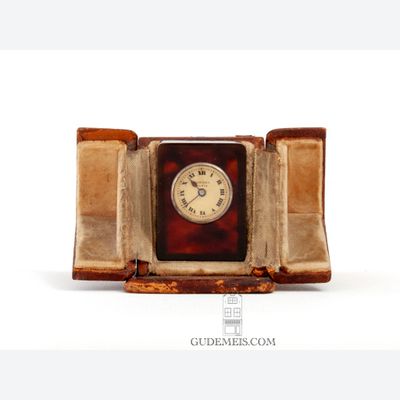
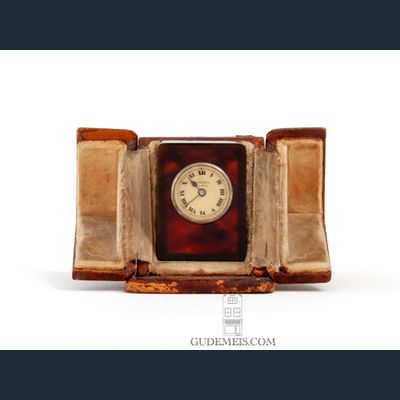
A sub miniature French Art Deco travel clock, circa 1920
€ 4250 $ 4871 £ 3682 ¥ 783870 DKK 31767 CHF 3918 NOK 47196 CA$ 6880 HK$ 38176
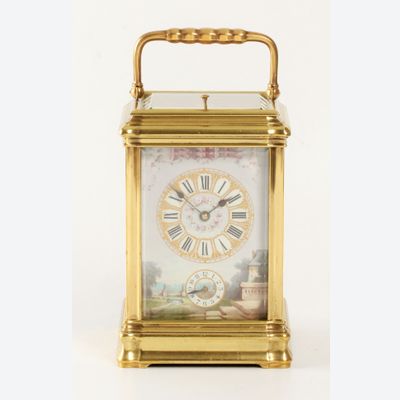
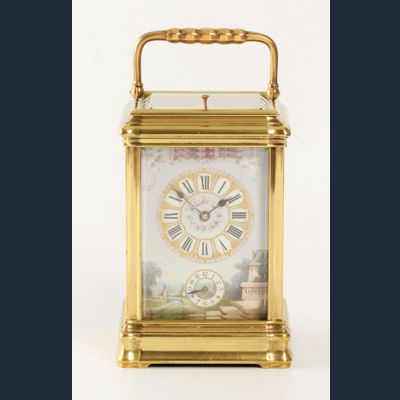
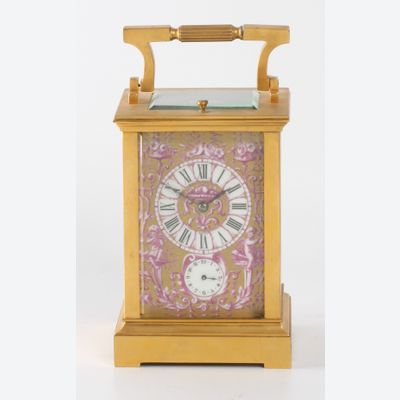
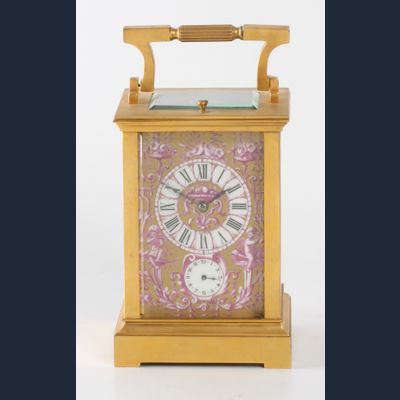
A French porcelain mounted gilt brass carriage alarm clock,circa 1880
€ 8500 $ 9742 £ 7364 ¥ 1567740 DKK 63535 CHF 7835 NOK 94392 CA$ 13761 HK$ 76353
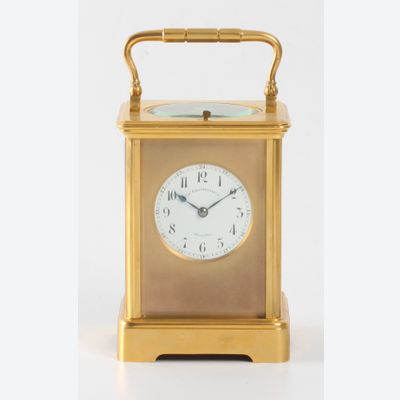
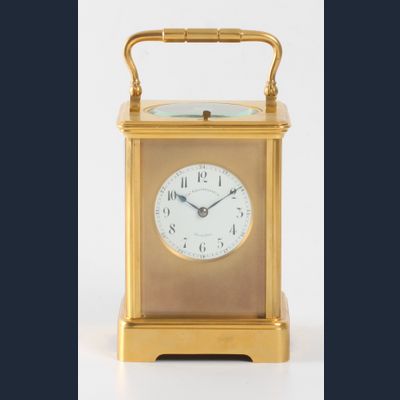
A French carriage clock with rare striking, retailer Grottendieck Brussel, circa 1880
€ 4500 $ 5157 £ 3899 ¥ 829980 DKK 33636 CHF 4148 NOK 49972 CA$ 7285 HK$ 40422
€ 8500 $ 9742 £ 7364 ¥ 1567740 DKK 63535 CHF 7835 NOK 94392 CA$ 13761 HK$ 76353
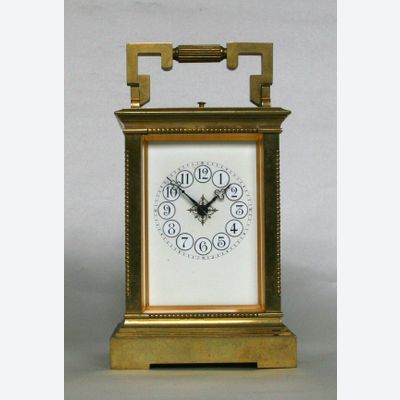
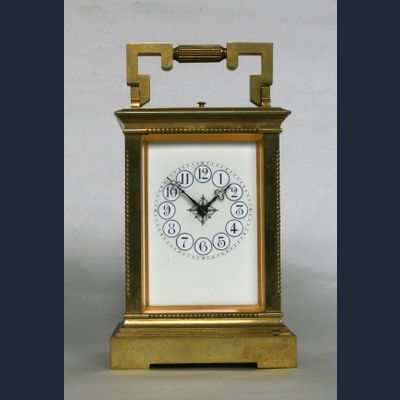
An attractive French brass Anglaise carriage clock with repeat, circa 1880.
€ 3850 $ 4412 £ 3336 ¥ 710094 DKK 28778 CHF 3549 NOK 42754 CA$ 6233 HK$ 34583
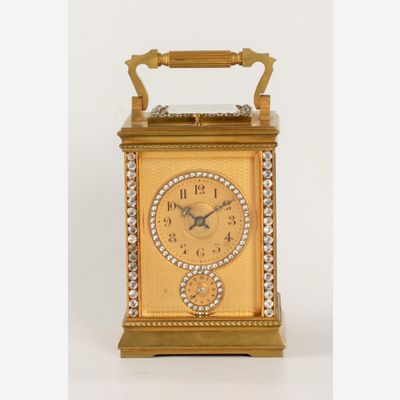
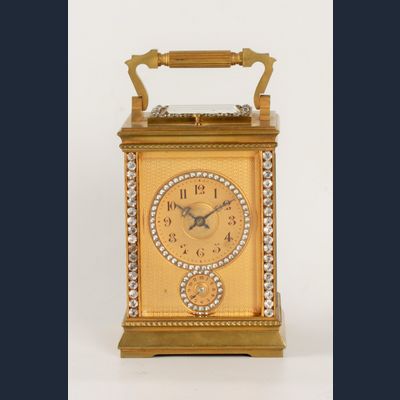
An attractive French brass paste set Anglaise carriage clock with alarm, circa 1900.
€ 4750 $ 5444 £ 4115 ¥ 876090 DKK 35505 CHF 4379 NOK 52749 CA$ 7690 HK$ 42668
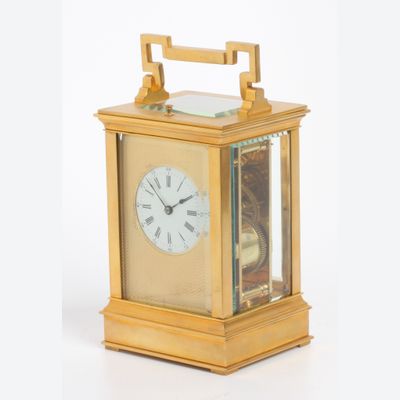
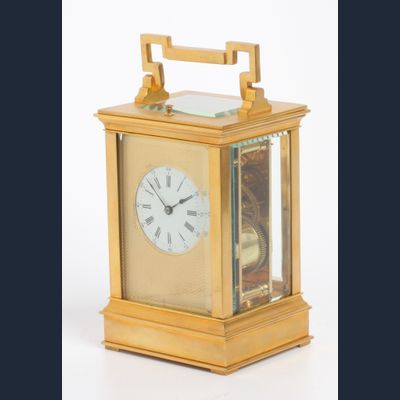
A French gilt brass Anglaise carriage clock with repeat, circa 1880.
€ 4250 $ 4871 £ 3682 ¥ 783870 DKK 31767 CHF 3918 NOK 47196 CA$ 6880 HK$ 38176
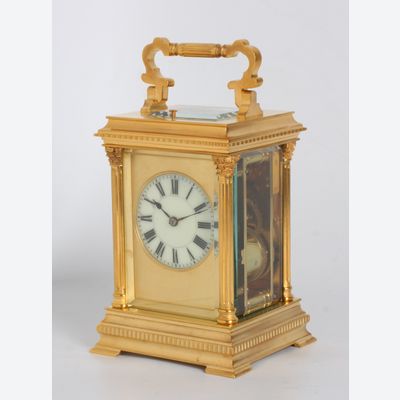
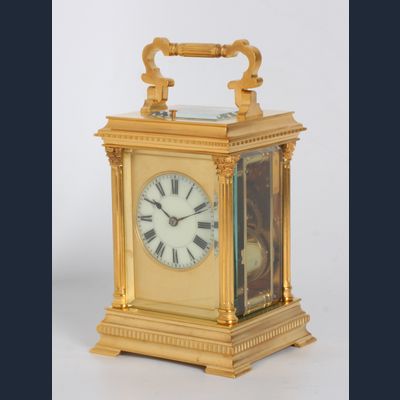
A fine French gilt brass Anglaise case repeating carriage clock by Henri Jacot, circa 1880.
€ 5250 $ 6017 £ 4548 ¥ 968310 DKK 39242 CHF 4839 NOK 58301 CA$ 8499 HK$ 47159
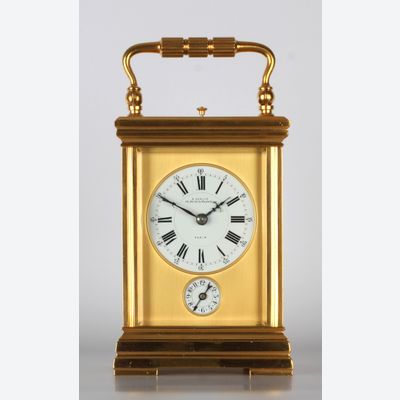
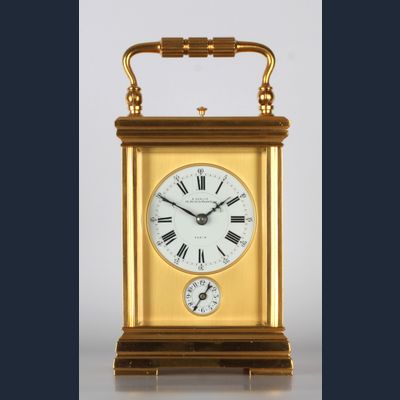
A fine French gilt brass Corniche carriage clock with quarter repeat and alarm, Ecalle, circa 1880
€ 4850 $ 5559 £ 4202 ¥ 894534 DKK 36252 CHF 4471 NOK 53859 CA$ 7852 HK$ 43566
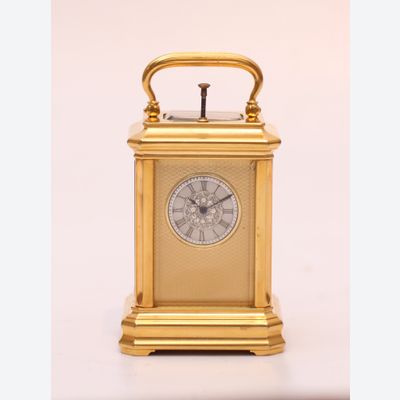
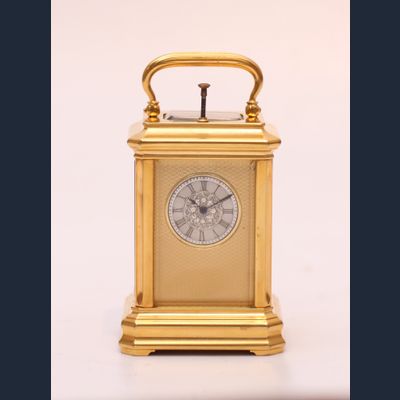
A small Swiss carriage timepiece with repetition, circa 1860
€ 6500 $ 7450 £ 5631 ¥ 1198860 DKK 48586 CHF 5992 NOK 72182 CA$ 10523 HK$ 58388
A small French glit brass travel clock by Lepine, circa 1900.
€ 5800 $ 6647 £ 5025 ¥ 1069752 DKK 43353 CHF 5346 NOK 64409 CA$ 9390 HK$ 52100
An early French carriage clock with chaff cutter escapement, Paul Garnier.
€ 8500 $ 9742 £ 7364 ¥ 1567740 DKK 63535 CHF 7835 NOK 94392 CA$ 13761 HK$ 76353
Related content