A French industrial mantel clock by Guilmet, circa 1890
€ 8000 $ 9362 £ 6930 ¥ 1465680 DKK 59773 CHF 7352 NOK 87298 CA$ 12795 HK$ 73330
Ships from The Netherlands
€ 38000 $ 44468 £ 32918 ¥ 6961980 DKK 283921 CHF 34922 NOK 414667 CA$ 60777 HK$ 348316
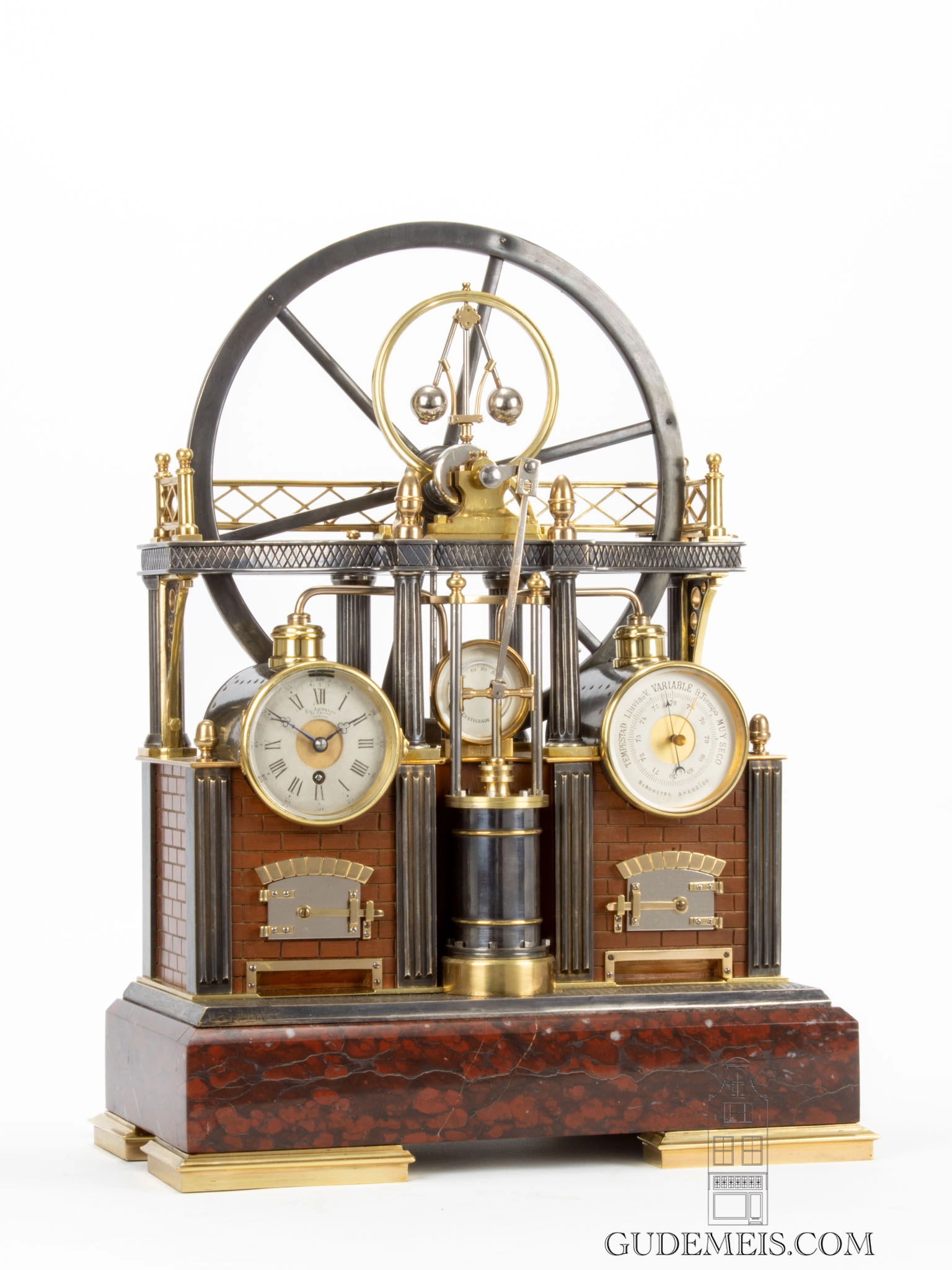
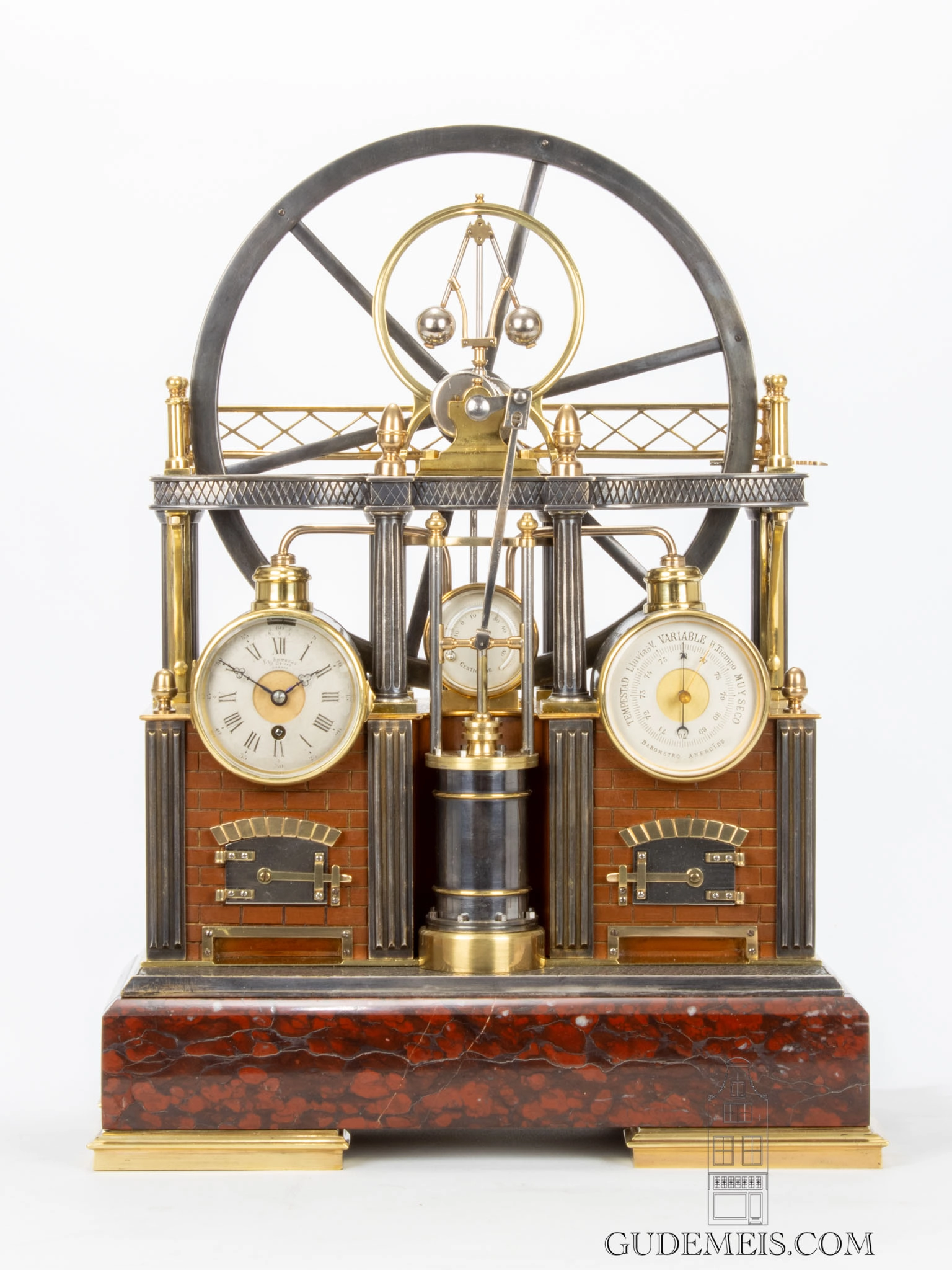
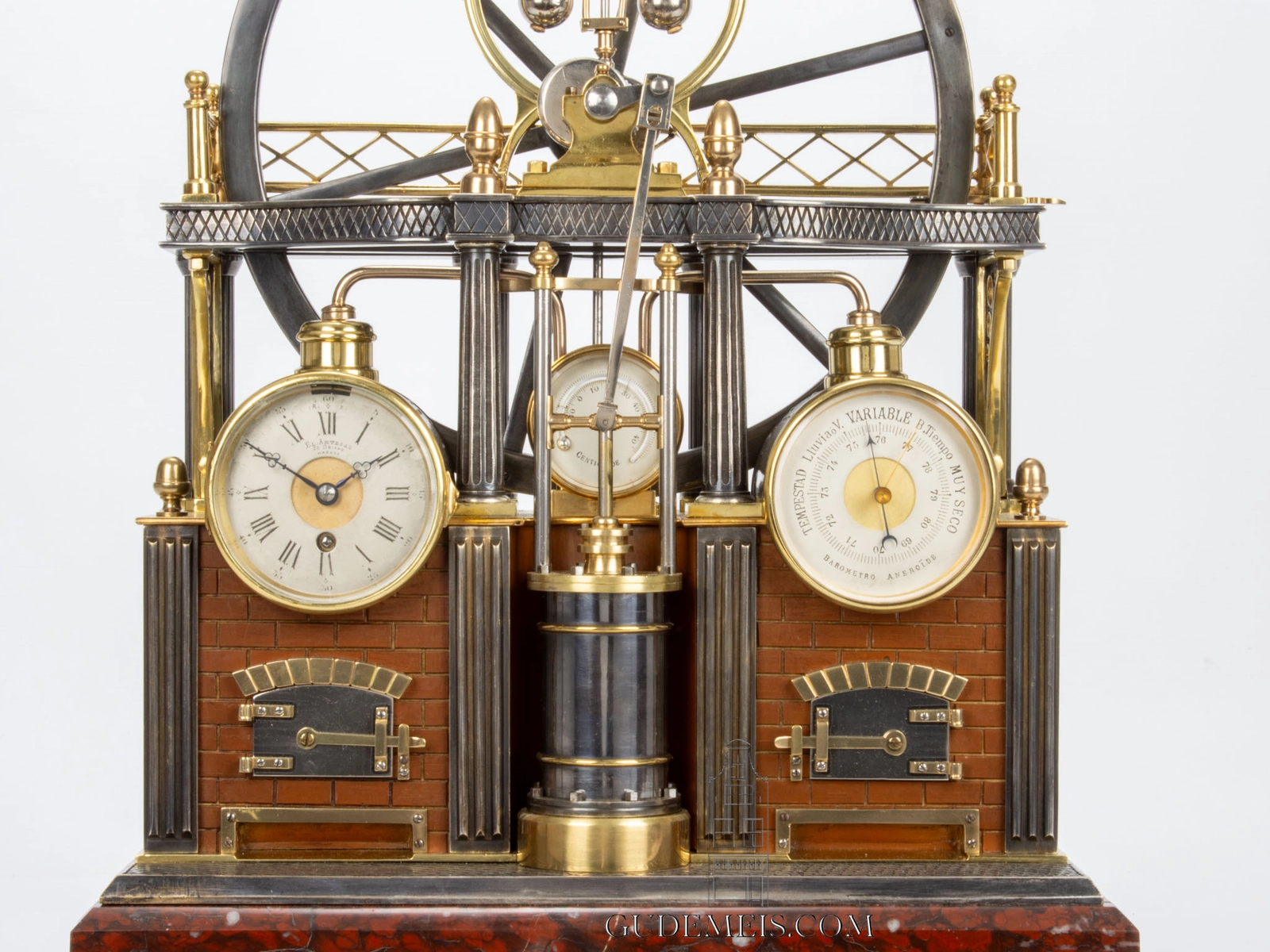
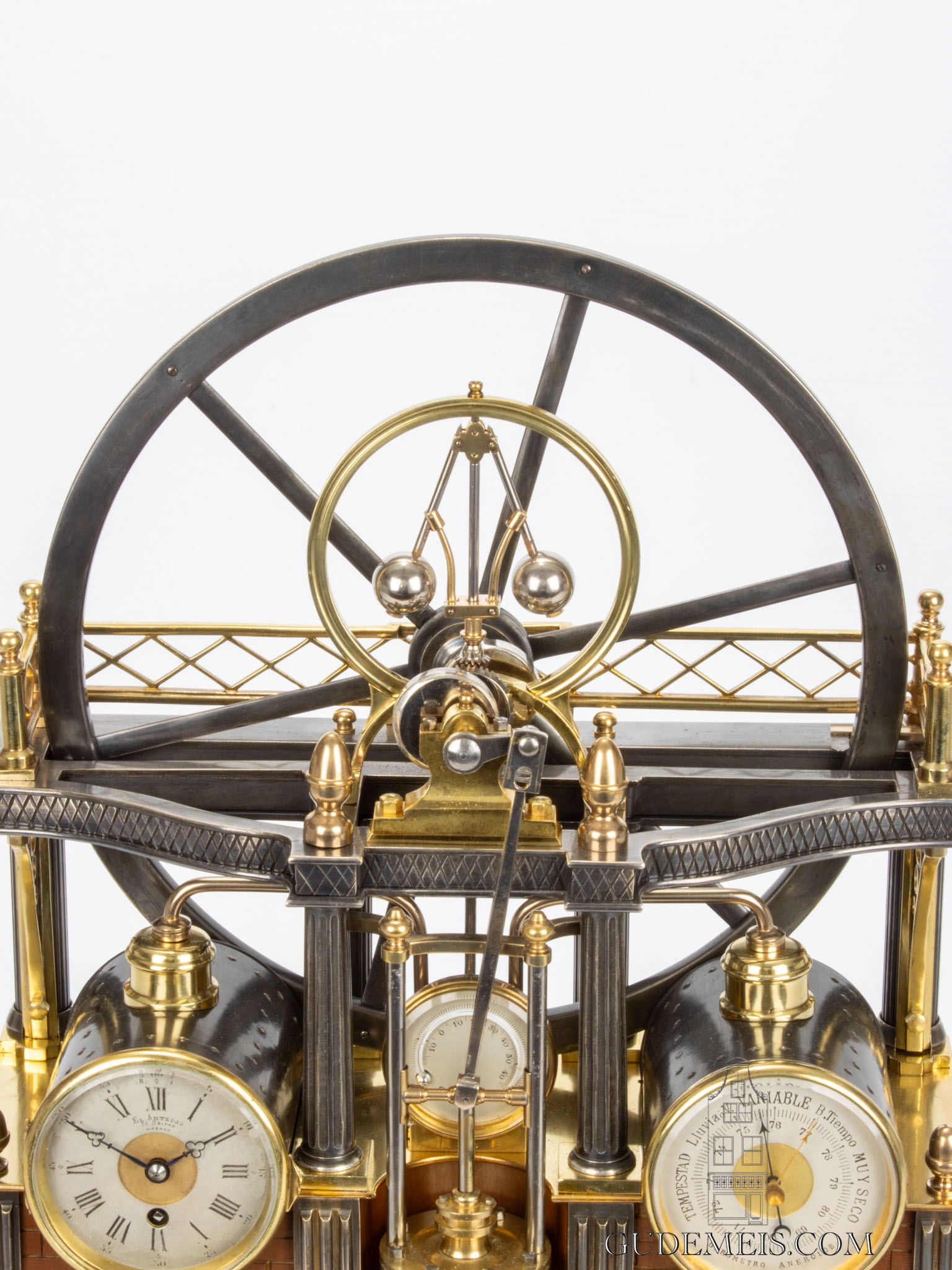
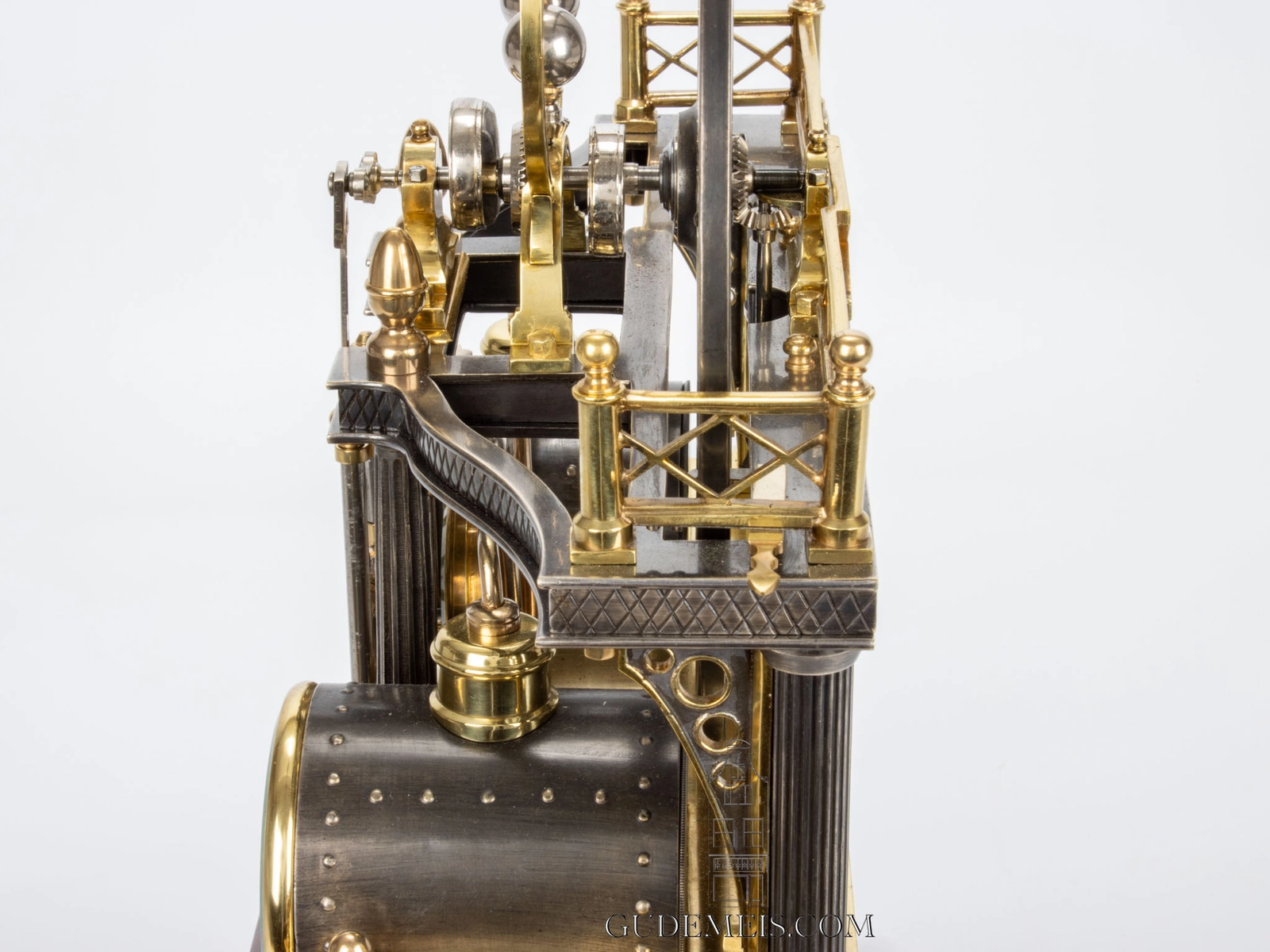
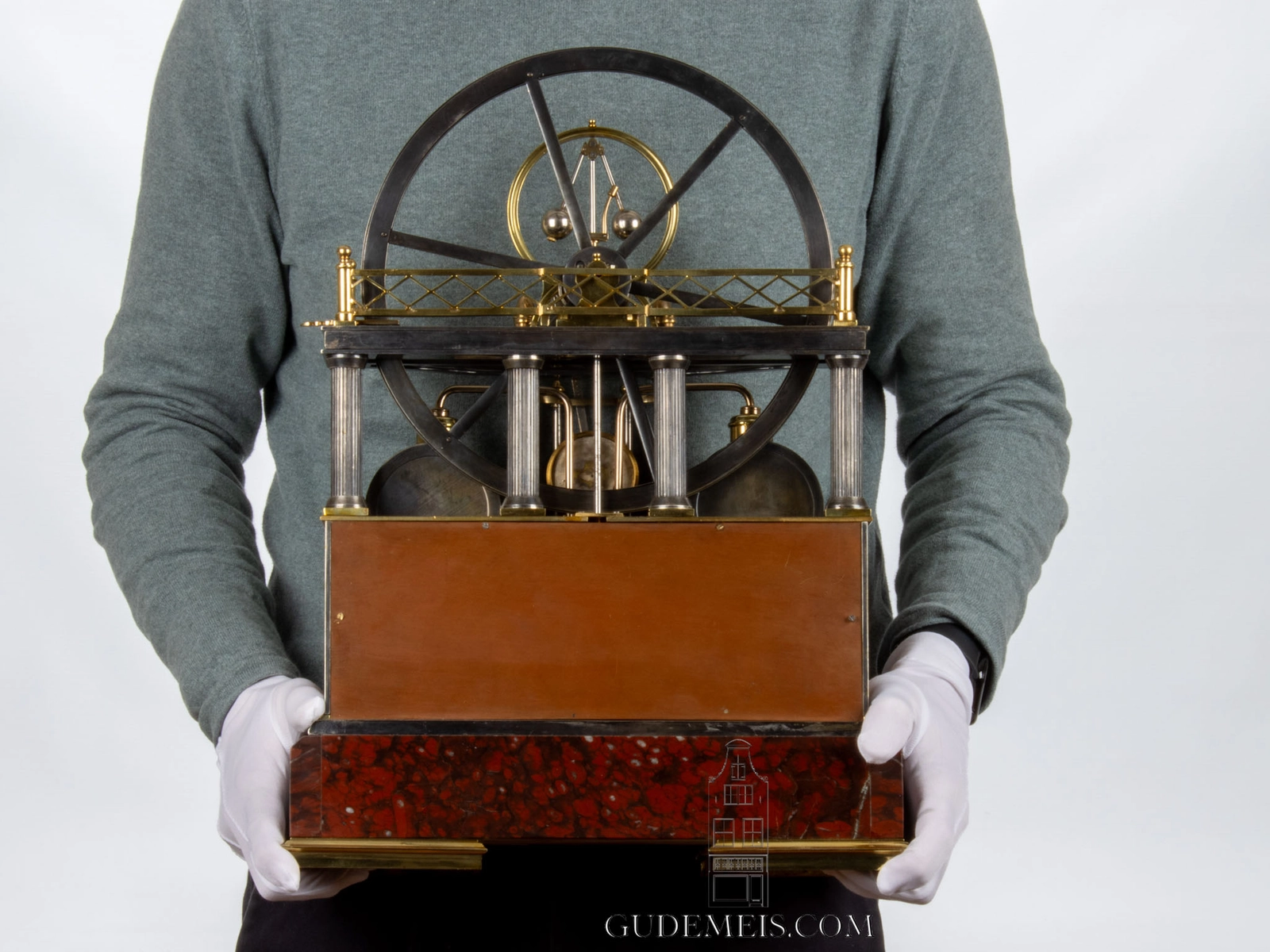
The last quarter of the 19th century saw the emergence in France of a small production of clocks that we now refer to as industrial clocks. These are clocks whose design has to do with the industrial revolution, shipping and innovation of the period. Next to the dial they often feature a barometer and thermometer. Another common feature is the marble plinth on flat brass feet. Besides the beautiful design, many of the models are equipped with an automaton. The larger modles regularly have an additional mechanism with a large spring barrel that then drives an automaton. Such is the case with this beautiful ‘boiler’. A sperate mechanism in the base drives the large flywheel with regulator and piston. It makes for an attractive spectacle that was meant to amaze and entertain. The Guilmet company was the leader in this genre, and it can be assumed that this large model was also made by this manufacturer.
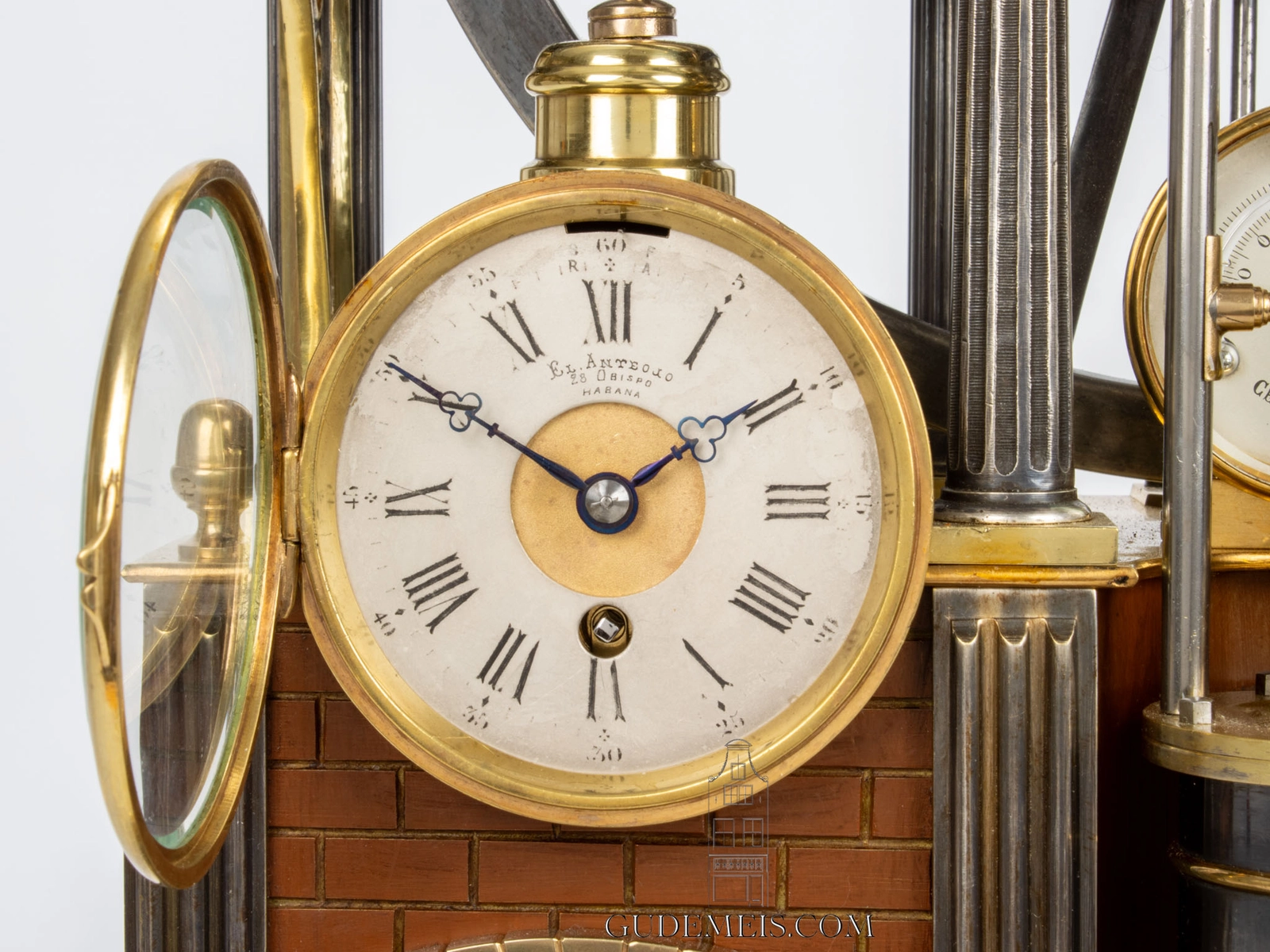
The 7-cm silvered dial has Roman numerals and is signed for the reseller El ANTEOJO 28 Obispo Habana. The trefoil hands are made of blued steel. The centre of the dial is gilt. The barometer and thermometer also have silvered plates.
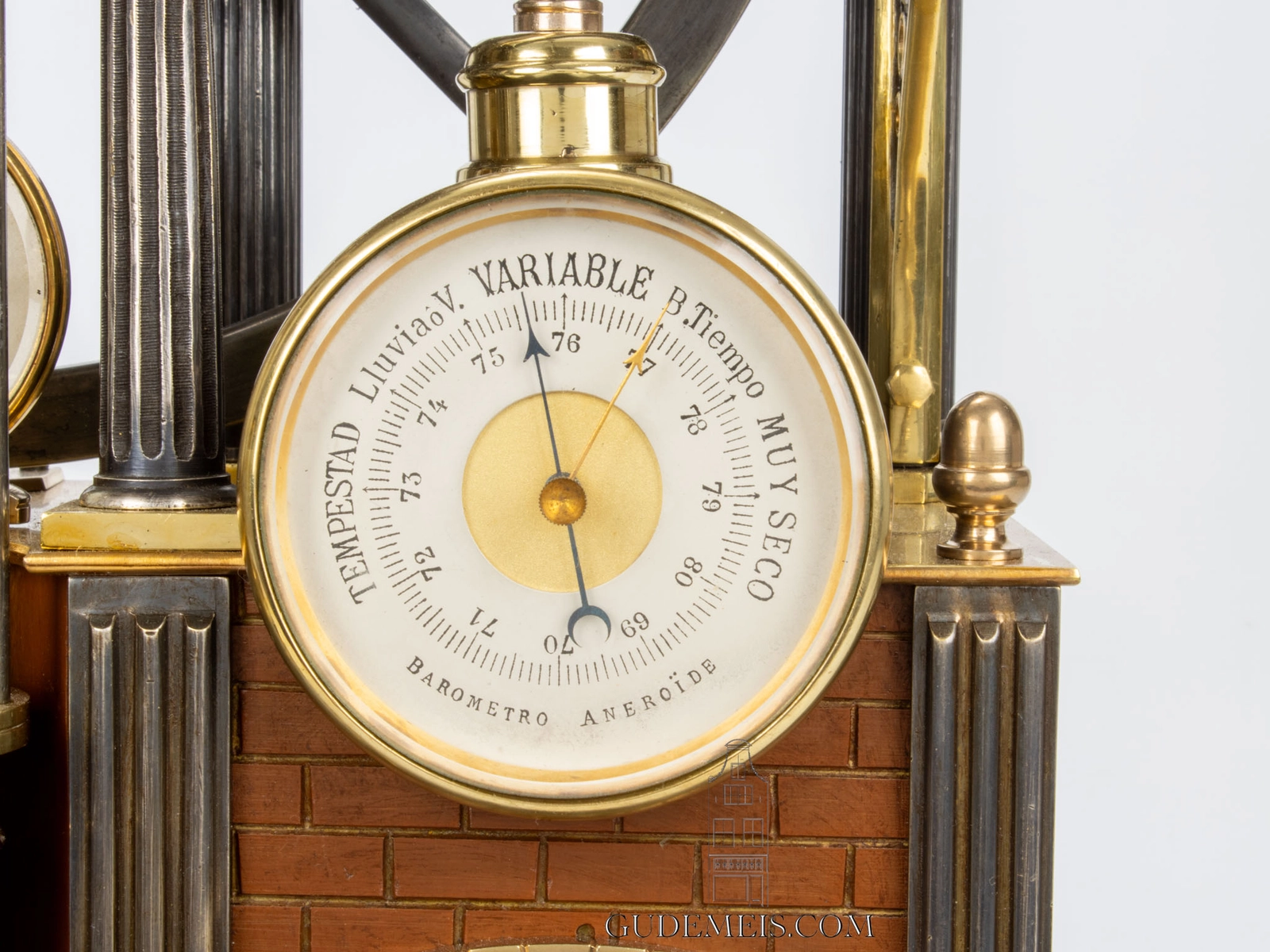
The movement is driven by a spring barrel and is of eight-day duration. It is regulated by a platform lever escapement with compensated balance. The thermometer indicates temperature in degrees Celsius. The barometer is an aneroid barometer.
.
The case is made of gilt and patinated brass and modelled like a steam engine. The movement and barometer are mounted in the boilers of a large steam engine with the furnaces underneath. Between the boilers is the thermometer with the piston in front. Centrally placed on a frame supported by columns is the regulator for the large flywheel. The assembly of flywheel, regulator and piston is driven by a separate mechanism mounted in the base, which has a duration of over two hours. The machine is mounted on a griotte rouge marble base placed on flat gilt feet.
Related content
A French industrial mantel clock by Guilmet, circa 1890
€ 8000 $ 9362 £ 6930 ¥ 1465680 DKK 59773 CHF 7352 NOK 87298 CA$ 12795 HK$ 73330
A rare French industrial mantel clock, windmill, circa 1880
€ 13500 $ 15798 £ 11694 ¥ 2473335 DKK 100867 CHF 12406 NOK 147316 CA$ 21592 HK$ 123744
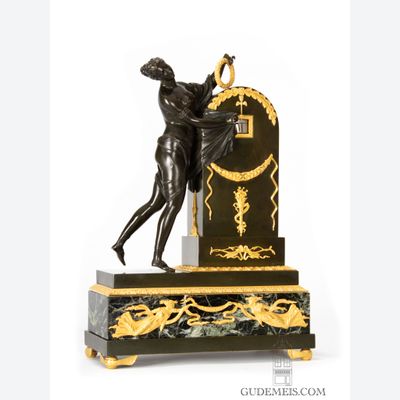
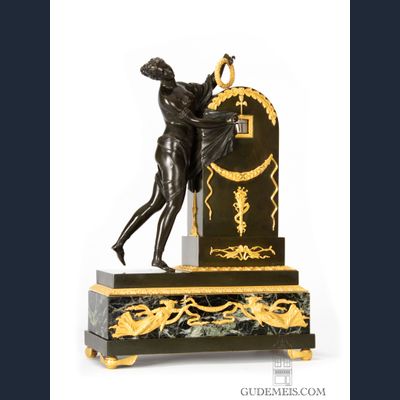
A fine French Empire mantel clock oubli du temps by Galle, circa 1810.
€ 21000 $ 24574 £ 18191 ¥ 3847410 DKK 156904 CHF 19299 NOK 229158 CA$ 33587 HK$ 192490
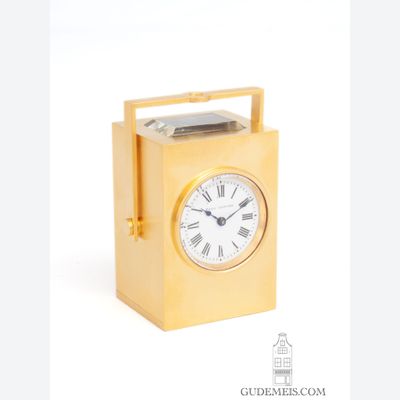
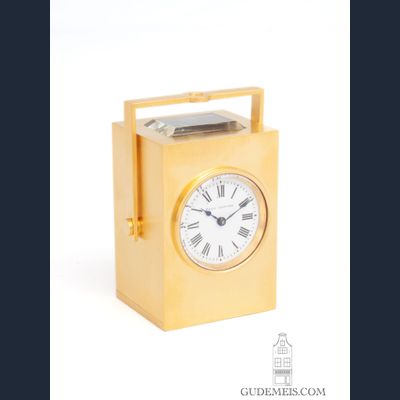
A small French gilt brass carriage clock, Paul Garnier
€ 4500 $ 5266 £ 3898 ¥ 824445 DKK 33622 CHF 4136 NOK 49105 CA$ 7197 HK$ 41248
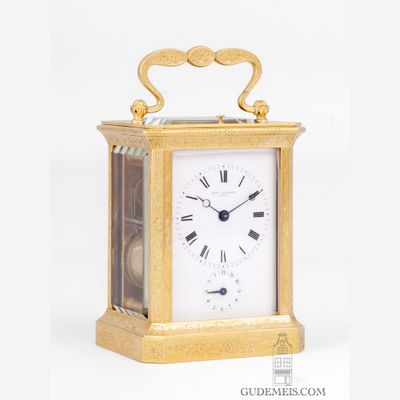
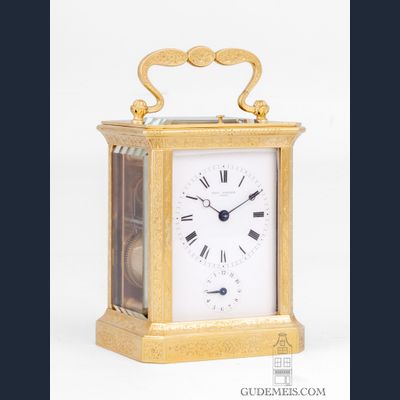
An early French carriage clock with chaff cutter escapement, Paul Garnier.
€ 8500 $ 9947 £ 7363 ¥ 1557285 DKK 63509 CHF 7812 NOK 92755 CA$ 13595 HK$ 77913
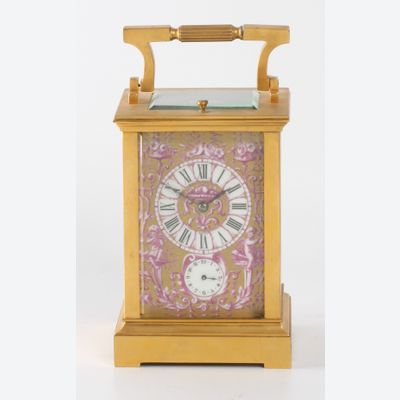
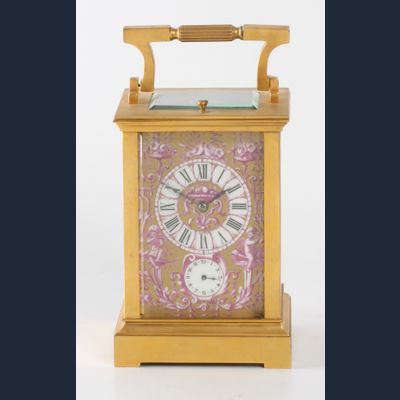
€ 8500 $ 9947 £ 7363 ¥ 1557285 DKK 63509 CHF 7812 NOK 92755 CA$ 13595 HK$ 77913
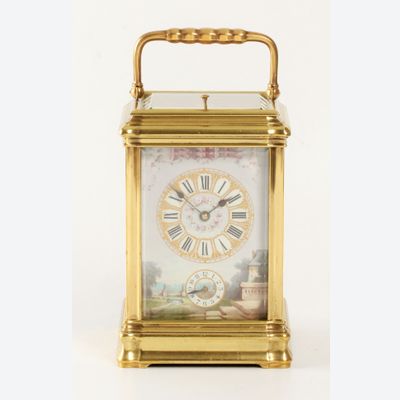
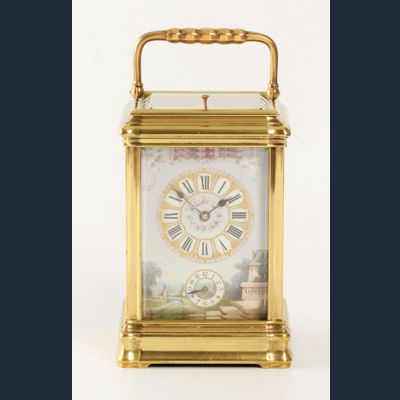
A French porcelain mounted gilt brass carriage alarm clock,circa 1880
€ 8500 $ 9947 £ 7363 ¥ 1557285 DKK 63509 CHF 7812 NOK 92755 CA$ 13595 HK$ 77913
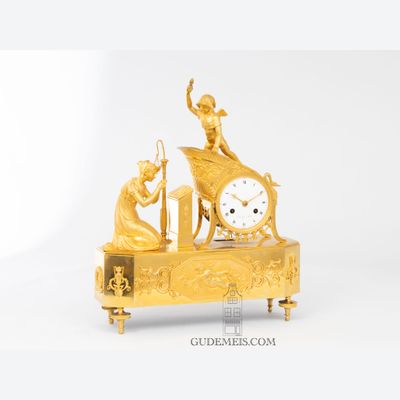
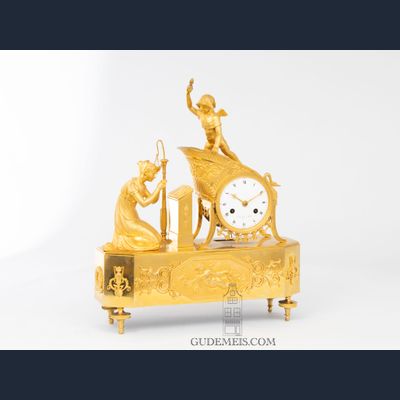
A French Empire ormolu mantel clock 'Ars Amatoria', circa 1800
€ 11000 $ 12872 £ 9529 ¥ 2015310 DKK 82188 CHF 10109 NOK 120035 CA$ 17593 HK$ 100828
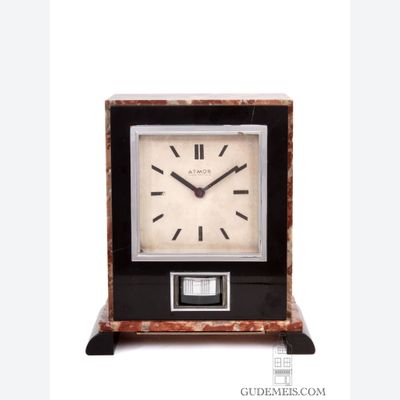
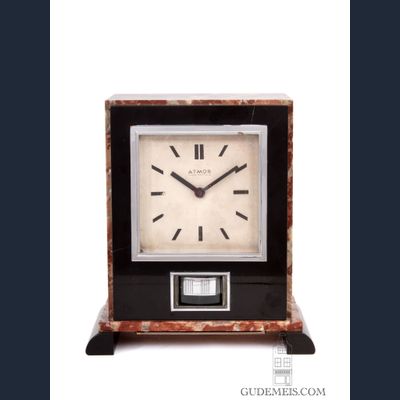
A French Art Deco marble Reutter patent atmos clock, circa 1932
€ 12500 $ 14627 £ 10828 ¥ 2290125 DKK 93395 CHF 11488 NOK 136404 CA$ 19992 HK$ 114578
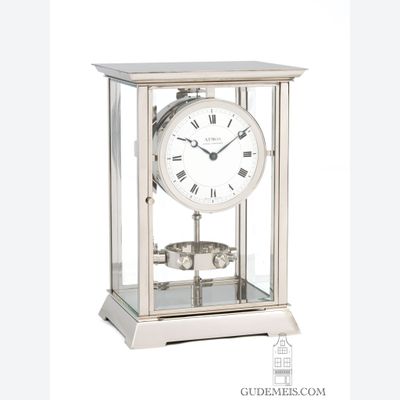
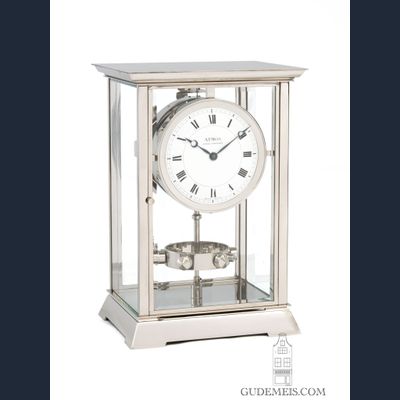
A French Art Deco nickel plated Reutter patent atmos clock, circa 1933
€ 15000 $ 17553 £ 12994 ¥ 2748150 DKK 112074 CHF 13785 NOK 163684 CA$ 23991 HK$ 137493
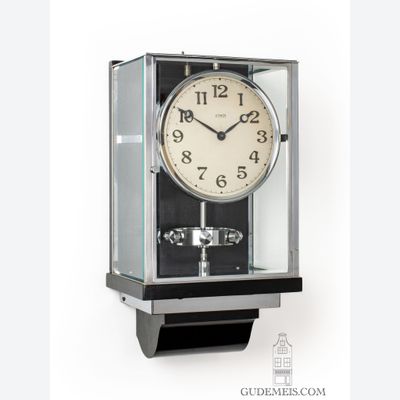
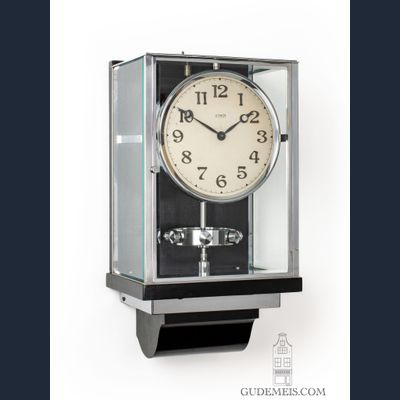
A French Art Deco Reutter patent wall atmos clock RM1, circa 1934.
€ 24000 $ 28085 £ 20790 ¥ 4397040 DKK 179318 CHF 22056 NOK 261895 CA$ 38386 HK$ 219989
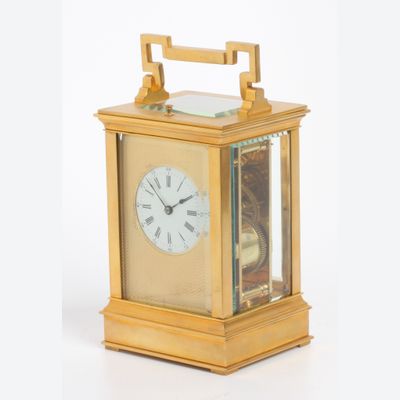
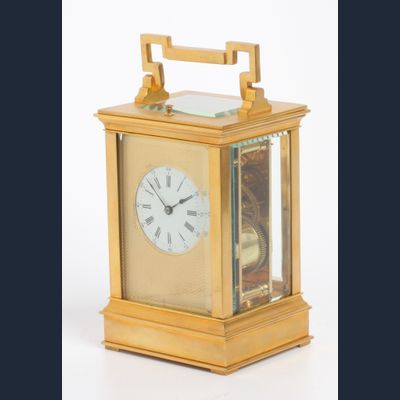
A French gilt brass Anglaise carriage clock with repeat, circa 1880.
€ 4250 $ 4973 £ 3682 ¥ 778642 DKK 31754 CHF 3906 NOK 46377 CA$ 6797 HK$ 38956
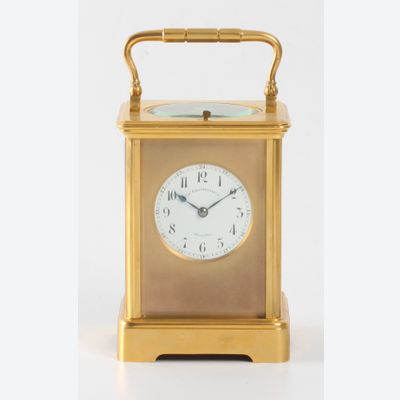
A French carriage clock with rare striking, retailer Grottendieck Brussel, circa 1880
€ 4500 $ 5266 £ 3898 ¥ 824445 DKK 33622 CHF 4136 NOK 49105 CA$ 7197 HK$ 41248
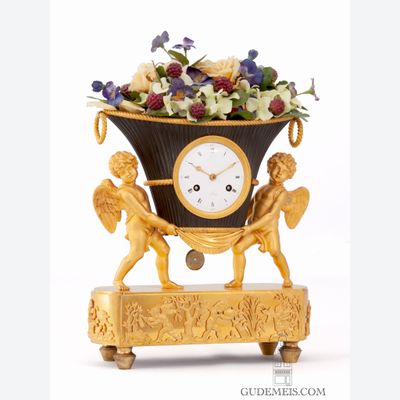
A French Empire ormolu and bronze mantel clock, putti with flower urn, circa 1800
€ 9500 $ 11117 £ 8229 ¥ 1740495 DKK 70980 CHF 8730 NOK 103667 CA$ 15194 HK$ 87079
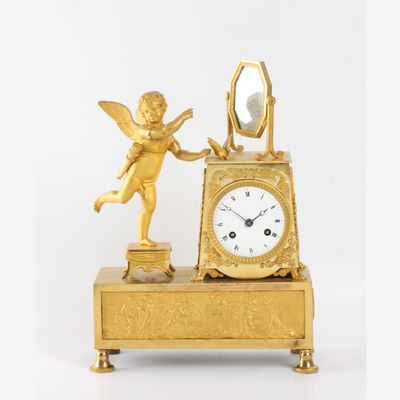
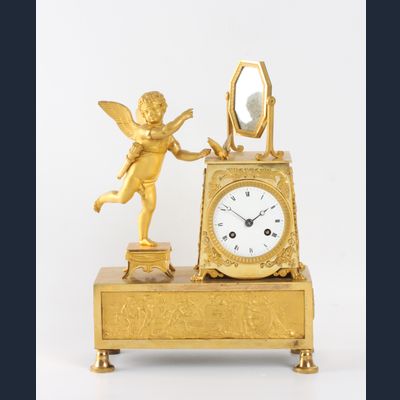
A French Empire ormolu sculptural mantel clock, circa 1810
€ 7500 $ 8776 £ 6497 ¥ 1374075 DKK 56037 CHF 6892 NOK 81842 CA$ 11996 HK$ 68746
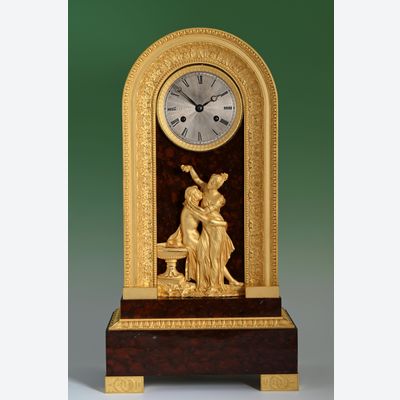
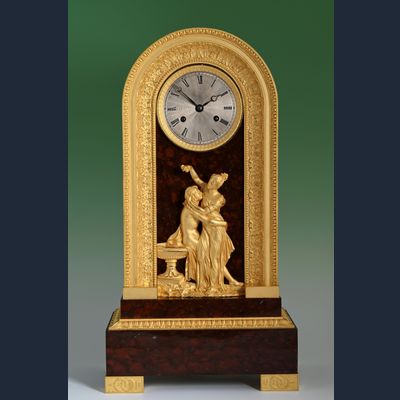
A French Empire ormolu pendule
€ 4750 $ 5558 £ 4115 ¥ 870248 DKK 35490 CHF 4365 NOK 51833 CA$ 7597 HK$ 43539
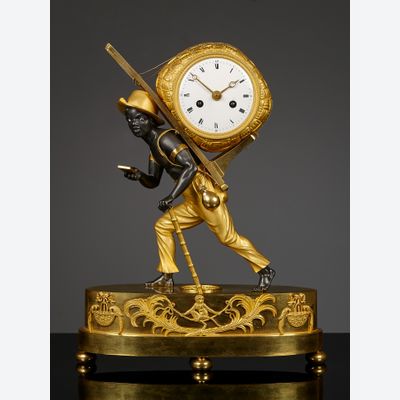
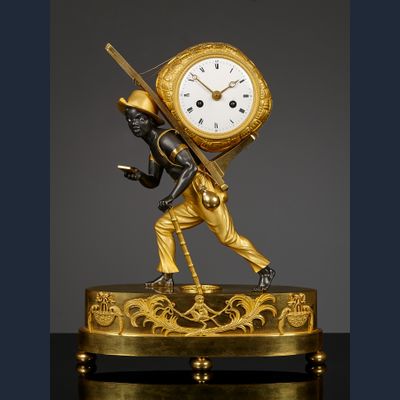
French Empire pendule, Le Portefaix
Price on request Price on request Price on request Price on request Price on request Price on request Price on request Price on request Price on request
A French Empire ormolu mantel clock 'Ars Amatoria', circa 1800
€ 11000 $ 12872 £ 9529 ¥ 2015310 DKK 82188 CHF 10109 NOK 120035 CA$ 17593 HK$ 100828
A fine French Empire mantel clock oubli du temps by Galle, circa 1810.
€ 21000 $ 24574 £ 18191 ¥ 3847410 DKK 156904 CHF 19299 NOK 229158 CA$ 33587 HK$ 192490
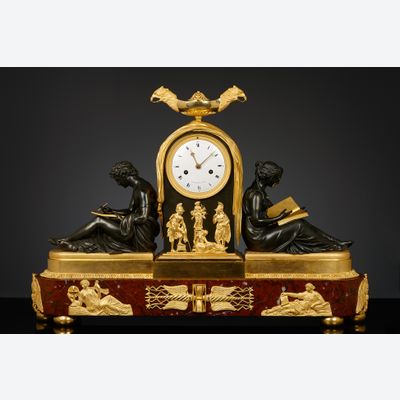
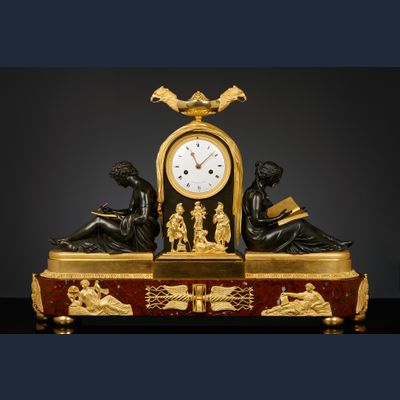
French Empire Mantel Clock, l'étude et le philosophie
Price on request Price on request Price on request Price on request Price on request Price on request Price on request Price on request Price on request
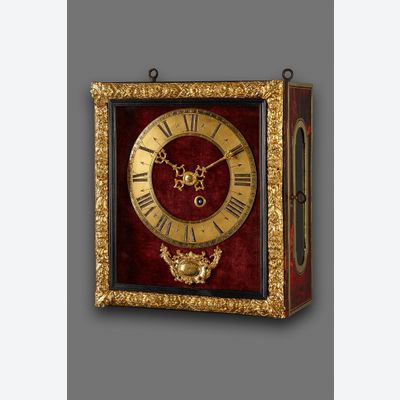
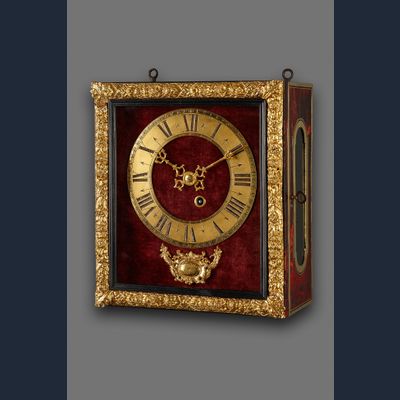
French Louis XIV Pendule Réligieuse
Price on request Price on request Price on request Price on request Price on request Price on request Price on request Price on request Price on request
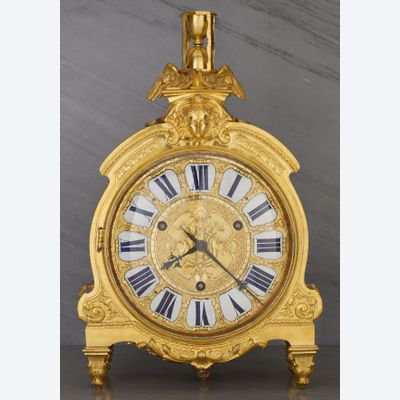
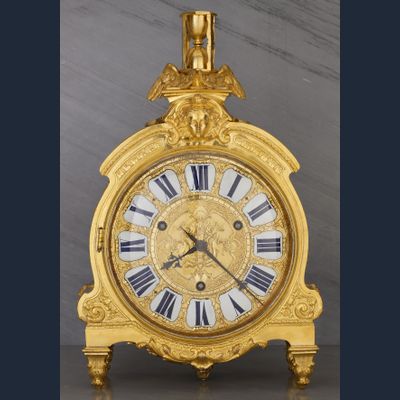
French Régence Pendule de Cartonnier
Price on request Price on request Price on request Price on request Price on request Price on request Price on request Price on request Price on request
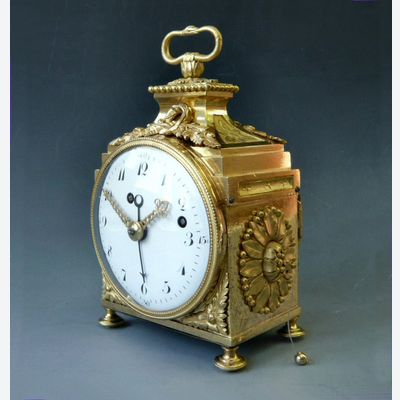
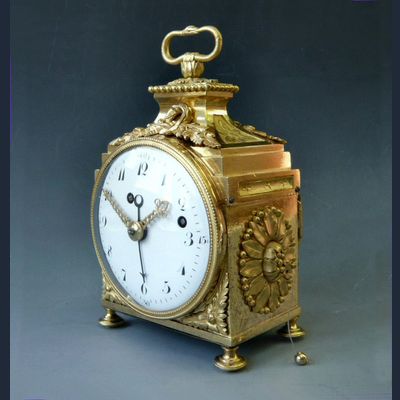
A Louis XVI pendule d'officier, a Swiss travelling clock made around 1780-90.
Price on request Price on request Price on request Price on request Price on request Price on request Price on request Price on request Price on request
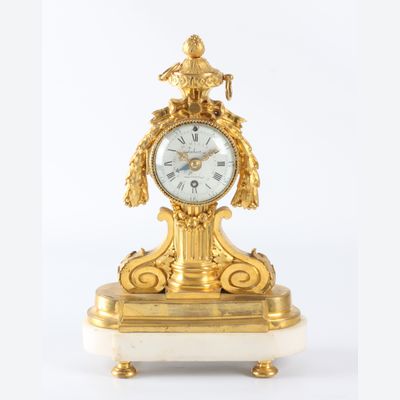
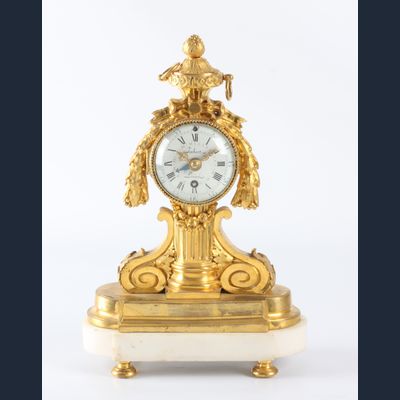
A small French Louis XVI ormolu and marble timepiece, Imbert L'aîné, circa 1765
€ 8000 $ 9362 £ 6930 ¥ 1465680 DKK 59773 CHF 7352 NOK 87298 CA$ 12795 HK$ 73330
A French Empire ormolu and bronze mantel clock, putti with flower urn, circa 1800
€ 9500 $ 11117 £ 8229 ¥ 1740495 DKK 70980 CHF 8730 NOK 103667 CA$ 15194 HK$ 87079
A French Empire ormolu sculptural mantel clock, circa 1810
€ 7500 $ 8776 £ 6497 ¥ 1374075 DKK 56037 CHF 6892 NOK 81842 CA$ 11996 HK$ 68746


A lovely French Empire porcelain urn mantel clock, circa 1800
€ 13500 $ 15798 £ 11694 ¥ 2473335 DKK 100867 CHF 12406 NOK 147316 CA$ 21592 HK$ 123744
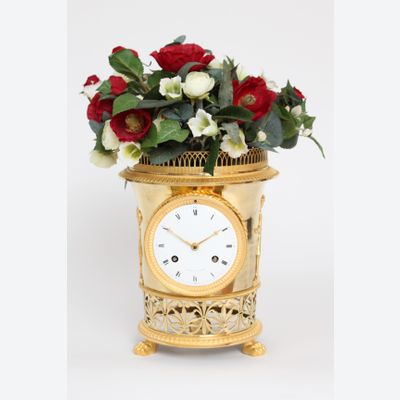
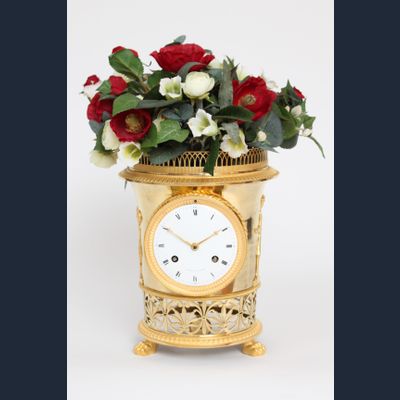
A fine French Empire ormolu urn mantel clock, Angevin A Paris, circa 1800
€ 12500 $ 14627 £ 10828 ¥ 2290125 DKK 93395 CHF 11488 NOK 136404 CA$ 19992 HK$ 114578
A French industrial mantel clock by Guilmet, circa 1890
€ 8000 $ 9362 £ 6930 ¥ 1465680 DKK 59773 CHF 7352 NOK 87298 CA$ 12795 HK$ 73330
A rare French industrial mantel clock, windmill, circa 1880
€ 13500 $ 15798 £ 11694 ¥ 2473335 DKK 100867 CHF 12406 NOK 147316 CA$ 21592 HK$ 123744