Mark Drenth
5 years ago
Beautiful Shop 🤩
Ships from The Netherlands
€ 4500 $ 5047 £ 3781 ¥ 798030 DKK 33636 CHF 4157 NOK 47360 CA$ 7091 HK$ 39610
Message the seller
Limburg Antiquairs
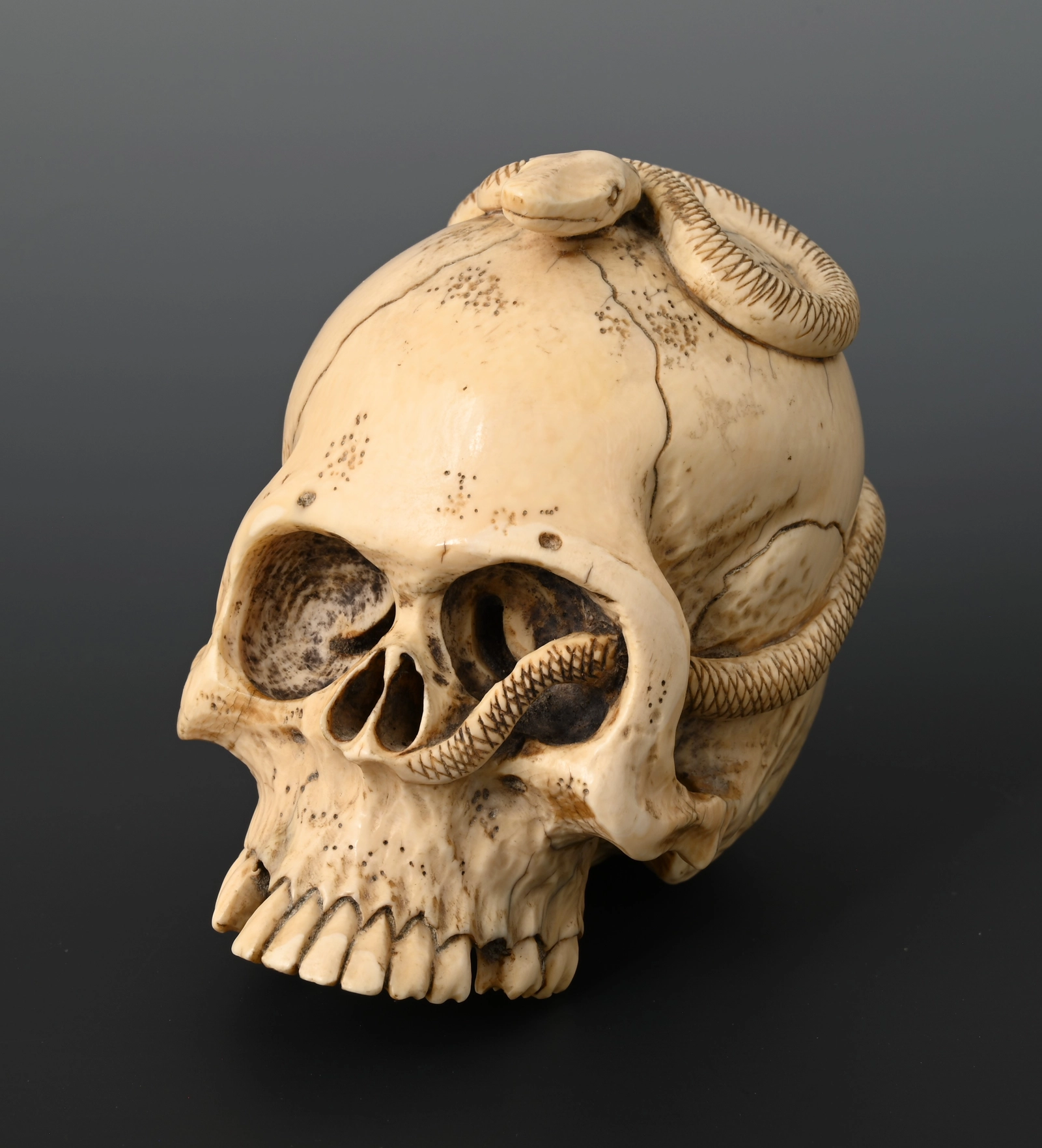
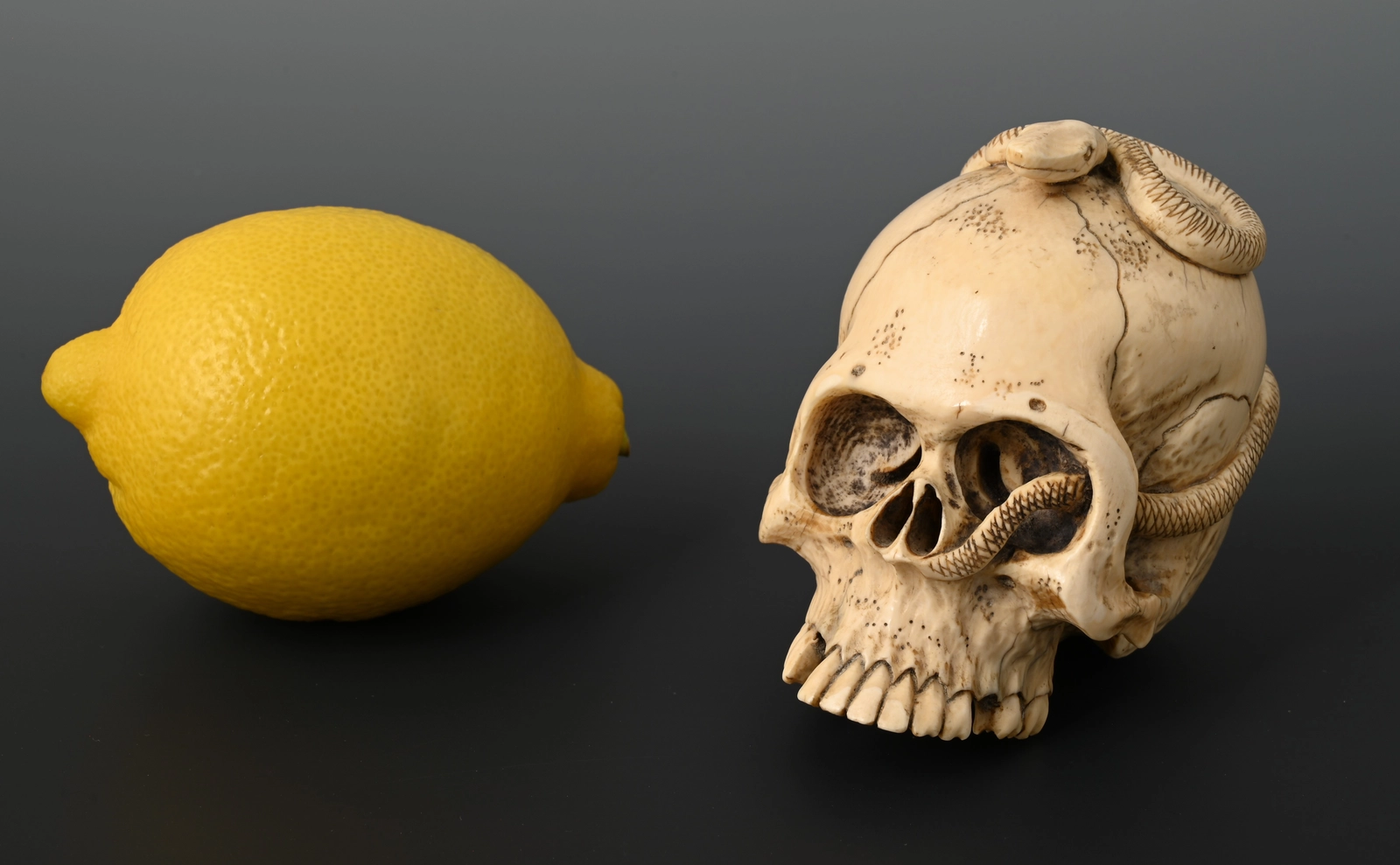
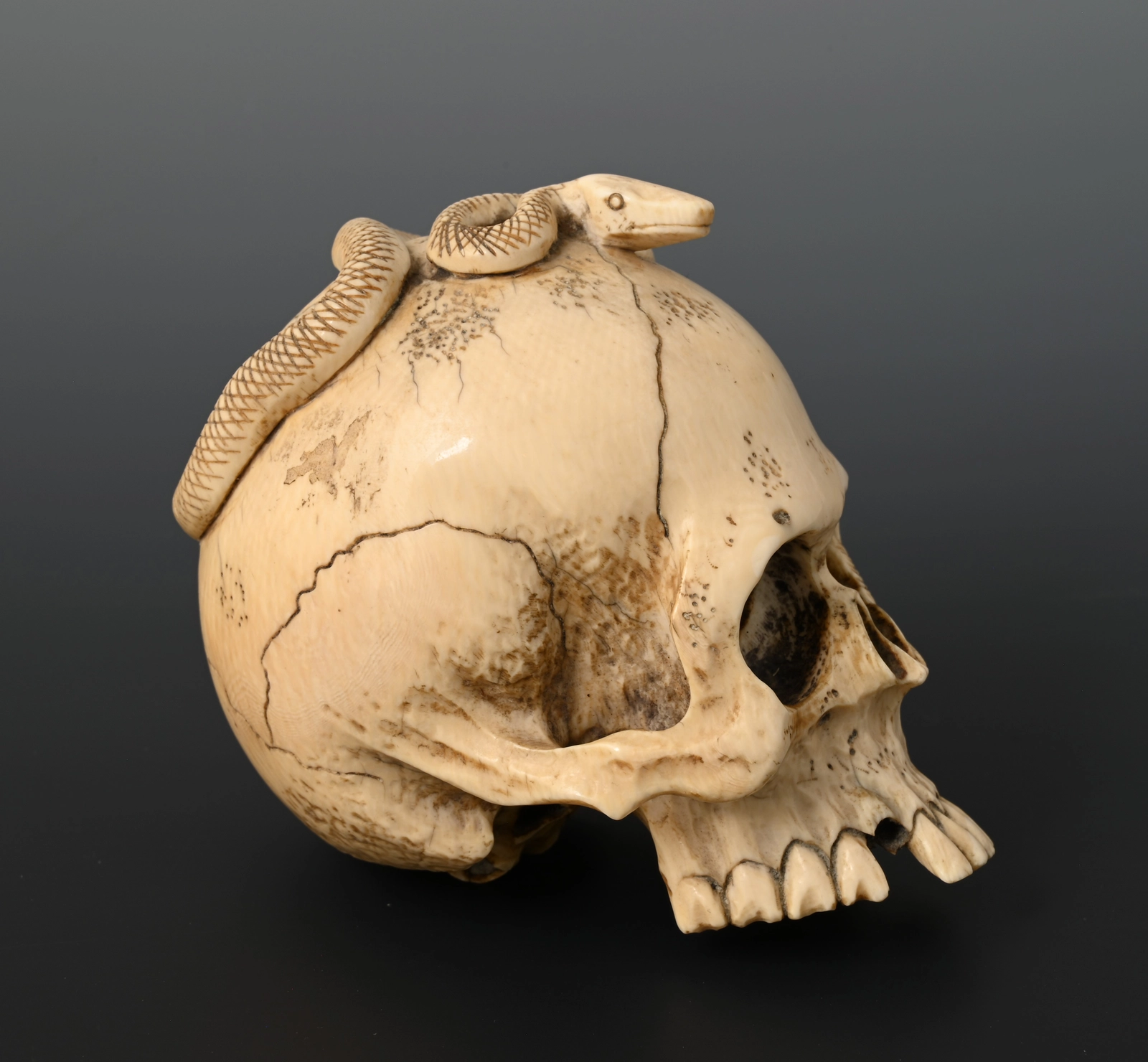
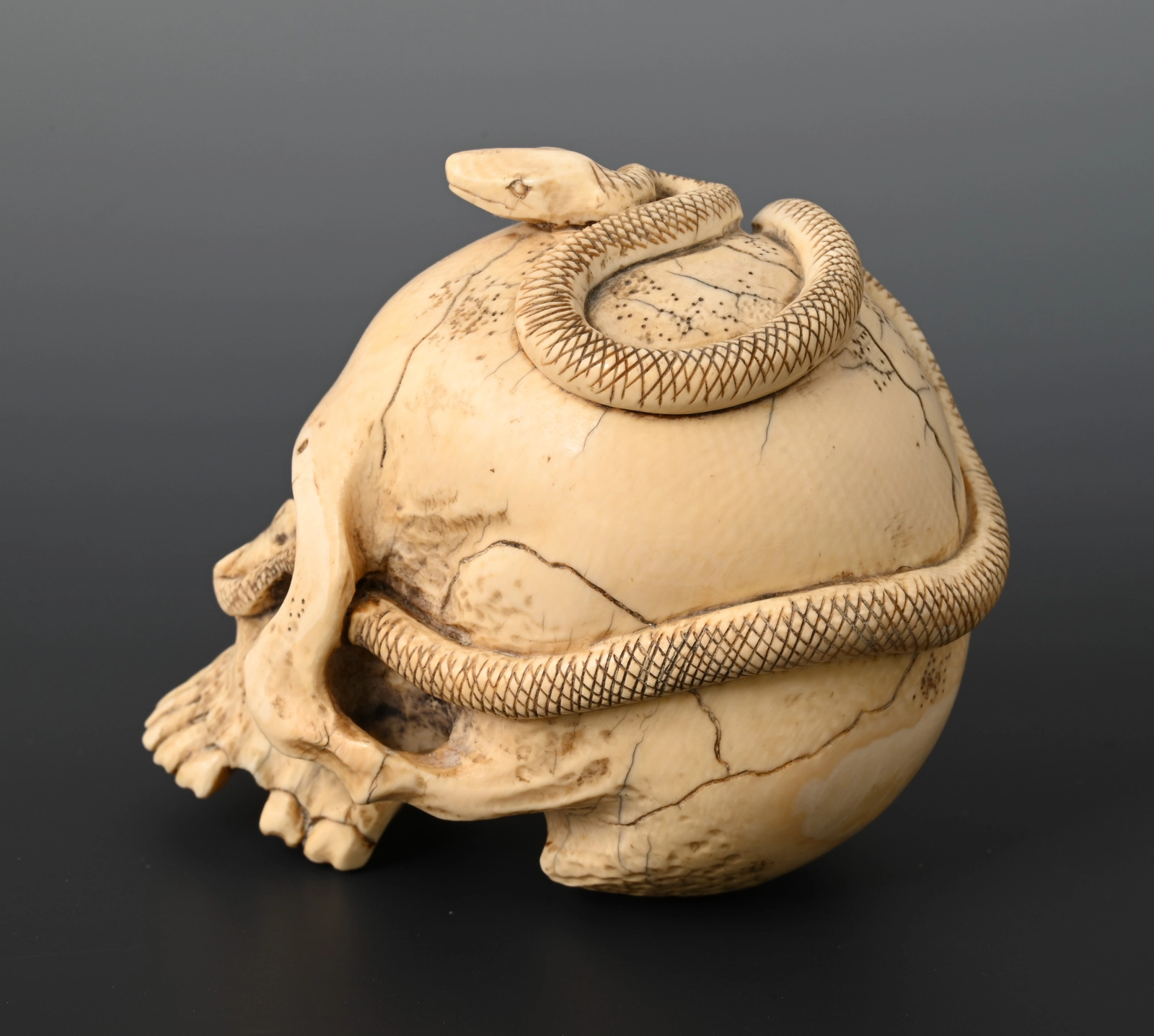
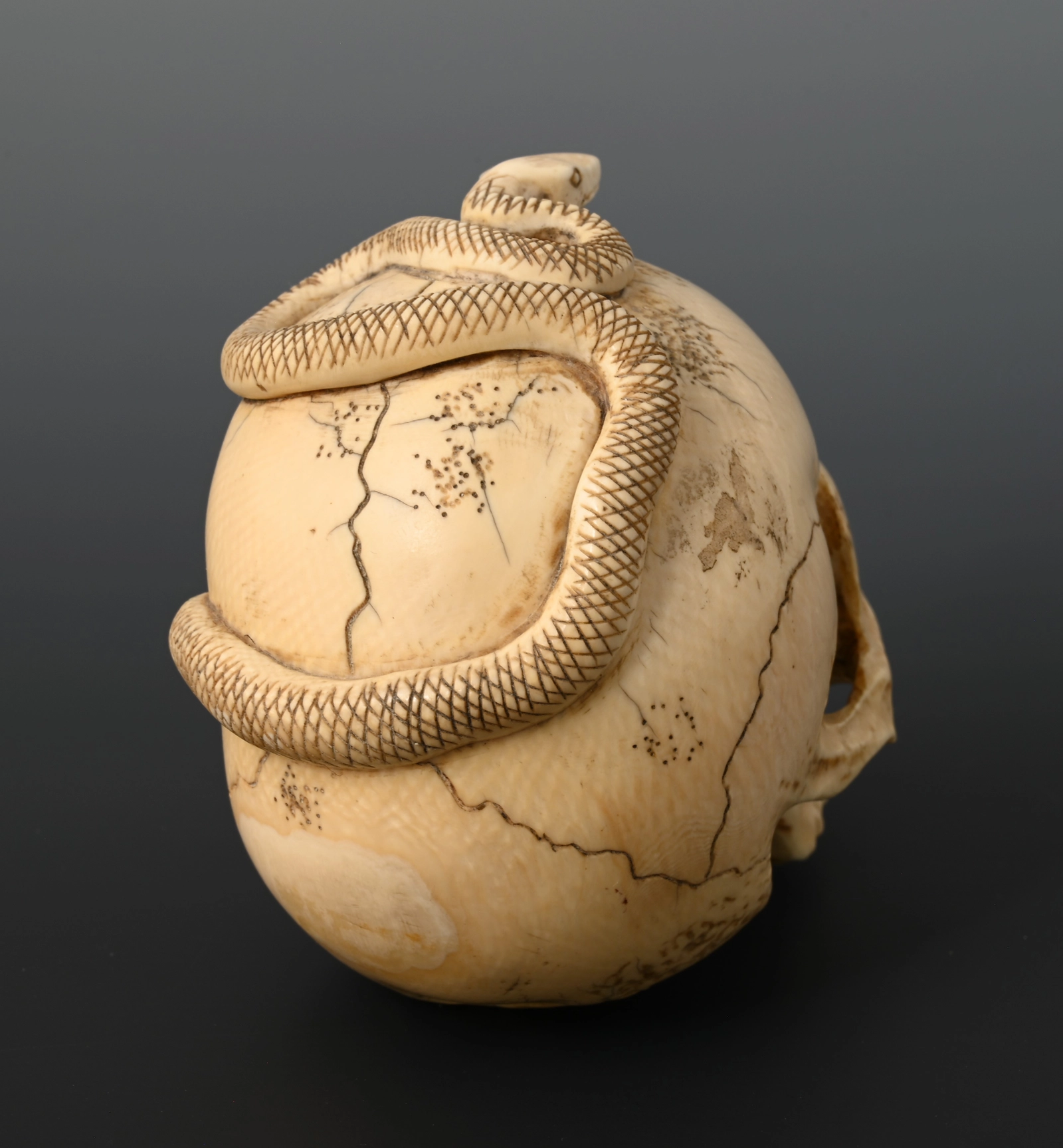
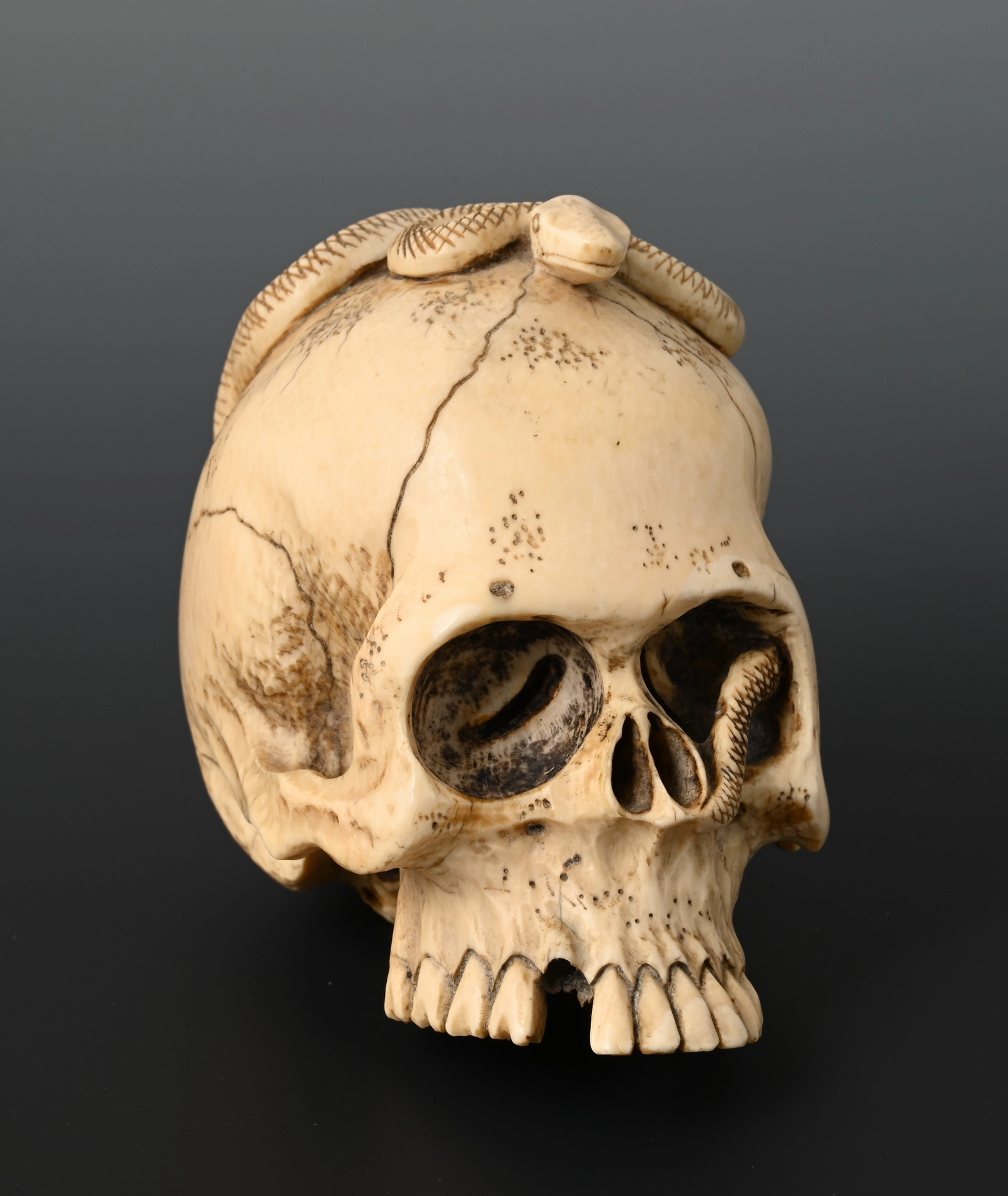
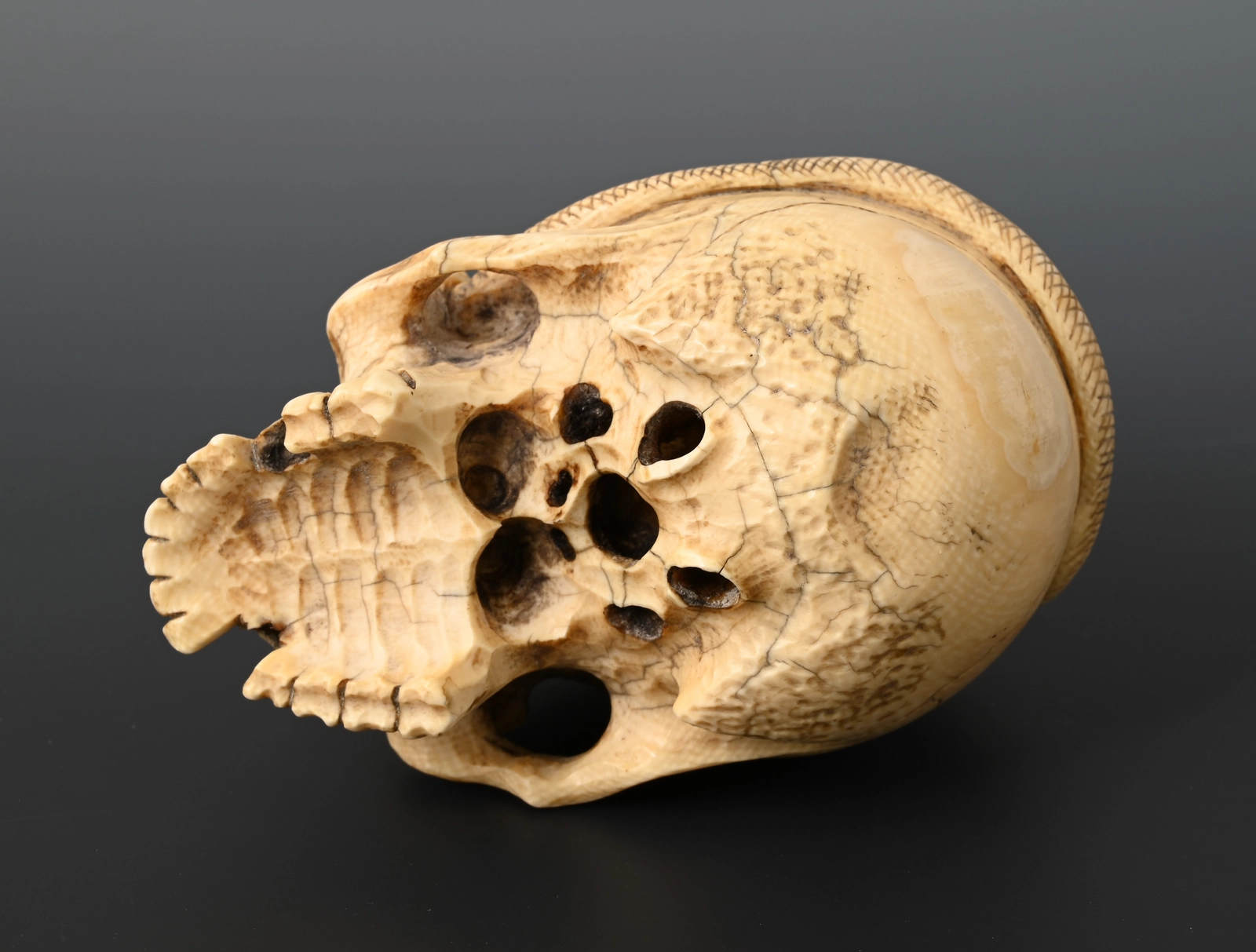
The skull symbolizes the Latin motto "memento mori" which stands for "remember to die." It reminds the possessor of his mortality and the brevity of his life. In the 17th and 18th centuries, many vanitas symbols were used in art to express the emptiness and impermanence of life with the counterpart of "carpe diem," which stands for "seize the day," the exuberant celebration of life. The private possession of a skull, in this case made of ivory, reminded the owner that he was not divine, but mortal. The skull served as a warning or could make you think about how to live better. Such objects, from small to large, were often kept in art cabinets or study rooms, to display and serve as subjects of conversation.
Japan, Meiji period, 1896-1912
With CITES certificate no. 23NL316613/20
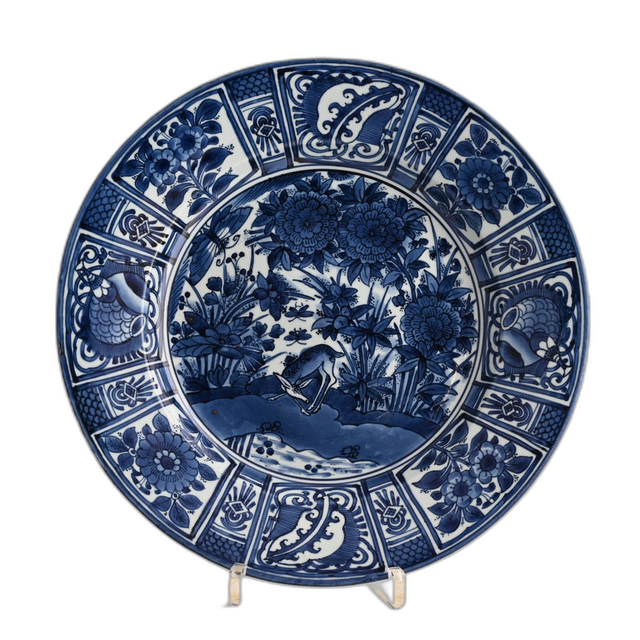
€ 2250 $ 2523 £ 1891 ¥ 399015 DKK 16818 CHF 2078 NOK 23680 CA$ 3546 HK$ 19805
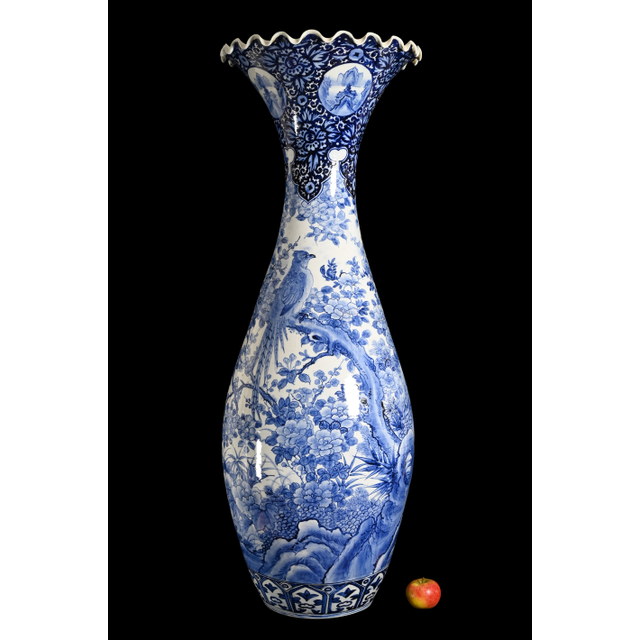
€ 850 $ 953 £ 714 ¥ 150739 DKK 6353 CHF 785 NOK 8946 CA$ 1339 HK$ 7482
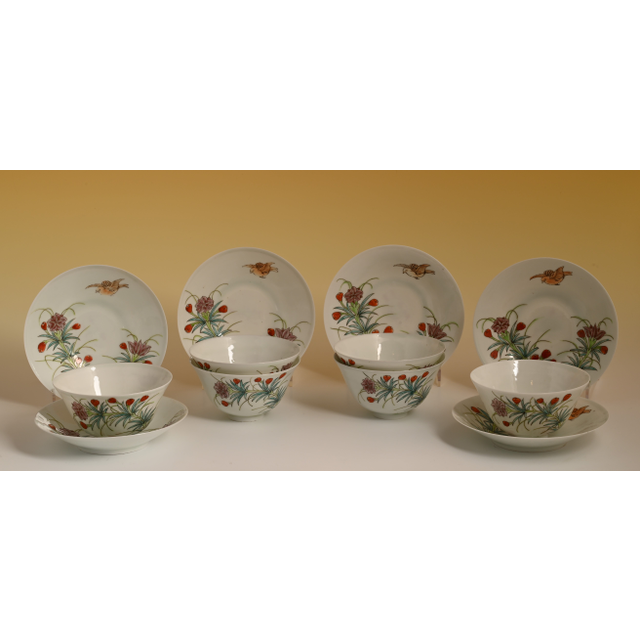
€ 300 $ 336 £ 252 ¥ 53202 DKK 2242 CHF 277 NOK 3157 CA$ 473 HK$ 2641
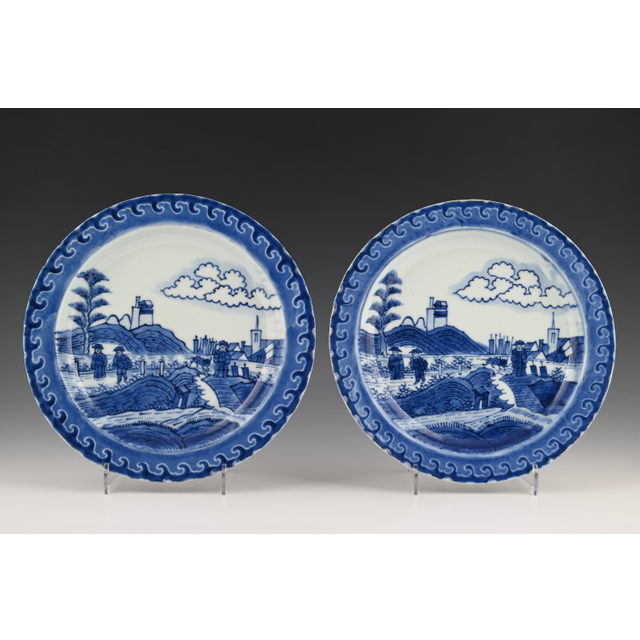
€ 6000 $ 6729 £ 5042 ¥ 1064040 DKK 44848 CHF 5542 NOK 63147 CA$ 9455 HK$ 52814
€ 1250 $ 1402 £ 1050 ¥ 221675 DKK 9343 CHF 1155 NOK 13156 CA$ 1970 HK$ 11003
Related content