German Baroque lacquer writing cabinet
Price on request Price on request Price on request Price on request Price on request Price on request Price on request Price on request Price on request
Ships from The Netherlands
Price on request Price on request Price on request Price on request Price on request Price on request Price on request Price on request Price on request
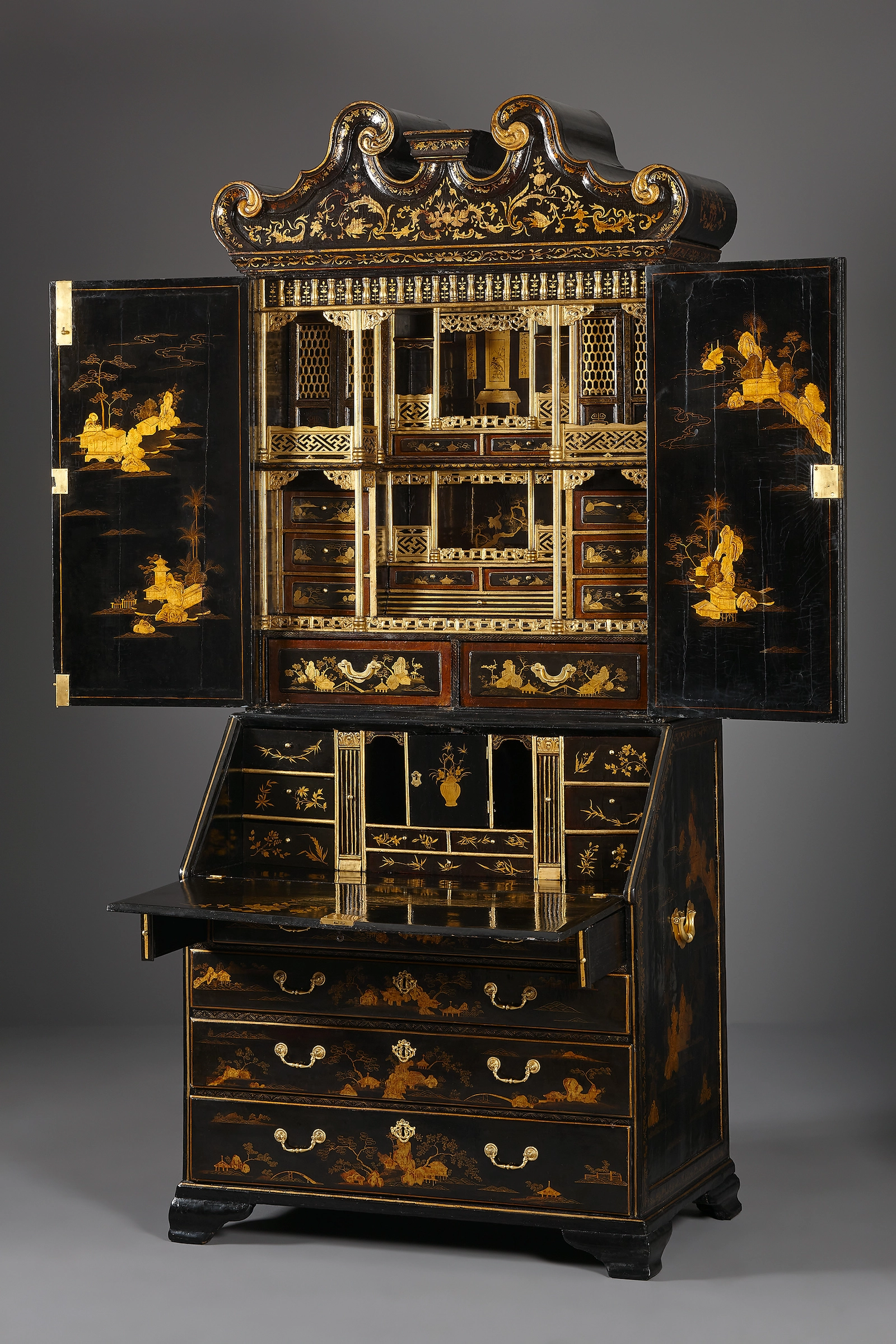
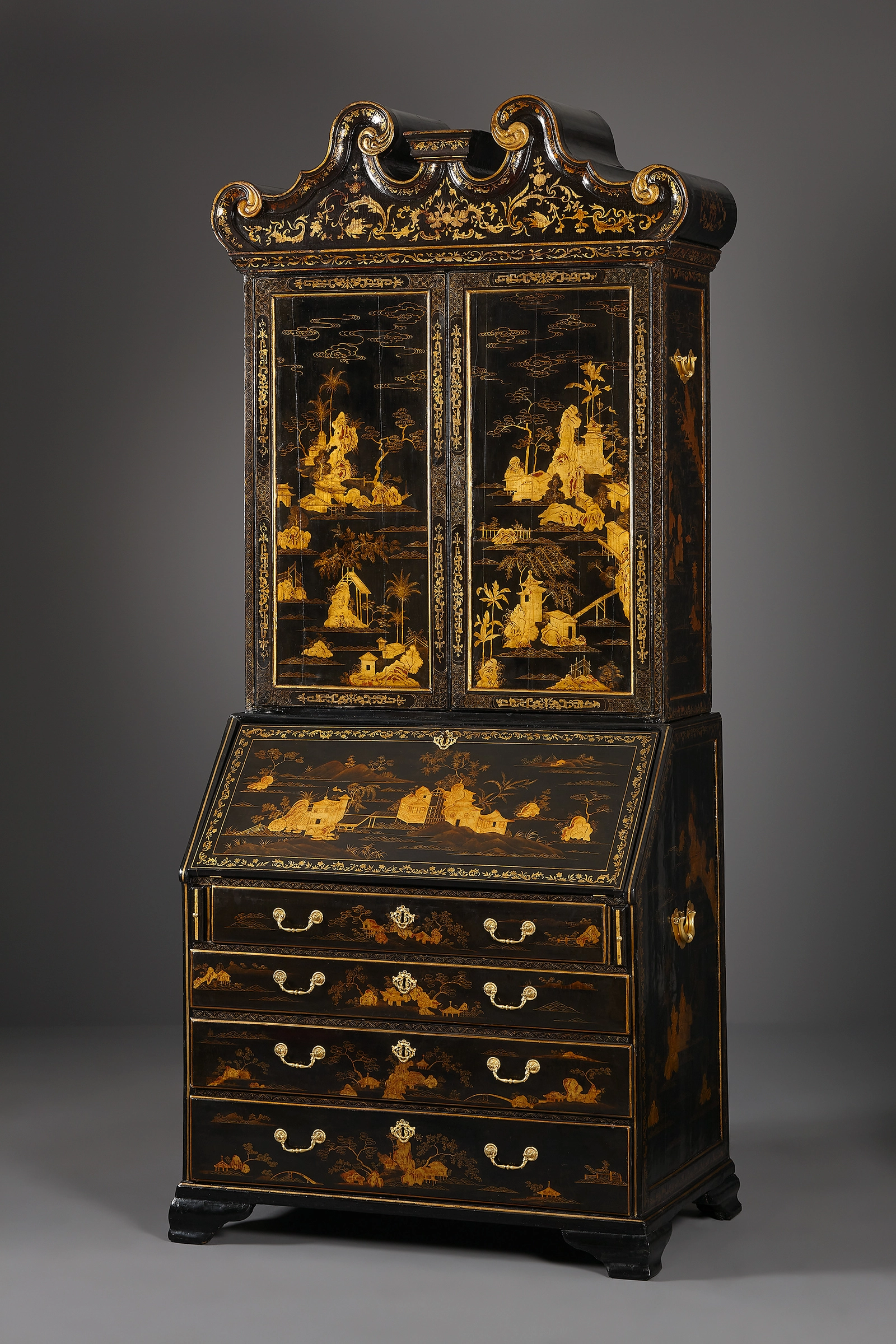
A Chinese lacquerwork bureau with upper cabinet section, evidently modelled after an English bureau cabinet with identical shape and dimensions dating from approximately 1735-1745. The bureau stands upon a rectangular base, with four lightly curved feet, and incorporates four wide drawers. Above this is the slanted lid, which folds down to form a writing surface, thereby also granting access to the interior, which features recessed drawers and compartments. The upper section takes the form of a straight cabinet with two doors, behind which is a motley interior of multifarious doors, compartments, slides and grilles that visually reference Chinese architecture. The crown is a Chinese interpretation of the English swan neck pediment.
The bureau cabinet is beautifully lacquered in gold and cinnabar upon a black lacquered background. All fields are decorated with river landscapes featuring houses, pavilions and trees along the rocky banks, with hills in the backgrounds. The front of the pediment is embellished with a fine decor of flowers and leaves. The grand rock formations feature relief details, lending the scenes a dramatic feel and increasing their visual complexity. All of the large fields are bordered by bands of playful floral motifs, interspersed with fine lacework.
An interesting aspect of this bureau cabinet is the use of stylistic motifs that were directly borrowed from Japanese lacquerwork decorations, such as the lacework in the frames around the bottom drawers and the floating gold floral patterns. Considering the many Japanese examples with these features, the question arises whether this item was not only modelled after an English example, but also intended to come across as Japanese.
The earliest well-documented cases of Chinese export furniture appear to be a group that was exported to Denmark in 1735, 1737 and 1738 by captain Guillaume de Brouwer of the ship Sleswig. These items were specially ordered by the Danish East India Company for sale to King Christian IV. The order comprised a writing table, lacquered chairs and a pair of lacquered Schrif Contors (writing cabinets), which are now located in Castle Fredensborg. The latter items share similarities with a bureau cabinet auctioned at Sotheby’s in 2020, which was based on the classic model of the English bureau cabinet that became popular on the mainland, especially in Germany, Scandinavia and Northern Italy. Interesting to note, though, is that the lower sections of the Schrif Contors do not feature undulating facades, but are instead mildly bombé. This shape was less common in England, and more typical of German and Danish versions of the bureau cabinet. This indicates that the furniture-makers in Canton followed the instructions of their Western customers to the letter, and were able to adapt to subtle national variations in European furniture design. Other comparable examples include a bureau cabinet sold by Sotheby's New York, 26 October 2012, lot 241; this item was previously sold by Christie's New York, Le Goût Steinitz, 19 October 2007, lot 30; a bureau cabinet from the collection of Thyssen-Bornemisza, sold by Christie's London, 14 December 2000, lot 340; and a specimen almost identical to the Steinitz cabinet, previously in the possession of Mallett, London, illustrated by L. Synge, Mallett Millennium (London 1999), p. 133.
Lacquered objects have a very long history in the Far East. Of particular fame are the lacquered bowls from the tombs of the early Han Dynasty in China (206 BC - 221 AD), but lacquer was also used outside China on wood, cane, bamboo, leather and even metal.
Lacquer is made from the sap of the lacquer tree (Rhus vernicifera or verniciflua, a variety of sumac), which originated in China and Japan, but has since spread throughout the sub-tropical regions of Asia. The sap is tapped from cuts in the bark, then filtered and thickened by allowing the excess water to evaporate. The remaining liquid is mixed with pigments and applied in thin layers that are subsequently dried. Lacquer protects against moisture, mould and nearly all chemicals, but the lacquer itself is inert. Thanks to this last quality, lacquer lends itself to all manner of applications, including the storage of food and drink.
The lacquer tree was unknown in Europe, and the West did not learn about it until the Portuguese began to trade with Asia in the fifteenth century. The Portuguese marvelled over lacquerwork, which the Japanese had developed into a highly refined and high-quality craft. From the mid-fifteenth century onwards, the Portuguese not only purchased and traded Japanese lacquerwork objects, but also had items produced in Japan based on Western models and specifications. Decorated with gold on a black background and inlaid with mother-of-pearl, these objects were known as Namban, lacquerwork made for “Western outsiders”.
When the Dutch East India Company (the VOC) entered onto the Asian stage shortly after the year 1600, they rapidly established themselves as competitors of the Portuguese. Trade posts were set up throughout Asia, including in Japan. Namban lacquerwork was among the VOC’s trade goods, although it initially found little purchase in the Netherlands. However, somewhere around 1630, a more Japanese style of decoration began to be used, leaving out the mother-of-pearl in favour of gold lacquer depictions of landscapes, animals, figures and Japanese architecture, and Western interest grew in response. The Dutch made excellent profits auctioning these exotic Japanese lacquerwork objects in Amsterdam and Zeeland: not only was Japanese lacquerwork considered to be the highest in quality, but the Dutch were also the only Westerners permitted to trade with Japan, from the artificial island of Deshima in Nagasaki Bay. In addition to exclusive lacquered boxes, plates and bowls with Japanese shapes and decorations, the VOC also commissioned lacquered objects with Western decorations and designs from the lacquerworkers of Nagasaki and Kyoto, such as rectangular cabinets with drawers behind the doors, chests with domed lids, flat-topped boxes and even tables and chairs. As the seventeenth century drew to a close, this trade gradually petered out – not because the Western appetite for lacquered objects ran out, but because the large, luxurious objects simply grew too expensive, causing profits to evaporate. After approximately 1700, the VOC ceased ordering large cabinets (the most popular items of furniture), and independent merchants could rarely afford to purchase these out of their own pocket. The VOC gave up on the lacquer trade, and the public’s desires shifted to smaller lacquered objects – mainly boxes, plates, bowls, pipe cases and cutlery caskets. By the early eighteenth century, the trade in Japanese lacquer had lost its value.
It was at this point that China made its entrance. The fashion of tea drinking had developed rapidly during the late seventeenth century, and tremendous quantities of dried tea leaves were required to meet the surging demand. At the time tea only grew in China, and so the Europeans turned to the Celestial Empire to buy fresh black and green tea in Canton (now Guangzhou), the primary southern trade centre on the Pearl River in Guangdong province.
The French and English set up organised, regular trade with China after 1700; the VOC followed suit in 1728. Other than tea, the traders also purchased silk, silk clothing, porcelain and all manner of curiosities that would have been termed Chinese export art today. These included ivory objects, fans, soapstone statuettes, dolls and – in the second half of the century – paintings and gouaches. Also in demand was lacquerware. The lion’s share of these objects was purchased as souvenirs or for private trade; European trade companies barely bothered with them. Chinese lacquerwork often took the form of small objects like shaving basins, sewing boxes, tea boxes, serving trays, bowls, mirror frames, and so forth. Large lacquered objects for export, such as big cabinets with glass doors and drawers, tables, chairs, chests and writing desks were much rarer, and were often purchased privately. As such, the items ordered by the captains of the Danish East India Company (Dansk Østindisk Kompagni) in the 1830s were well documented and survive to this day in the Royal Palace in Copenhagen. Towards the end of the eighteenth century, Americans trading with Canton purchased a variety of lacquered furniture pieces, a number of which were documented, among them several objects in the collection of the Peabody Essex Museum in Salem (Mass., USA).
Literature:
T. Clemmensen, 'Some Furniture Made in China in the English Style, Exported from Canton to Denmark, 1735, 1737 and 1738', Furniture History XXI, 1985, p. 174-180
Carl L. Crossman, The Decorative Arts of the China Trade. Paintings, Furnishings and Exotic Curiosities, Woodbridge 1991
O.R. Impey & Christiaan Jörg, Japanese Export Lacquer 1580-1850, Amsterdam 2005
Treasures of Imperial China. The Forbidden City and the Danish Court, exhibition catalogue Christiansborg Palace, Copenhagen 2006
German Baroque lacquer writing cabinet
Price on request Price on request Price on request Price on request Price on request Price on request Price on request Price on request Price on request
Price on request Price on request Price on request Price on request Price on request Price on request Price on request Price on request Price on request
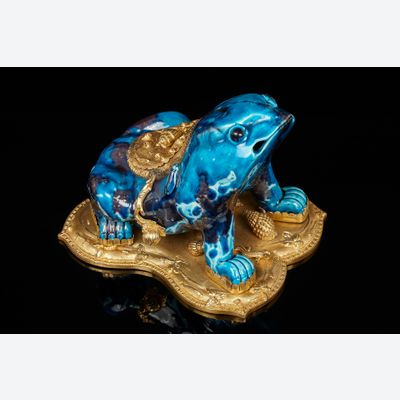
French mounted Régence inkwell in the shape of a Chinese porcelain toad
Price on request Price on request Price on request Price on request Price on request Price on request Price on request Price on request Price on request
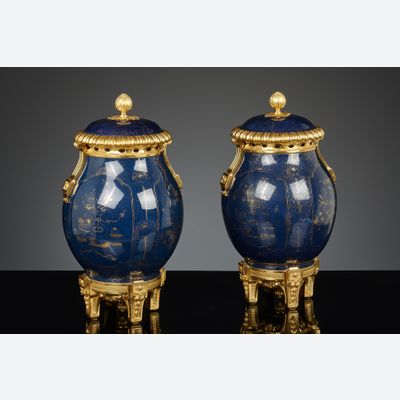
Pair of French Louis XVI mounted potpourri pots
Price on request Price on request Price on request Price on request Price on request Price on request Price on request Price on request Price on request
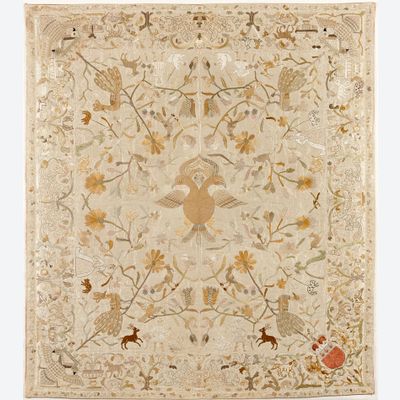
Chinese embroidered silk bedspread
Price on request Price on request Price on request Price on request Price on request Price on request Price on request Price on request Price on request
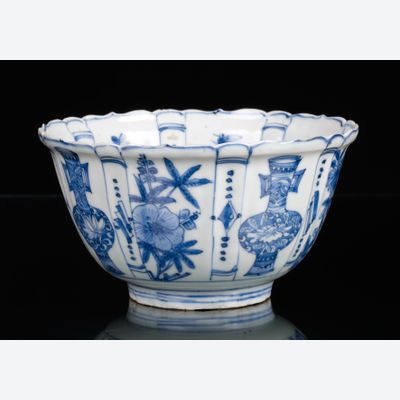
Chinese porcelain Wanli Kraak bowl
Price on request Price on request Price on request Price on request Price on request Price on request Price on request Price on request Price on request
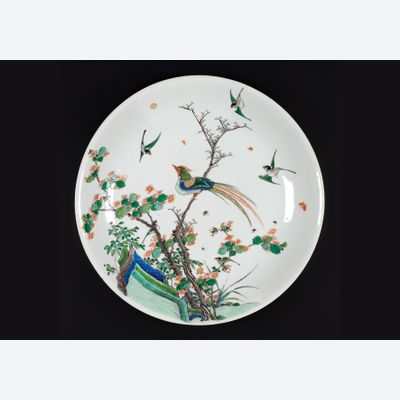
Chinese Famille Verte Kangxi Plate
Price on request Price on request Price on request Price on request Price on request Price on request Price on request Price on request Price on request
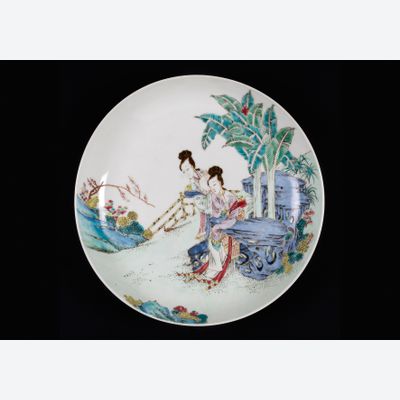
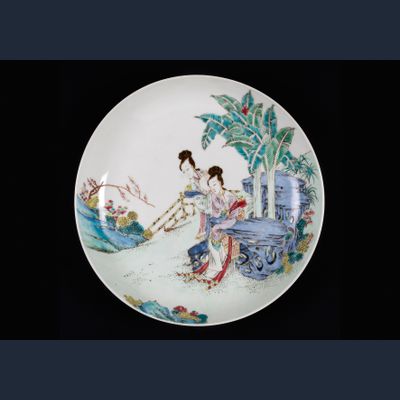
Chinese Famille Rose Plate, Yongzheng
Price on request Price on request Price on request Price on request Price on request Price on request Price on request Price on request Price on request
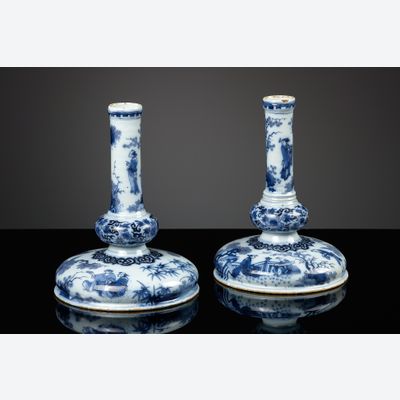
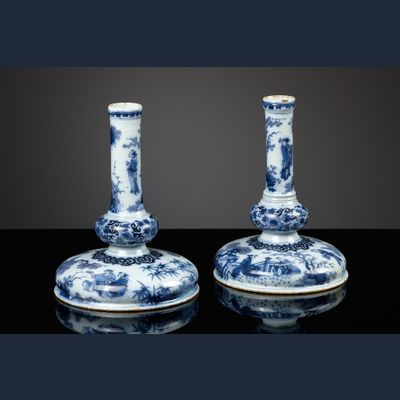
Pair of Delftware table candlesticks, ca. 1678-1686
Price on request Price on request Price on request Price on request Price on request Price on request Price on request Price on request Price on request
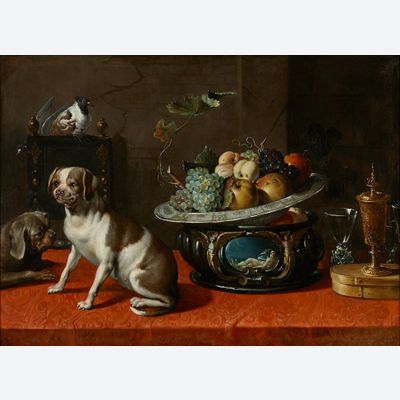
Price on request Price on request Price on request Price on request Price on request Price on request Price on request Price on request Price on request
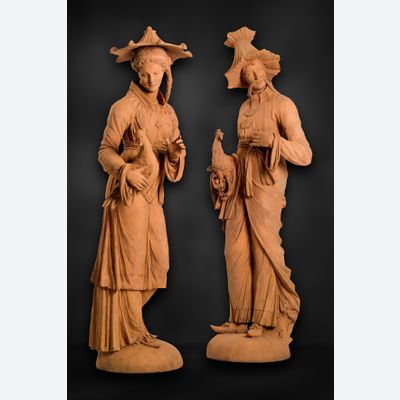
Pair of German Chinoiserie Terracotta Sculptures Representing Two Malabars
Price on request Price on request Price on request Price on request Price on request Price on request Price on request Price on request Price on request
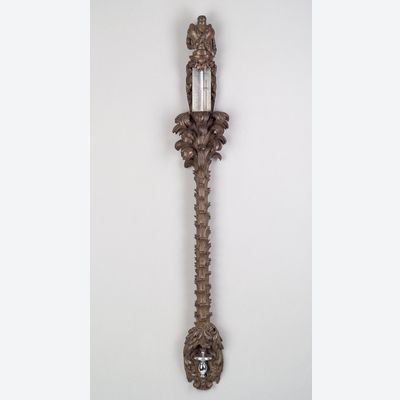
French Louis XVI Mercury Barometer In The Shape Of A Palmtree
Price on request Price on request Price on request Price on request Price on request Price on request Price on request Price on request Price on request
Price on request Price on request Price on request Price on request Price on request Price on request Price on request Price on request Price on request
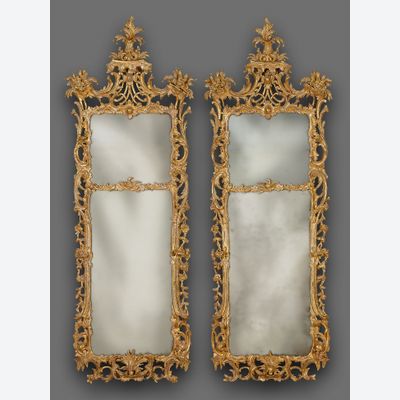
Pair of George II giltwood pier mirrors
Price on request Price on request Price on request Price on request Price on request Price on request Price on request Price on request Price on request
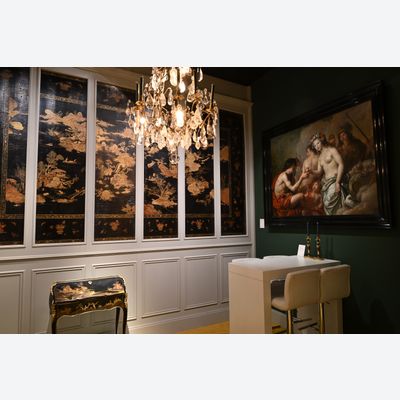
Japanese Six-fold Lacquered Screen
Price on request Price on request Price on request Price on request Price on request Price on request Price on request Price on request Price on request