Price on request Price on request Price on request Price on request Price on request Price on request Price on request Price on request Price on request
Ships from The Netherlands
Price on request Price on request Price on request Price on request Price on request Price on request Price on request Price on request Price on request
Movement
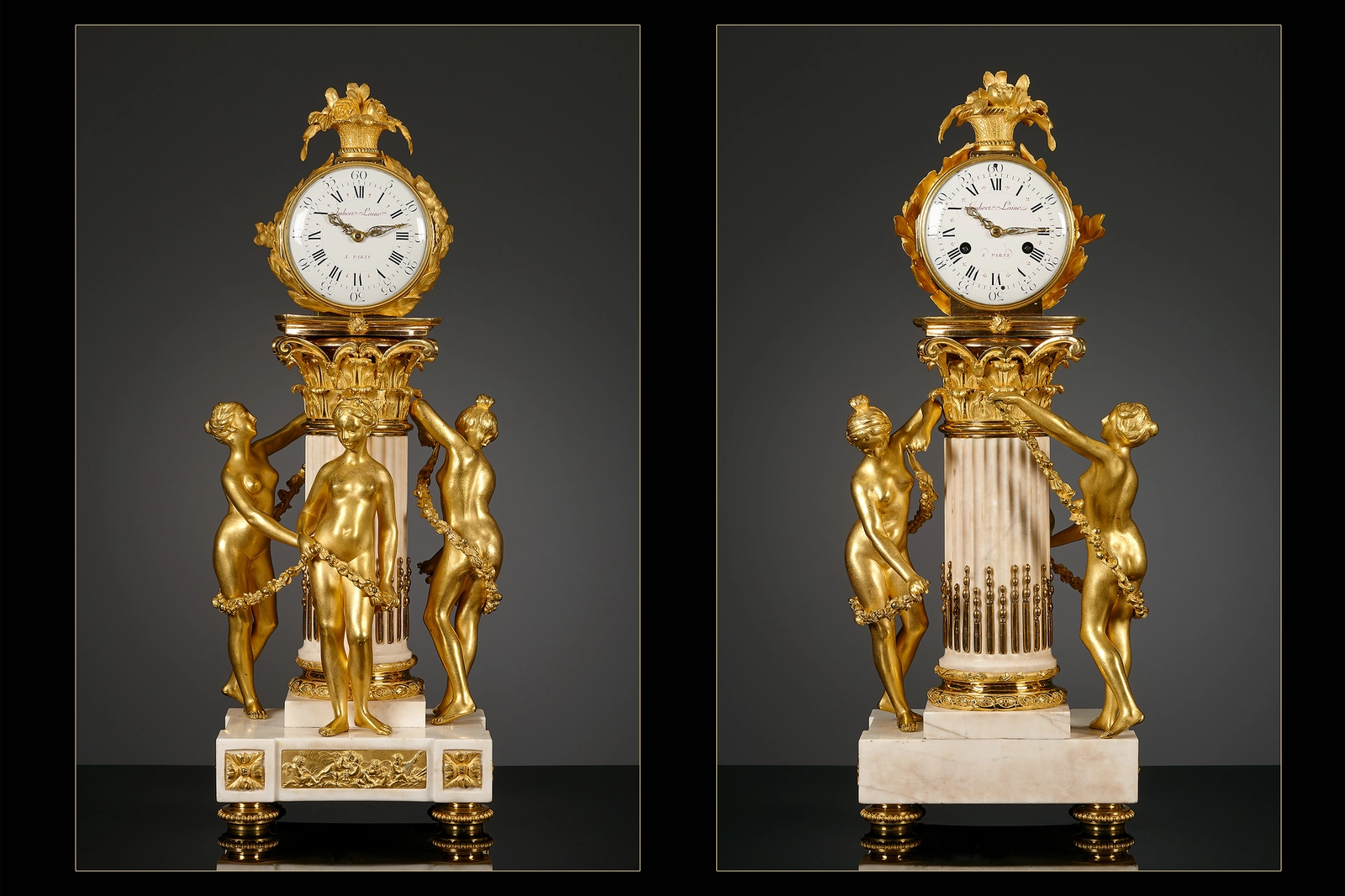
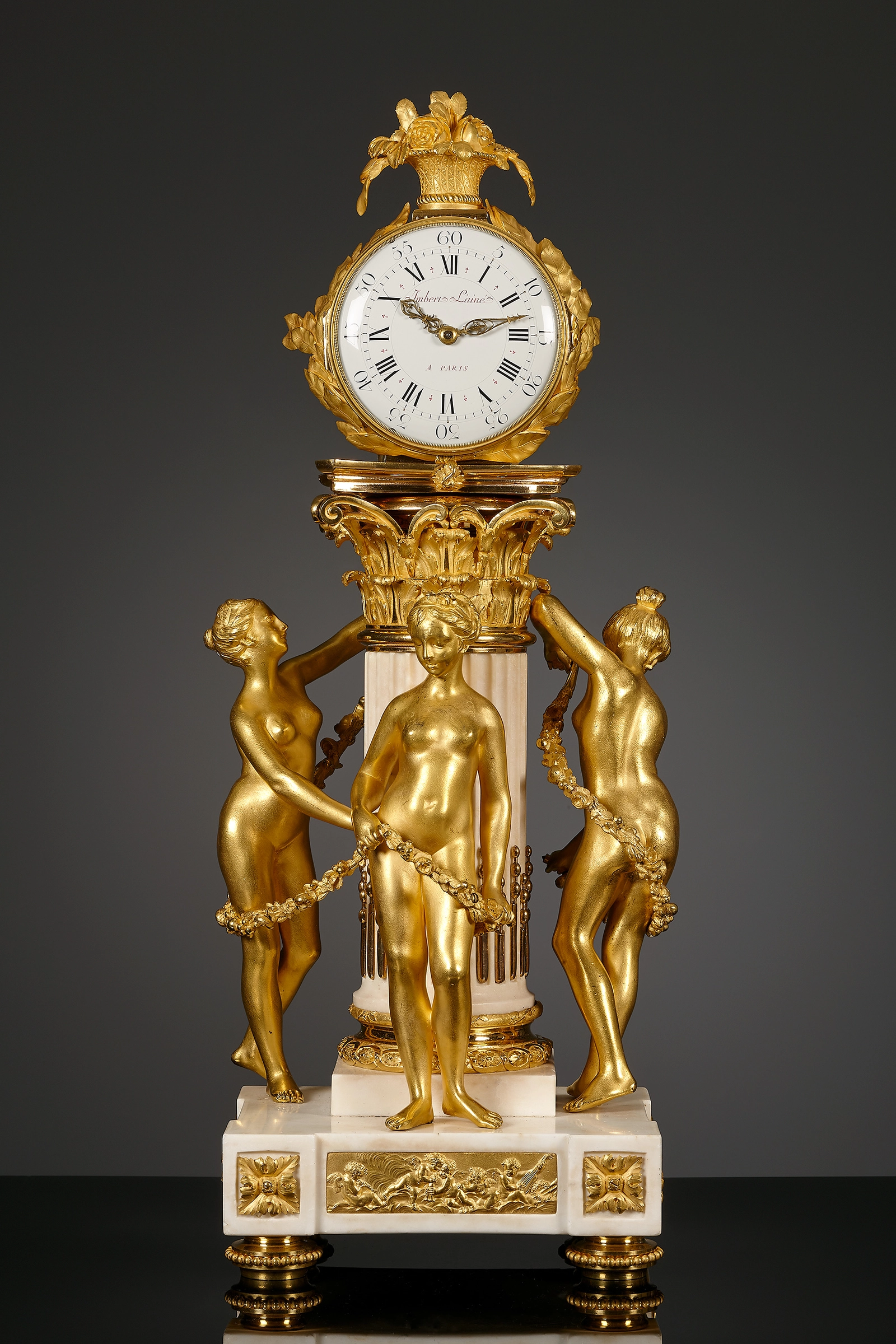
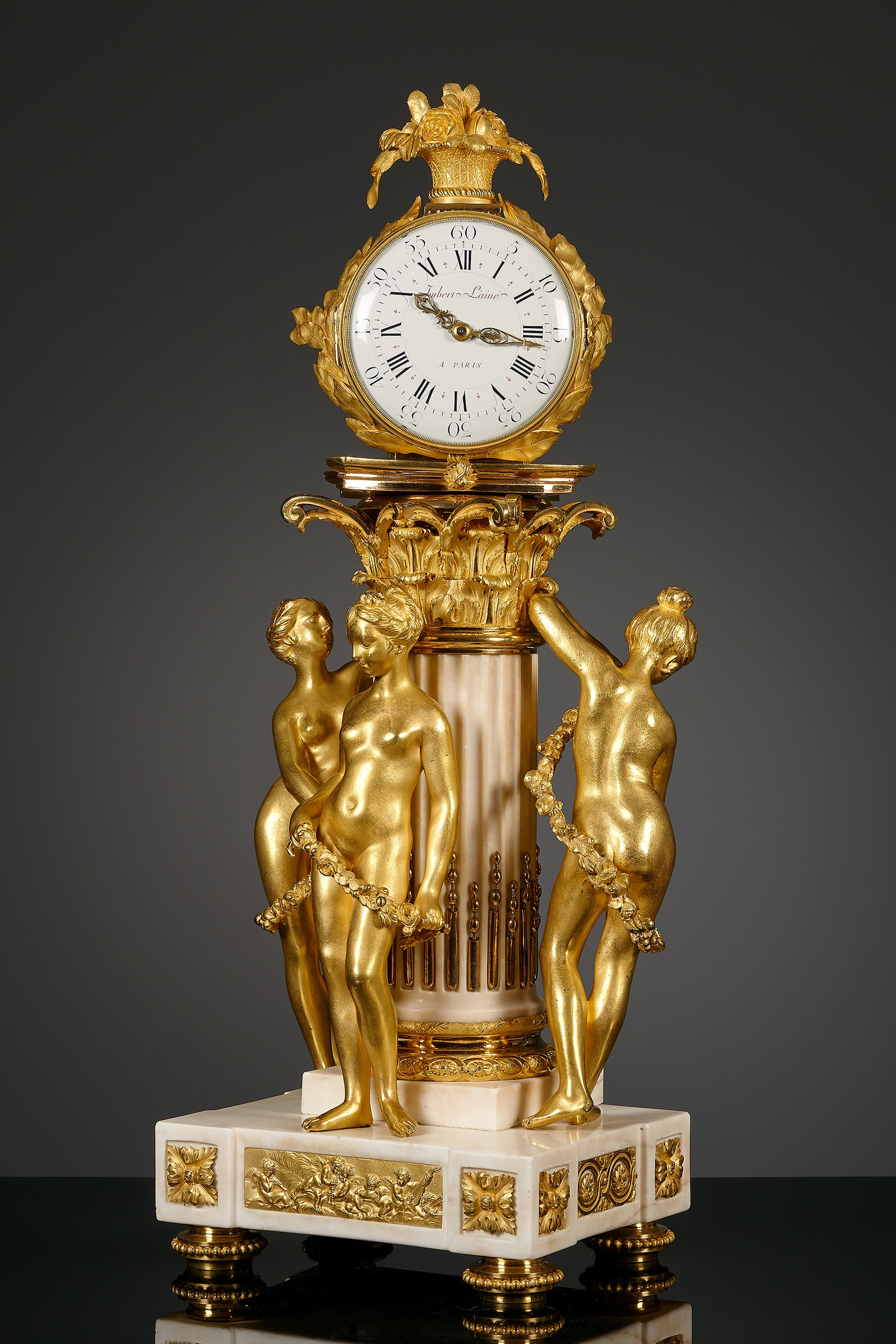
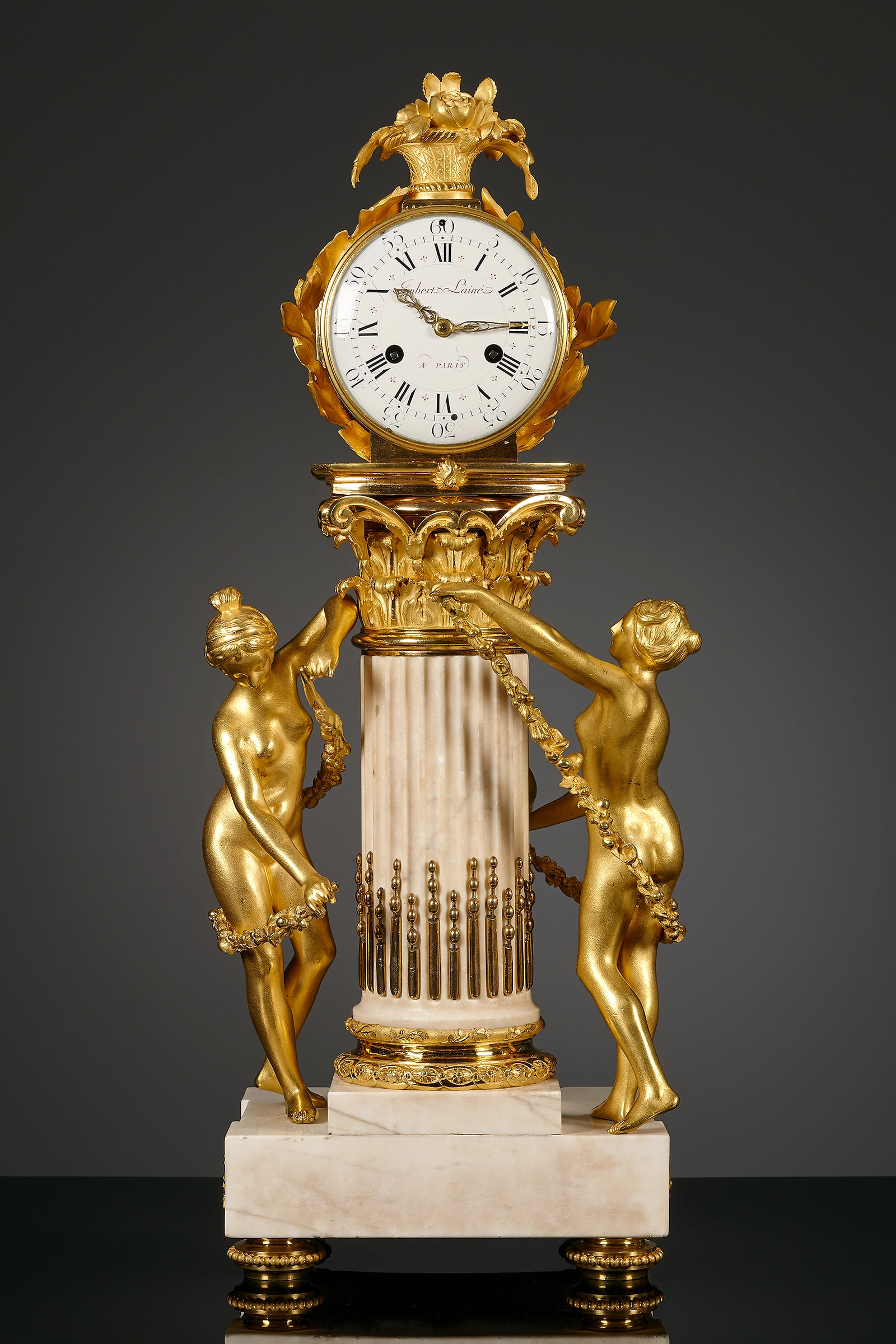
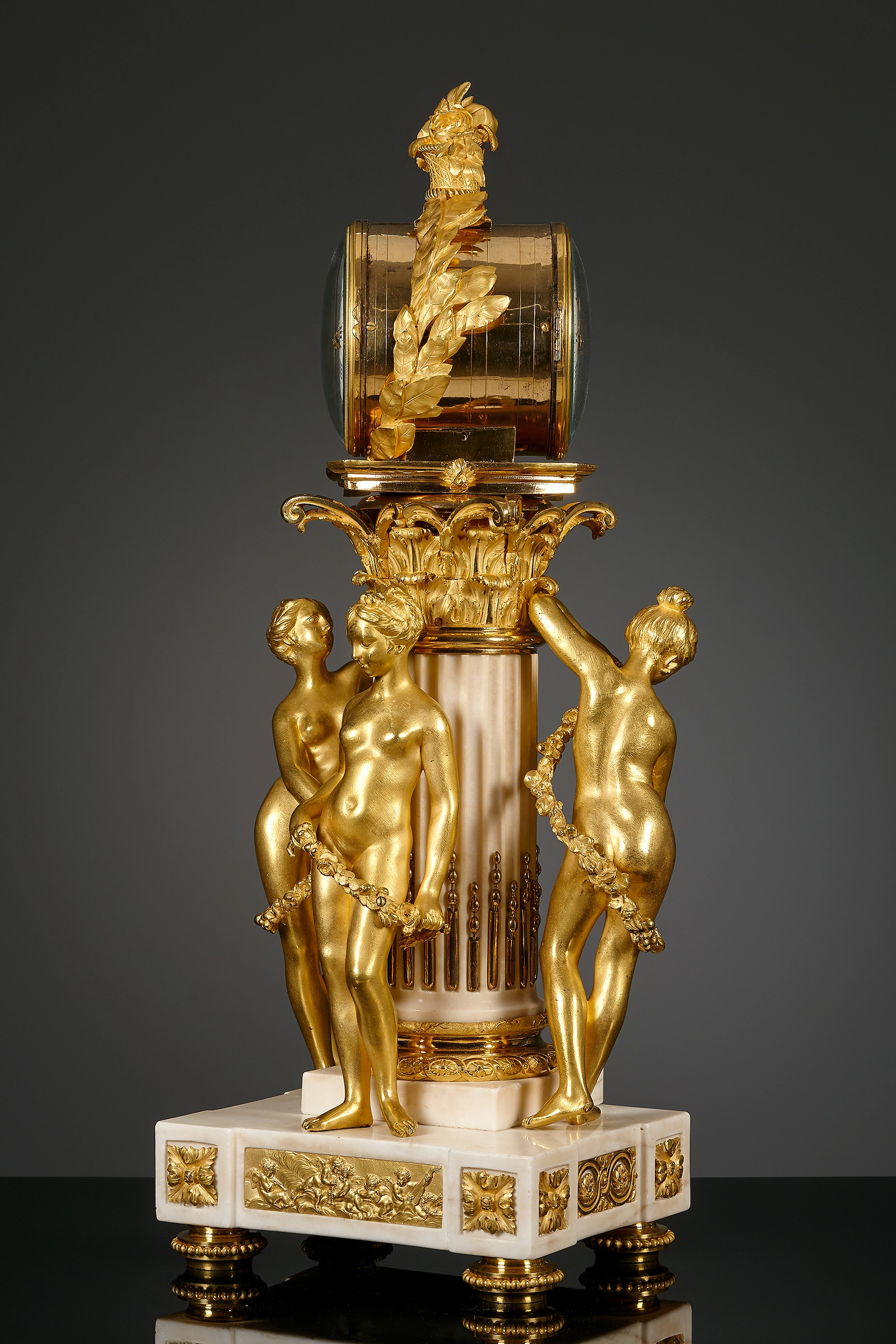
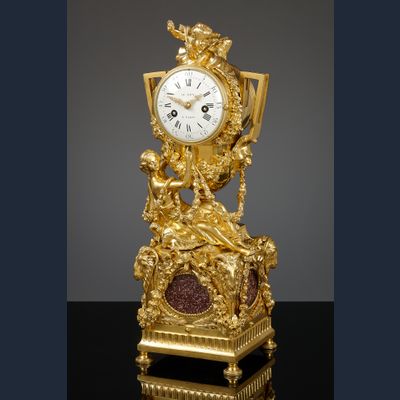
The two-week movement has an anchor escapement. The striking train sounds the hours and half hours on a single bell. A gear train and central arbor on the rear plate drive the clock hands on the rear side. The mainsprings are engraved with the date: Juin 1779. The flattened rear plate also bears the signature Imbert Lainé AParis. Roman numerals mark the hours; the minutes are indicated using Arabic numerals. Both enamel dials are signed Imbert Lainé A Paris in red.
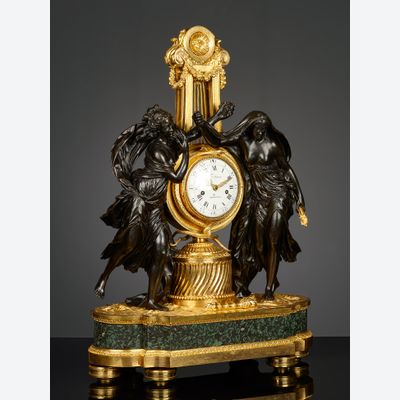
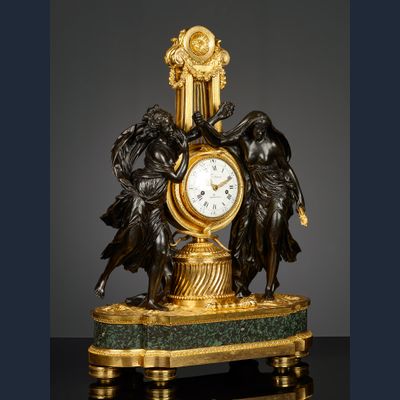
The design of this clock is based on a marble mantel clock by Etienne Maurice Falconet (1716-1791) from around 1770, which has been in the collection of the Louvre in Paris since 1911. Said marble pendule aux cercles tournants is a very similar model to the present item, with the Three Graces elegantly positioned around a column, the whole standing upon a rectangular base. However, one important difference is that the clock in the Louvre, as well as the many copies based on it, were all executed with so-called cercles tournants dials. The present mantel clock instead features a centrally mounted drum containing the movement, with clock faces showing the time on both sides of the drum. In other words, this is a clock à double face, and double-faced clocks are exceedingly rare.
Etienne-Maurice Falconet
Falconet was originally a carpenter’s apprentice, until sculptor Jean-Baptiste Lemoyne saw some of his clay figures and invited the boy to apprentice under him. He gained admission to the Académie des Beaux-Arts in 1754 with a statue of Milo of Croton, and became one of the first sculptors in the rococo style.
His works gained the attention of the wider public at the Paris Salon of 1755. Madame de Pompadour saw his design for L’Amour menaçant, and requested that he execute the statue in marble. Falconet completed the statue in 1757 and exhibited it at the salon. Multiple copies of the statue were made; the original now stands in Amsterdam’s Rijksmuseum.
Thanks among others to the influence of Madame de Pompadour, Falconet became the workshop director at the Manufacture Nationale de Sèvres, a porcelain factory in Sèvres, in 1757. Nine years later, in 1766, Catherine the Great invited him to Saint Petersburg, where he produced a statue of Peter the Great for her, known as the Bronze Horseman. Assisting him in the statue’s creation was his pupil and daughter-in-law Marie-Anne Collot. He returned to France in 1778, before the horseman statue had been completed, taking up the post of director of the Paris Academy. In addition to his various works, Falconet wrote several treatises on art.
Imbert l’Aîné
The movement was crafted by Jean-Gabriel Imbert, known as Imbert l'Aîné, or Imbert the Elder (1735-1795). Specimens from his exceptional body of work are displayed today in the Musée de Carnavalet in Paris, the Patrimonio Nacional in Spain, the Residenzmuseum in Munich and the Palazzo Reale in Turin. Born in Devalon, Burgundy, he moved to Paris to work as a journeyman under his brother Jean-Charles Olin. He originally practiced his craft as an ouvrier-libre until he was admitted as a master in 1776. As evidence of his reputation, he was appointed deputy of his guild in 1780. Although he was declared bankrupt four years later, this did not stop him from continuing his business. His younger brother, Jean-Edme (1741-1808)—known as Imbert le Jeune, i.e. Imbert the Younger—worked with him for many years at his various addresses, though he never attained the rank of master. In 1767, Imbert the Elder was established at the Carrefour de la Roquette; in 1781, on Rue Planche-Mibray; three years later, on Rue des Arcis; and at the time of his death in June 1795, on Rue de Monceau.
As one of the best in the business, he purchased from the best suppliers. These included Richard and Gaspard Monginot, who produced mainsprings for him, while his dials were generally crafted by Georges-Adrien Merlet, Elie Barbezat or Bezelle. He ordered his cases from various Parisian fondeurs, particularly Robert and Jean-Baptiste Osmond, Nicolas Bonnet, Michel Poisson, Jean Goyer, René-François Morlay, Léonard Mary and François Vion. He also occasionally had them gilded by Le Cat and H. Martin. Due to their superior quality, Imber the Elder’s clocks were purchased by the most affluent members of society, such as the marquis of Brunoy and the duke of Deux-Ponts.
Edgar Brandt
Edgar William Brandt (1880 –1960) was a French ironworker and prolific designer of weaponry. He opened a small workshop in 1901, on Rue Michel-Ange in the sixteenth arondissement of Paris, where he designed, silversmithed and forged small objects such as jewellery, crosses and brooches. His company flourished when he started to receive special commissions, such as a door for the French embassy in Brussels, the Escalier Mollien stairs in the Louvre and the railing for the stairs and balcony of the Grand Theatre Municipal in Nancy. Brandt was called to service at the outbreak of World War I in 1914. His career reached its zenith in the 1920s: stylish entrances for Parisian shops and lighting systems formed an important part of his business, and with the introduction of radiators in homes, he garnered fame by designing elegantly designed covers for them instead of simply concealing them. He continued to produce diverse works throughout his career, ranging from iron fences and fire grates to console tables. His business, which employed more than 3000 people, was nationalised in 1936. A few years later, Brandt was forced to flee to Switzerland with his family due to the outbreak of World War II. He returned to France after the end of the war in 1945, but decided not to reopen his workshop. Instead, he worked on small projects until his death in 1960.
The Three Graces
In Greek mythology, the Charities—also known as the Graces—are goddesses that personify beauty and grace. Hesiod names them Aglaea, Euphrosyne and Thalia, daughters of Zeus and Eurynome, whose father was Oceanus. Usually, the Graces are described as servants to various gods and goddesses, Aphrodite in particular. In Roman and later art, they are commonly depicted nude, in an intertwined group, but in Archaic and Classical Greece, they were mostly shown fully clothed, in a row, holding dance poses.
Located in Oirschot
The Netherlands
Price on request Price on request Price on request Price on request Price on request Price on request Price on request Price on request Price on request
Price on request Price on request Price on request Price on request Price on request Price on request Price on request Price on request Price on request
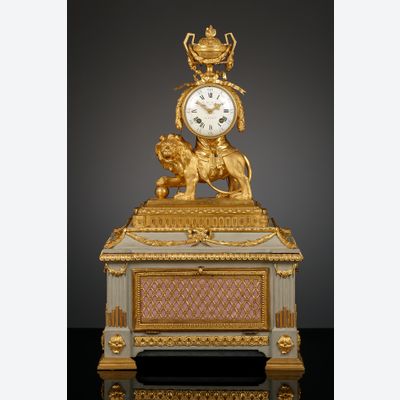
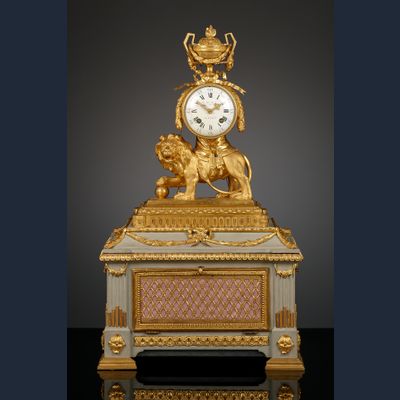
French Louis XVI lion mantel clock with musical box
Price on request Price on request Price on request Price on request Price on request Price on request Price on request Price on request Price on request
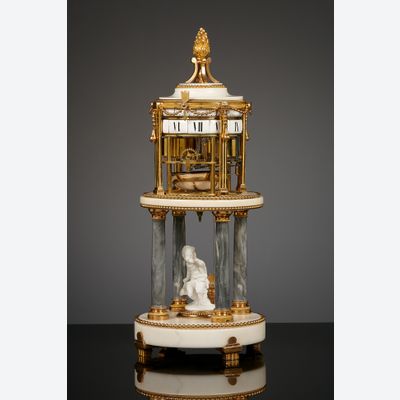
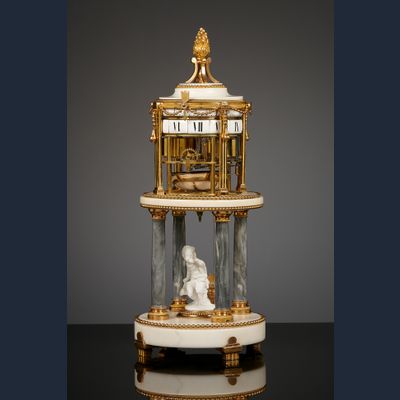
French Louis XVI cercles tournants mantel clock, Temple de l’amour
Price on request Price on request Price on request Price on request Price on request Price on request Price on request Price on request Price on request
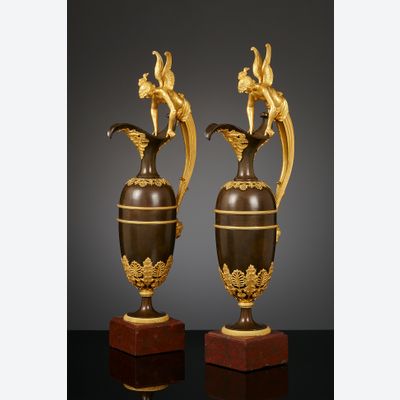
Pair of French Empire Ewers, attributed to Claude Galle
Price on request Price on request Price on request Price on request Price on request Price on request Price on request Price on request Price on request
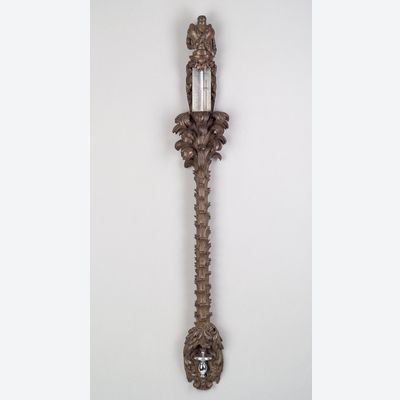
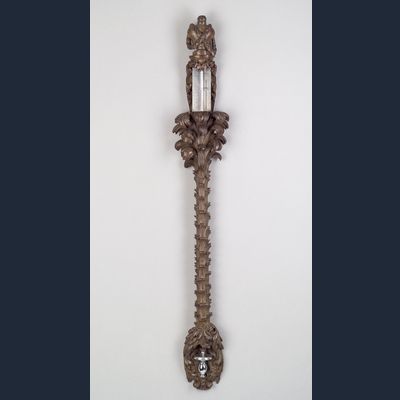
French Louis XVI Mercury Barometer In The Shape Of A Palmtree
Price on request Price on request Price on request Price on request Price on request Price on request Price on request Price on request Price on request
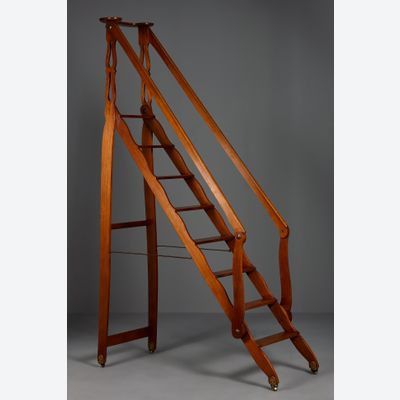
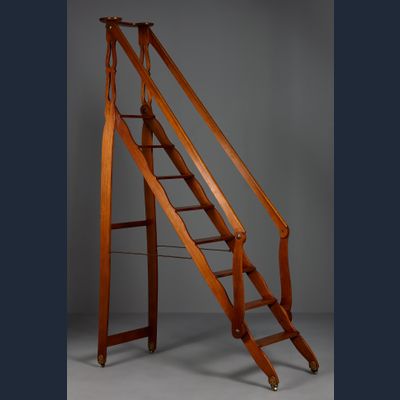
French Louis XVI Library Stairs
Price on request Price on request Price on request Price on request Price on request Price on request Price on request Price on request Price on request
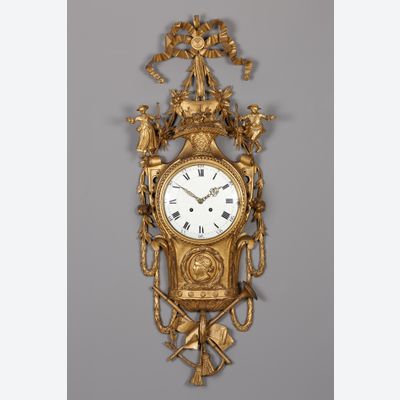
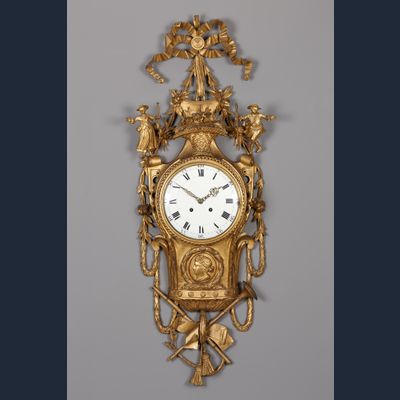
Large Dutch Louis XVI wooden cartel clock
Price on request Price on request Price on request Price on request Price on request Price on request Price on request Price on request Price on request
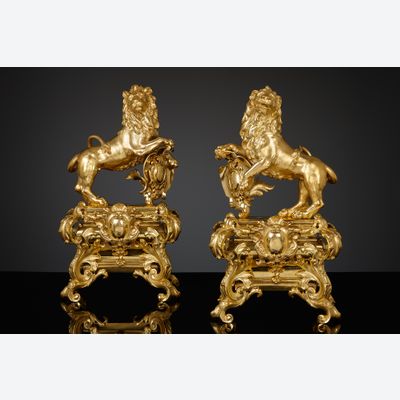
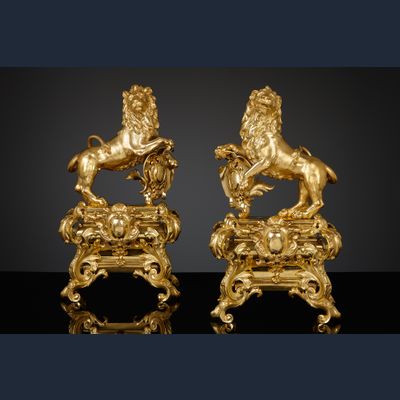
Pair of French Régence Chênets
Price on request Price on request Price on request Price on request Price on request Price on request Price on request Price on request Price on request


Price on request Price on request Price on request Price on request Price on request Price on request Price on request Price on request Price on request
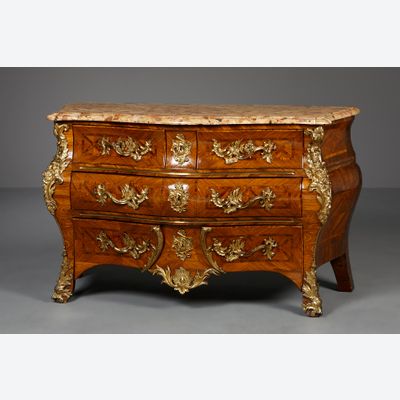
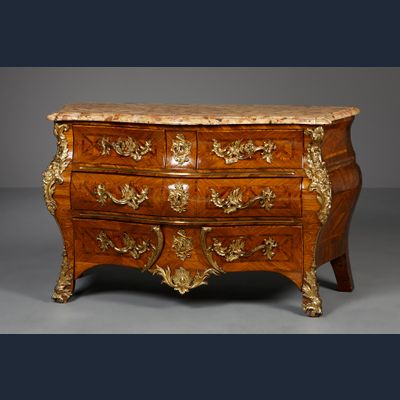
French Louis XV Commode en Tombeau
Price on request Price on request Price on request Price on request Price on request Price on request Price on request Price on request Price on request
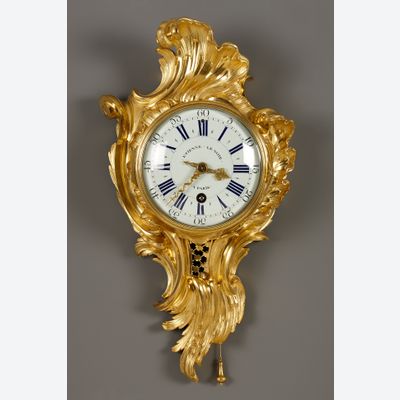
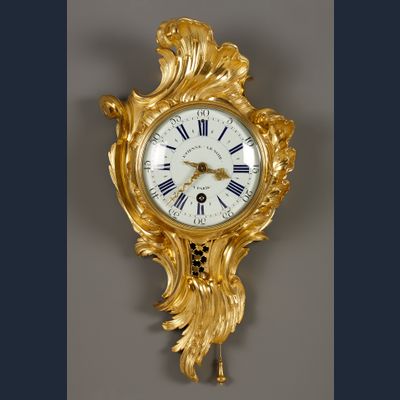
French Louis XV Cartel d’Alcove, Etienne Le Noir
Price on request Price on request Price on request Price on request Price on request Price on request Price on request Price on request Price on request
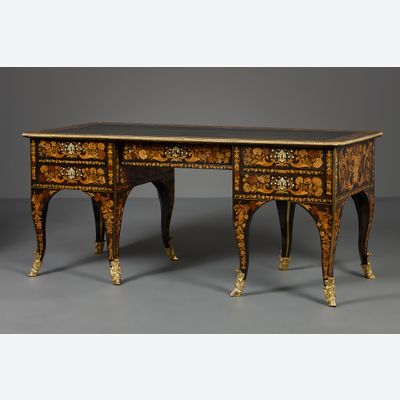
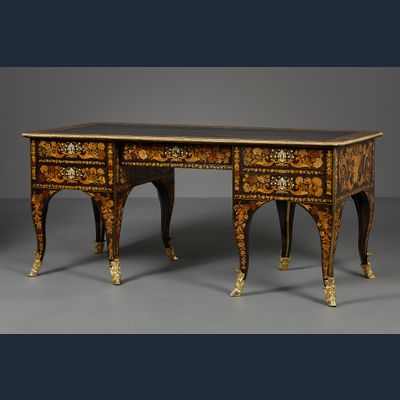
French Louis XIV bureau plat, attributed to Renaud Gaudron
Price on request Price on request Price on request Price on request Price on request Price on request Price on request Price on request Price on request
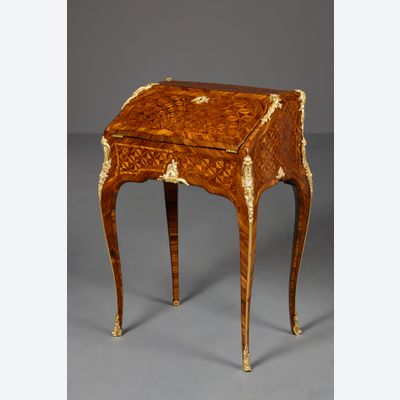
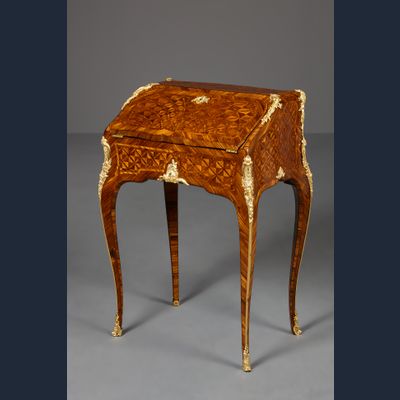
French Louis XV Secrétaire en Pente, Pierre Garnier
Price on request Price on request Price on request Price on request Price on request Price on request Price on request Price on request Price on request
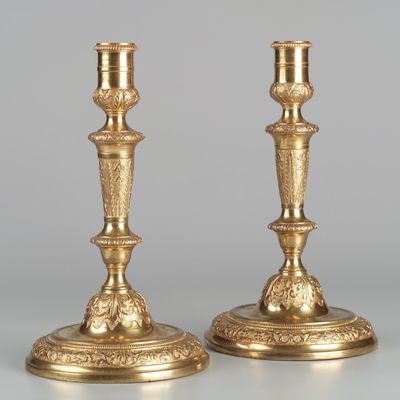
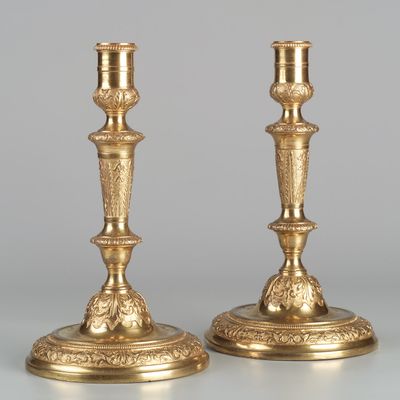
Pair Of French Gilt Bronze Régence Candlesticks
Price on request Price on request Price on request Price on request Price on request Price on request Price on request Price on request Price on request
Price on request Price on request Price on request Price on request Price on request Price on request Price on request Price on request Price on request
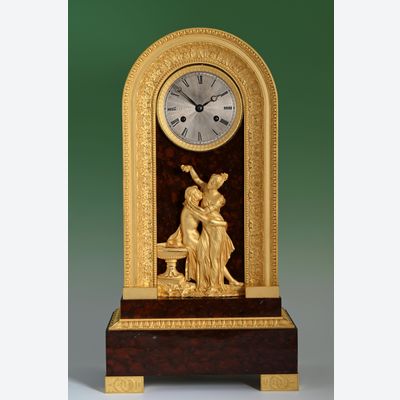
A French Empire ormolu pendule
€ 4750 $ 5491 £ 4118 ¥ 867208 DKK 35486 CHF 4296 NOK 53069 CA$ 7496 HK$ 42940
Price on request Price on request Price on request Price on request Price on request Price on request Price on request Price on request Price on request
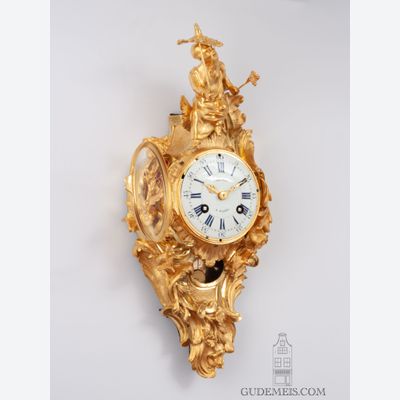
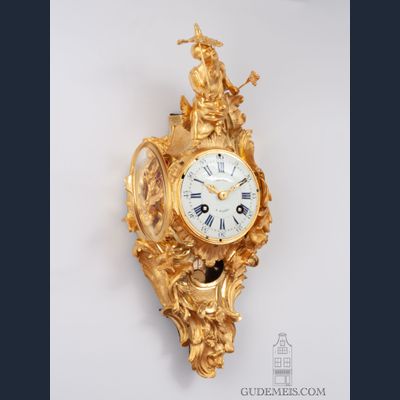
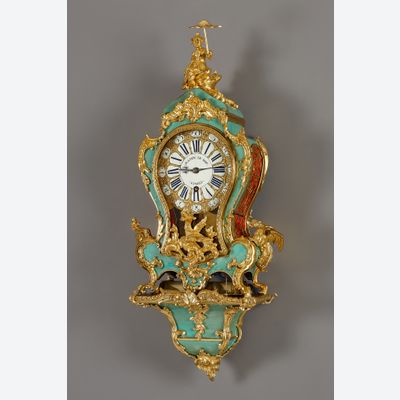
A fine French Louis XV ormolu cartel wall clock, Décle A Paris, 1754
€ 24000 $ 27746 £ 20806 ¥ 4381680 DKK 179299 CHF 21708 NOK 268140 CA$ 37877 HK$ 216960
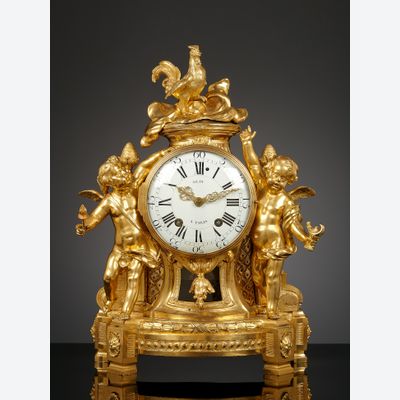
French Louis XVI lion mantel clock with musical box
Price on request Price on request Price on request Price on request Price on request Price on request Price on request Price on request Price on request
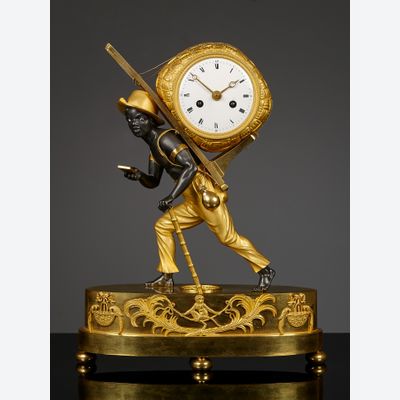
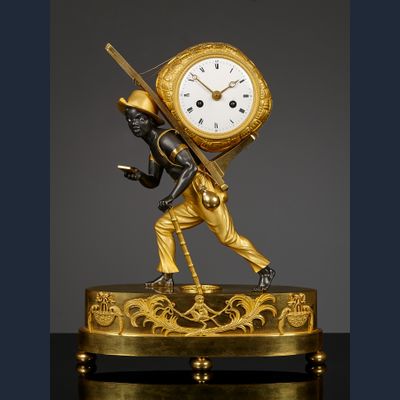
French Empire pendule, Le Portefaix
Price on request Price on request Price on request Price on request Price on request Price on request Price on request Price on request Price on request
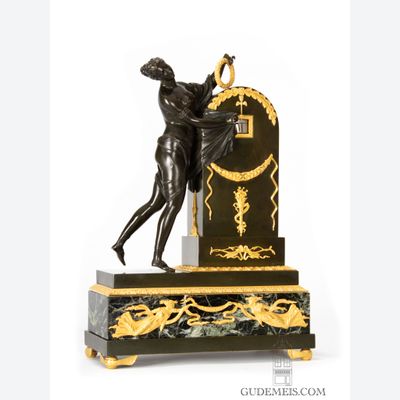
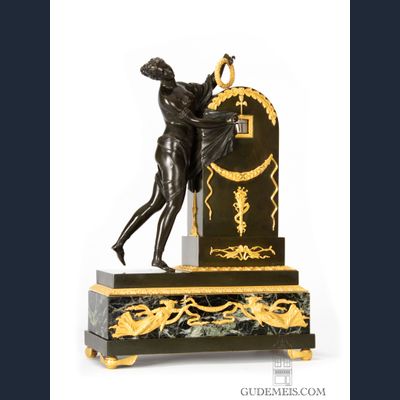
A fine French Empire mantel clock oubli du temps by Galle, circa 1810.
€ 21000 $ 24278 £ 18206 ¥ 3833970 DKK 156887 CHF 18994 NOK 234622 CA$ 33142 HK$ 189840
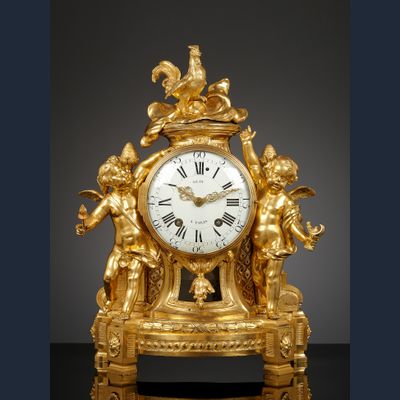
Price on request Price on request Price on request Price on request Price on request Price on request Price on request Price on request Price on request
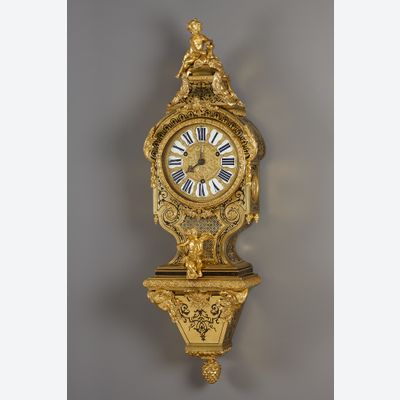
French Régence console clock, Masson
Price on request Price on request Price on request Price on request Price on request Price on request Price on request Price on request Price on request
Price on request Price on request Price on request Price on request Price on request Price on request Price on request Price on request Price on request
French Louis XVI cercles tournants mantel clock, Temple de l’amour
Price on request Price on request Price on request Price on request Price on request Price on request Price on request Price on request Price on request
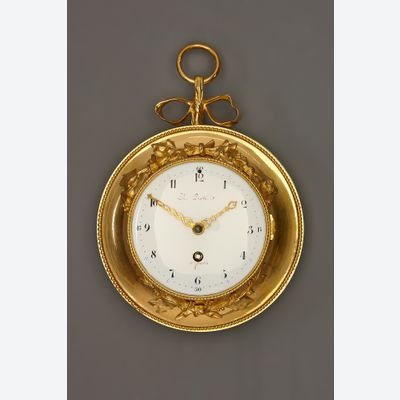
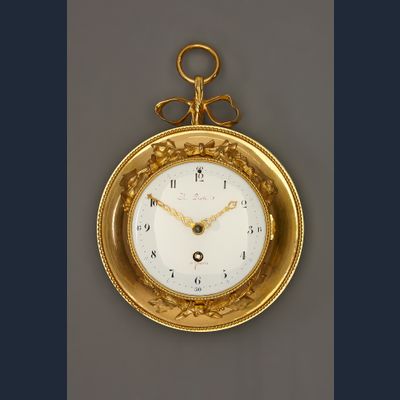
French Louis XVI oeil de boeuf cartel
Price on request Price on request Price on request Price on request Price on request Price on request Price on request Price on request Price on request
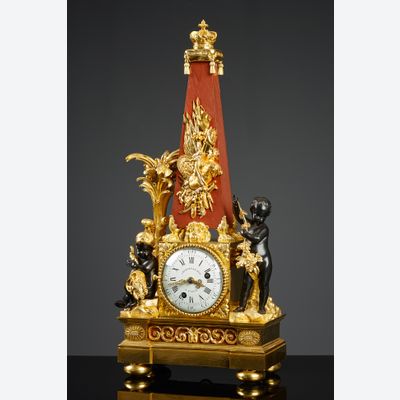
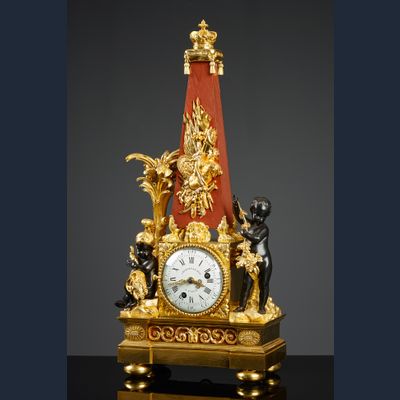
French Louis XVI pendule after a design by Vion
Price on request Price on request Price on request Price on request Price on request Price on request Price on request Price on request Price on request
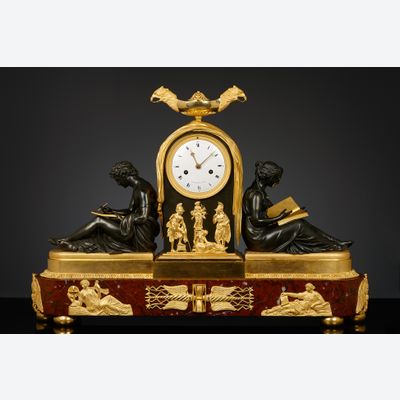
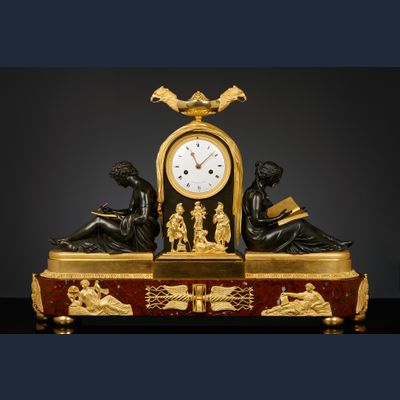
French Empire Mantel Clock, l'étude et le philosophie
Price on request Price on request Price on request Price on request Price on request Price on request Price on request Price on request Price on request
French Louis XV Cartel d’Alcove, Etienne Le Noir
Price on request Price on request Price on request Price on request Price on request Price on request Price on request Price on request Price on request